Archive: 2025/12
-

Tolerance Development to Medications: Why Some Side Effects Fade While Others Stick Around
Many medication side effects fade over time due to biological tolerance, but others persist. Learn why your body adapts to some effects but not others-and what it means for your treatment.
-
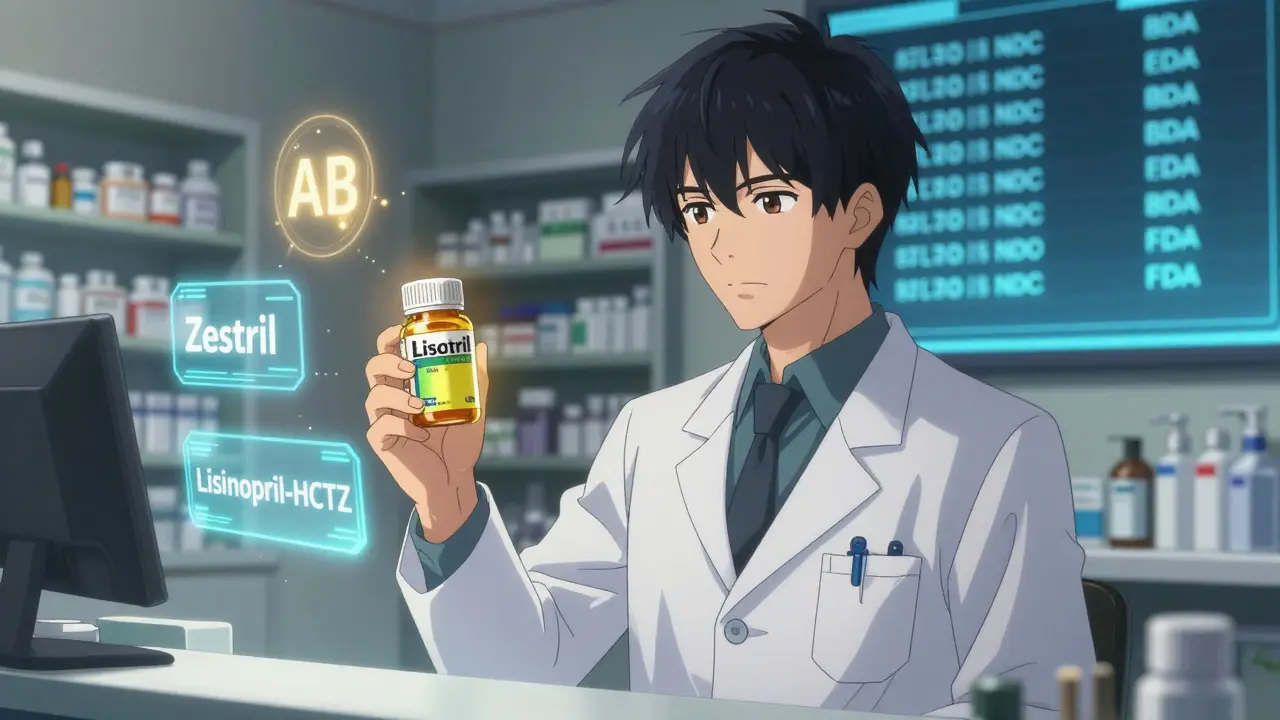
Generic vs Brand Identification in Pharmacy Systems: Best Practices for Accurate Medication Management
Learn how pharmacy systems correctly identify generic and brand drugs using NDC codes, TE ratings, and state laws. Best practices for safety, compliance, and patient trust in 2025.
-
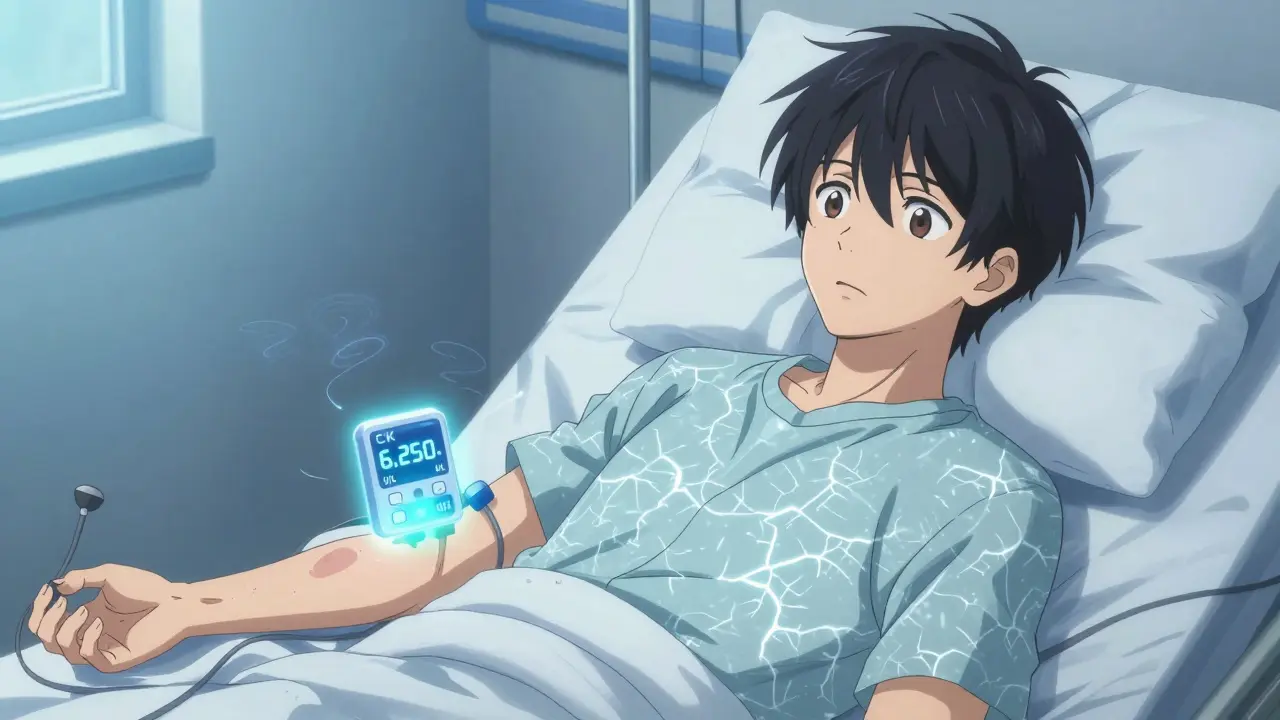
Daptomycin Muscle Toxicity: What You Need to Know About CK Monitoring and Symptoms
Daptomycin is a life-saving antibiotic for resistant infections, but it can cause muscle damage. Learn the symptoms of daptomycin muscle toxicity and why weekly CK monitoring is essential to avoid serious complications.
-
Why Generic Drugs Cost 80-85% Less Than Brand-Name Drugs
Generic drugs cost 80-85% less than brand-name drugs because they don't need to repeat expensive clinical trials. They contain the same active ingredients, work the same way, and are held to the same safety standards. The price difference comes from competition, not quality.
-
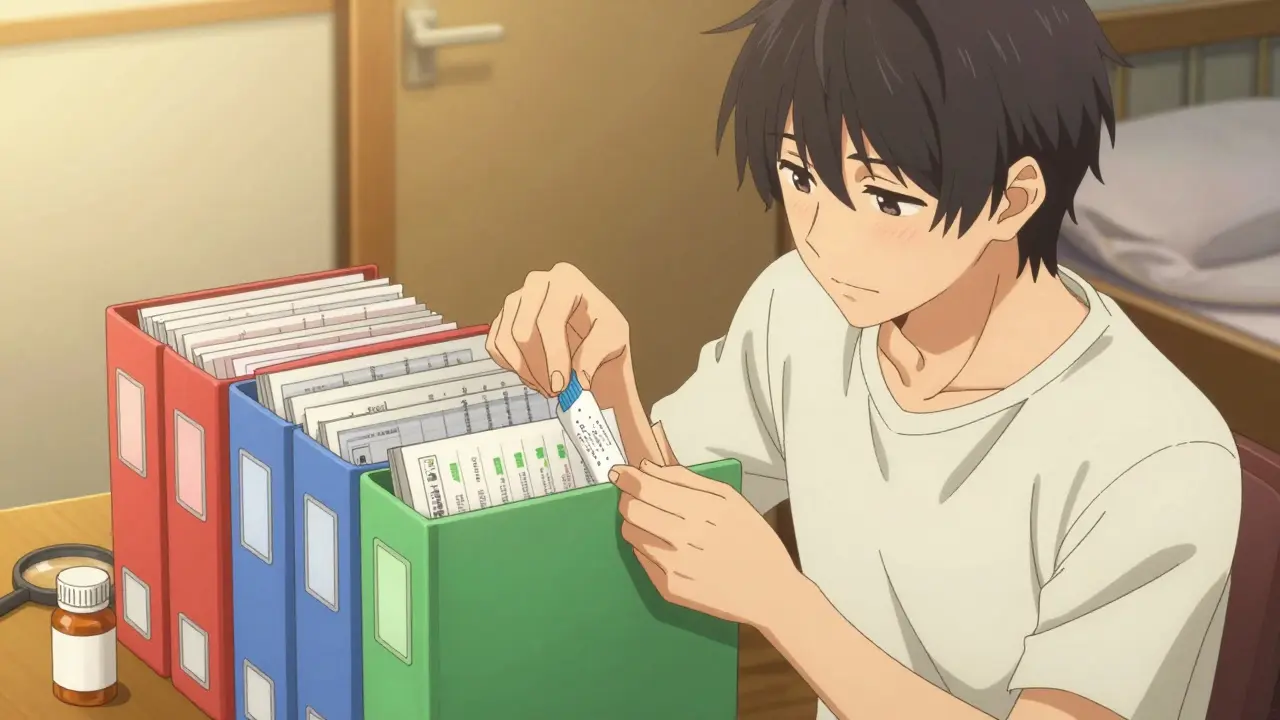
How to Store Prescription Labels and Leaflets for Future Reference
Learn how to safely store prescription labels and medication leaflets to prevent dangerous errors, avoid unnecessary tests, and help doctors give you better care. A simple system can save your life.
-

How to Prevent Diabetic Kidney Disease, Neuropathy, and Eye Damage
Learn how to prevent diabetic kidney disease, neuropathy, and eye damage through proven strategies like controlling blood sugar, blood pressure, and cholesterol, plus daily foot checks and annual eye exams. New medications offer powerful protection too.
-

Palliative and Hospice Care: How to Balance Symptom Relief with Minimal Side Effects
Palliative and hospice care focus on relieving suffering from serious illness while minimizing medication side effects. Learn how symptom control works, why family education matters, and what new approaches are changing care in 2025.
-
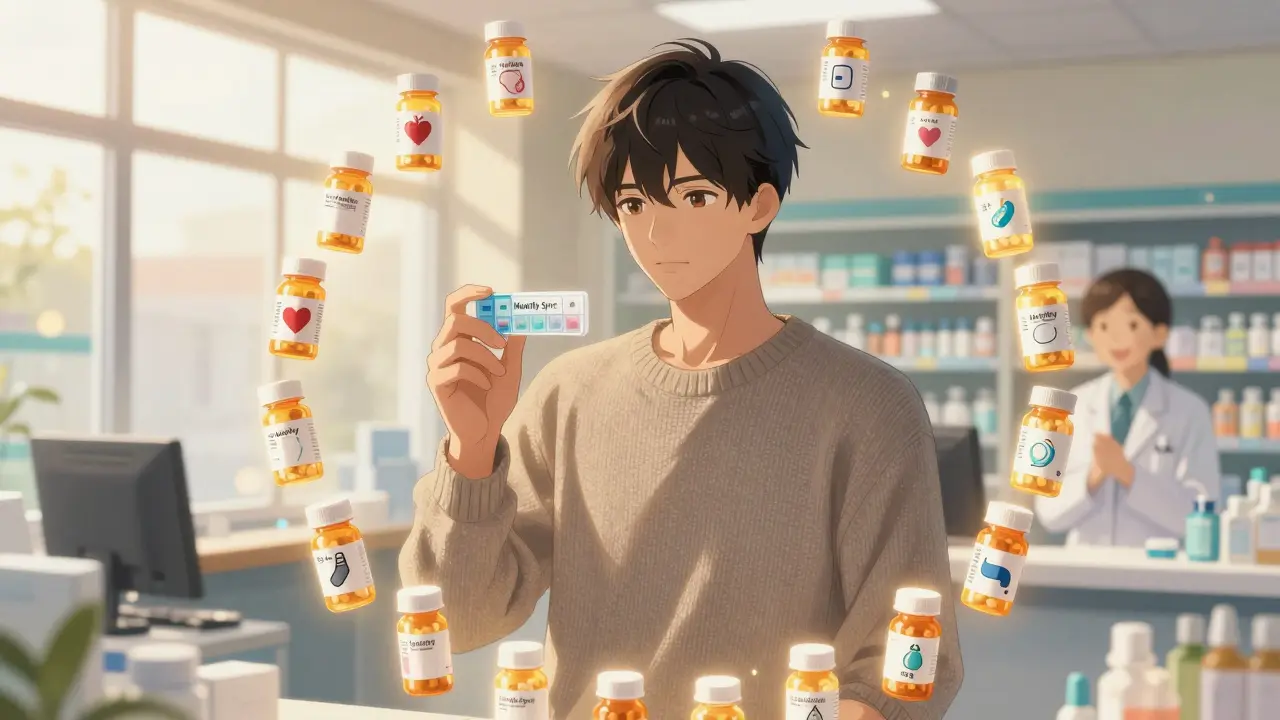
Synchronizing Prescription Refills: How to Prevent Gaps in Therapy
Medication synchronization aligns all your daily prescriptions to one monthly refill date, preventing dangerous gaps in therapy. Learn how it works, who benefits most, and how to get started.
-
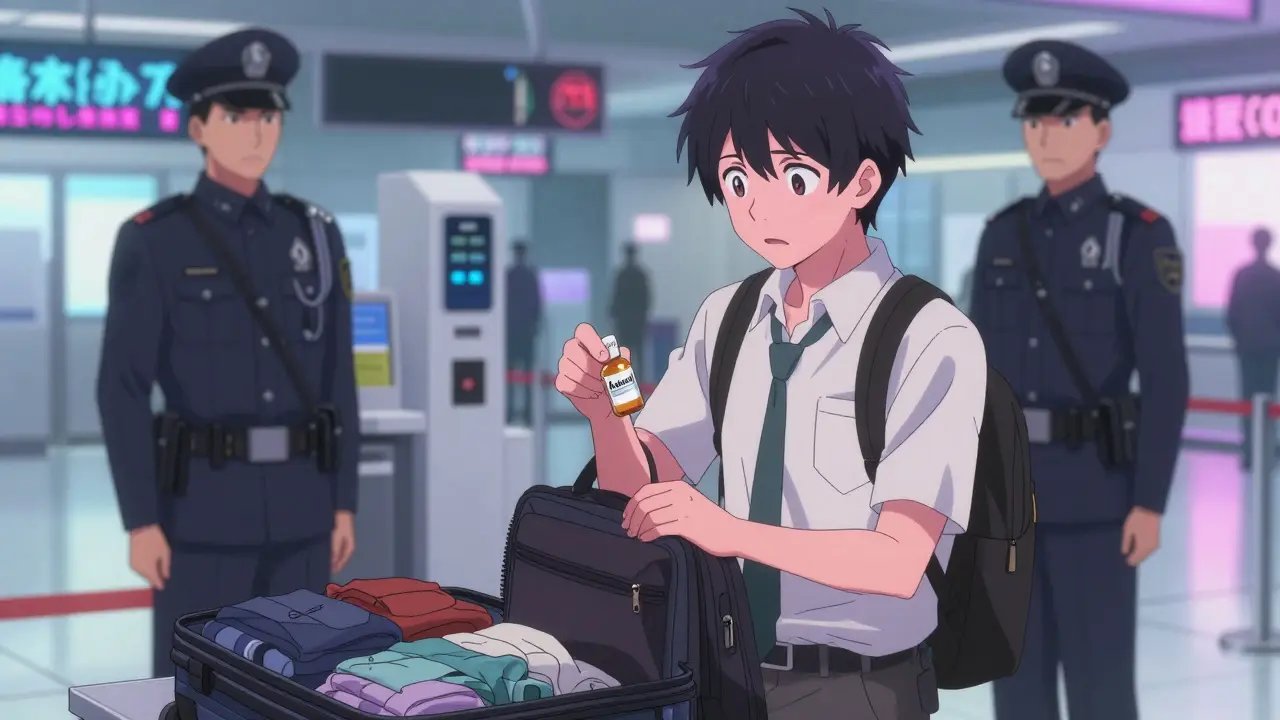
Prescription Medications Illegal in Certain Countries: Check Before You Go
Many common prescription medications are illegal in countries like Japan, the UAE, and Thailand. Learn which drugs are banned, how to check before you travel, and what to do if you need them abroad.
-
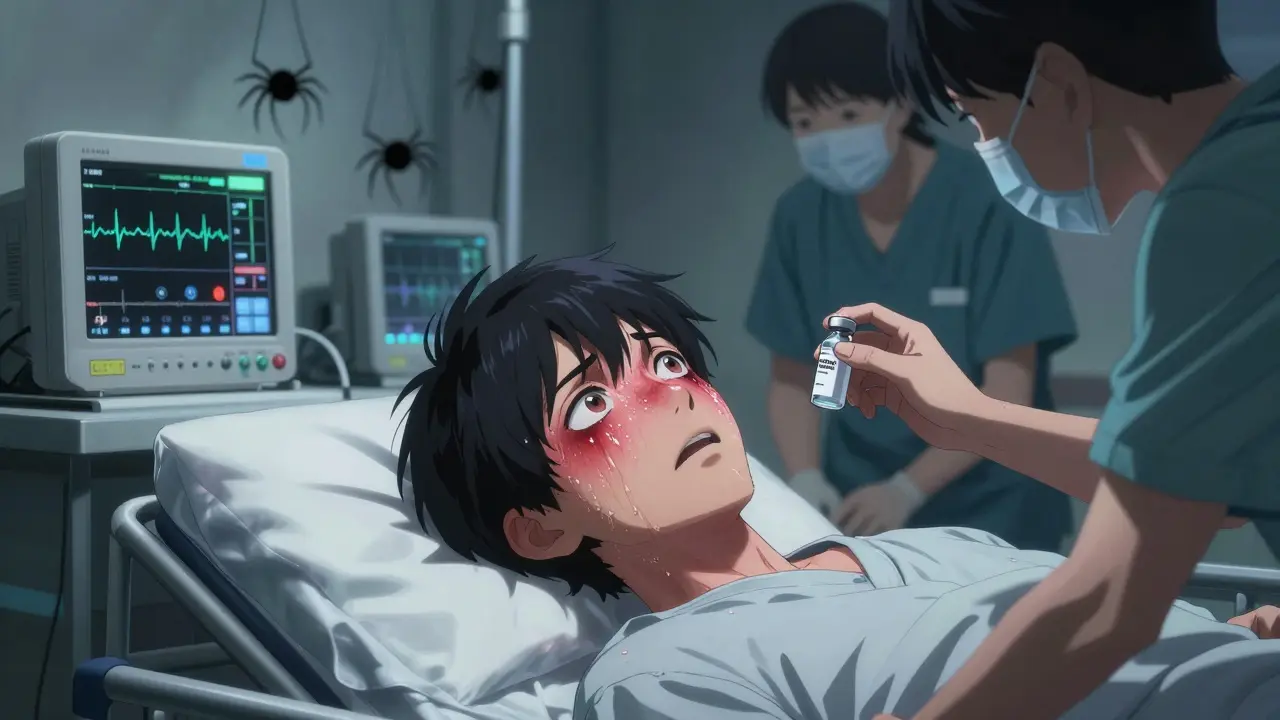
Diphenhydramine Overdose: Signs, Risks, and What to Do in an Emergency
Diphenhydramine overdose can cause hallucinations, seizures, heart failure, and death-even from over-the-counter Benadryl. Learn the warning signs, emergency treatments, and why teens are at rising risk from social media challenges.
-

Nausea from Opioids: How to Manage It with Antiemetics, Timing, and Diet
Opioid-induced nausea affects 30-40% of users, but it's manageable with the right antiemetics, timing, and diet. Learn what works, what doesn't, and how to keep pain relief without the sickness.
-
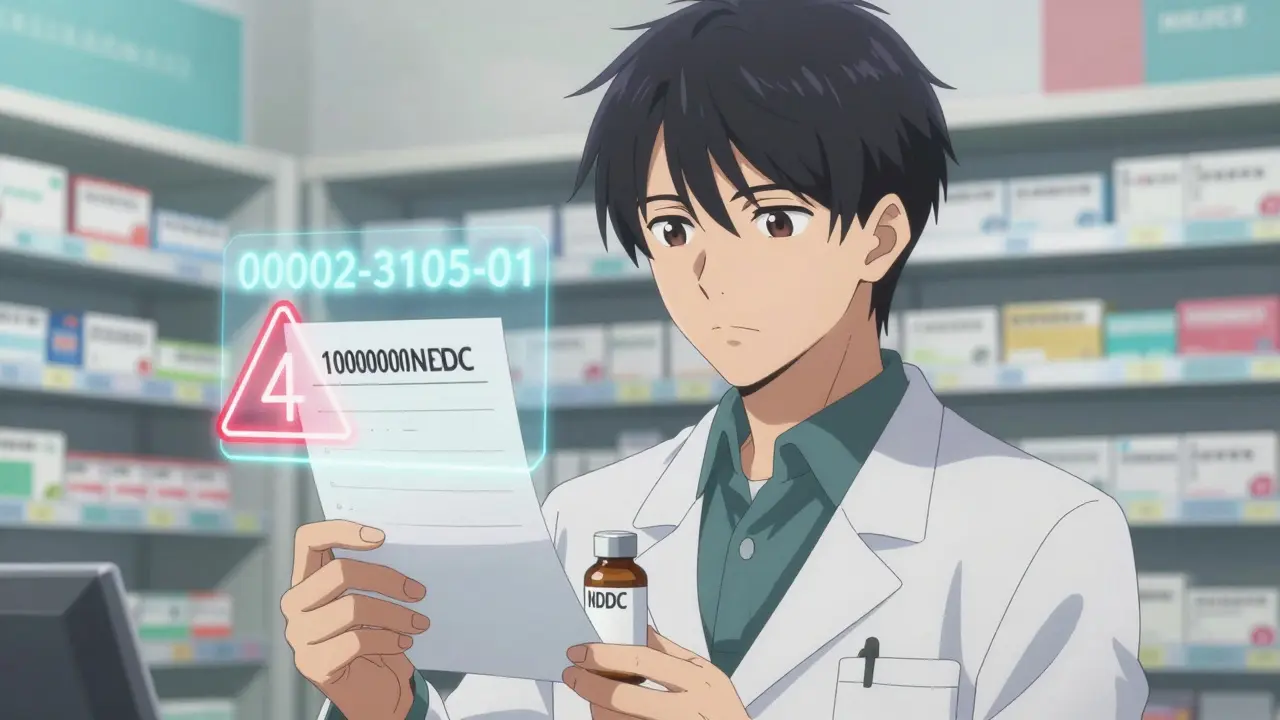
How to Read the NDC Number to Confirm the Correct Medication
Learn how to read the NDC number on medication packaging to prevent dangerous dispensing errors. Understand the 3-segment code, convert formats, verify with the FDA, and avoid common mistakes that lead to wrong doses.