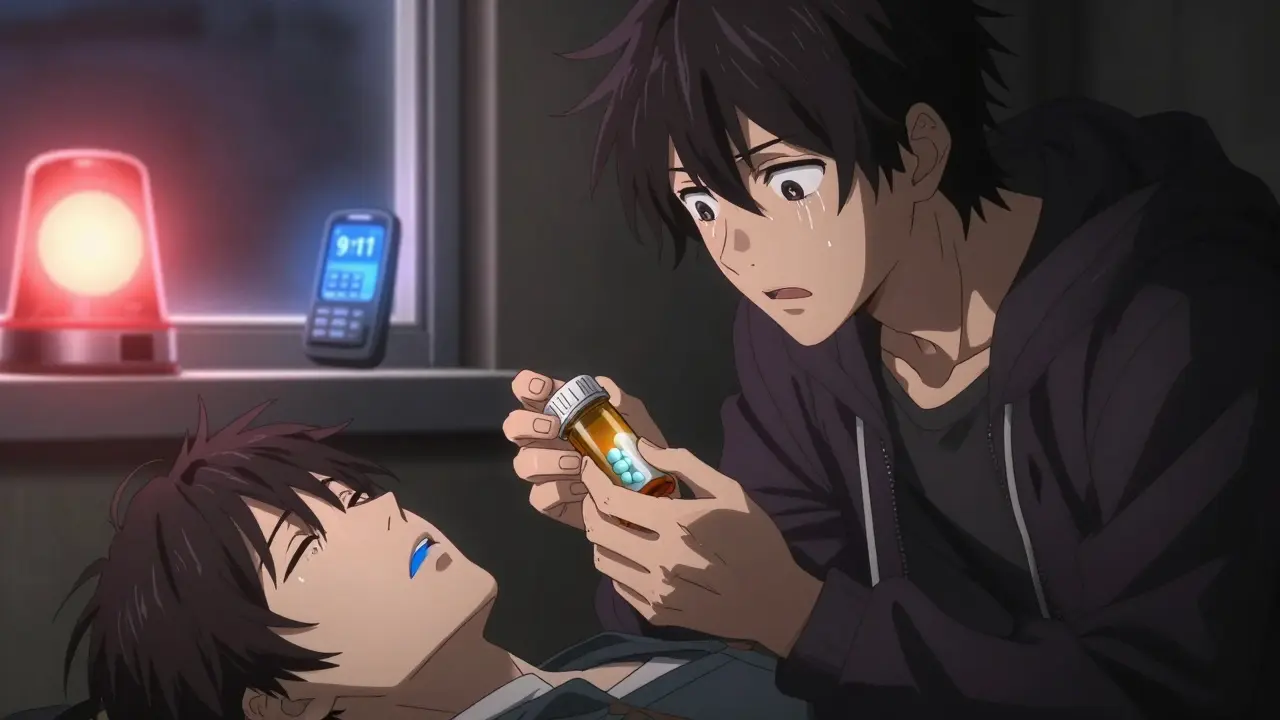
When someone overdoses, every second counts. But calling the wrong number can cost time, resources, and even a life. You might think, "I’ll just call 911 to be safe," but that’s not always the right move. On the flip side, waiting to call Poison Control when symptoms are already life-threatening could mean missing the window to save someone. The difference between calling Poison Control and dialing 911 isn’t about being cautious-it’s about knowing when to act.
Call 911 Immediately If There Are Life-Threatening Symptoms
If the person is unconscious, not breathing, having seizures, or their heart is racing or crashing, don’t hesitate. Call 911 right away. These aren’t "maybe" signs-they’re clear red flags that the body is shutting down. The CDC reports that 28.3% of fatal poisonings involve respiratory failure. That means if someone stops breathing or is gasping, they’re already in a critical state. Waiting for advice from Poison Control could delay life-saving help. Other urgent signs include:- Unresponsiveness-even when you pinch their skin or shake them hard
- Seizures lasting longer than 5 minutes
- Systolic blood pressure below 90 mmHg (they may feel cold, clammy, or look pale)
- Blue lips or fingernails
These aren’t symptoms you can wait out. If any of these are present, call 911 first. Then, if possible, give them naloxone if it’s an opioid overdose and you have it. Naloxone can reverse an opioid overdose, but it’s not a cure. The person still needs emergency care because the effects of naloxone wear off faster than some drugs like fentanyl.
Call Poison Control for Stable, Known Exposures
Poison Control isn’t just for kids swallowing grandma’s pills. It’s a medical resource for adults too. If someone took too much of a medication but is still awake, breathing normally, and acting like themselves, Poison Control is the right first step. They have toxicologists on standby who can tell you exactly what to do-whether that’s watching, drinking water, or heading to the ER. You should call Poison Control when:- The person is alert and responsive
- You know exactly what was taken (name, dose, time)
- It was a single substance (not mixed with alcohol or other drugs)
- The exposure happened less than two hours ago
- No symptoms have appeared yet
For example, if an adult accidentally took two 500mg acetaminophen tablets instead of one, and they feel fine, Poison Control can tell you whether that’s dangerous. In most cases, it’s not-but only if they’re healthy and under 65. If they’re older, have liver disease, or took it with alcohol, the answer changes. That’s why expert guidance matters.
What Information Should You Have Ready?
Whether you’re calling Poison Control or 911, having the right details saves minutes-and minutes save lives. Don’t wait until you’re on the phone to start searching for pill bottles. Prepare this ahead of time:- What was taken? Exact name and strength (e.g., "Lorazepam 1mg tablet, extended-release")
- How much? Number of pills, milligrams, or milliliters
- When? Time of ingestion, accurate to within 15 minutes
- How much do they weigh? In kilograms (not pounds). Most overdose doses are calculated by weight
- Any symptoms? When did they start? What are they? (Nausea? Dizziness? Confusion?)
- First aid given? Did you give them water? Induce vomiting? Administer naloxone?
Studies show that callers who provide accurate weight and timing reduce the chance of unnecessary ER visits by up to 40%. One 2022 study found that 27% of home estimates of weight were off by more than 10%. That can lead to wrong advice. If you don’t know their weight, say so. The specialist will work with what you have.
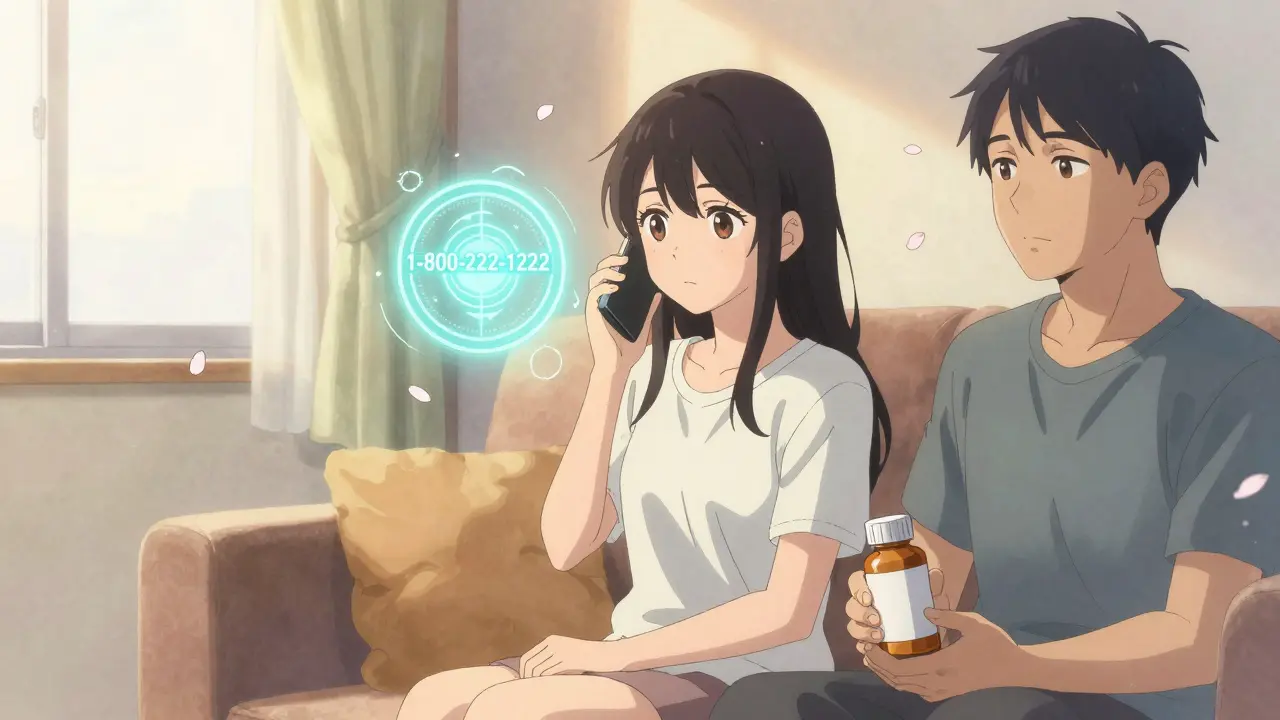
Special Cases: Kids, Seniors, and Opioids
Not everyone follows the same rules. Some groups need faster, stricter responses.Children under 6: Even if they seem fine after swallowing a pill, call Poison Control. Kids metabolize drugs differently. A single dose of a blood pressure pill might be harmless to an adult but deadly to a toddler. The American Academy of Pediatrics says that for most medications, if a child under 6 ingests less than one full tablet and has no symptoms, they can be monitored at home after calling Poison Control. But exceptions exist: clonidine (used for ADHD or high blood pressure) is toxic at just 0.01 mg per kg. That’s less than a tenth of a pill.
Adults over 75: If an older adult takes even a small overdose, go straight to 911. Why? They’re often on five or more medications. A single extra pill can trigger dangerous interactions. A 2022 JAMA study found 83% of seniors over 75 take five or more drugs daily. That means even "harmless" over-the-counter meds can turn deadly when mixed.
Opioid overdoses: If you suspect an opioid overdose-slowed breathing, pinpoint pupils, unresponsiveness-give naloxone if you have it, then call 911. Don’t wait. Naloxone can bring someone back, but if the drug was fentanyl or a synthetic opioid, it may wear off before the drug does. The person can slip back into overdose. That’s why EMS protocols now require all opioid overdose calls to go straight to 911, even if naloxone works. Poison Control doesn’t handle opioid emergencies. They’re too fast-moving.
What Poison Control Can’t Do
Poison Control is powerful, but it has limits. They can’t:- Respond to unconscious patients
- Handle multiple drug overdoses
- Manage intentional self-harm
- Give real-time advice if the person is already having seizures or trouble breathing
Many people try to use the webPOISONCONTROL website or app to self-triage. It’s helpful for simple cases, but it’s not a doctor. A 2023 study found that 18.3% of users misused the app by trying to manage high-risk exposures at home. If the person has symptoms, if they’re a child, if they took more than one substance, or if it was intentional-skip the app. Call a human.
Also, don’t rely on apps that don’t connect you to real specialists. The Poison Help app gives general first aid tips, but it can’t assess your situation. It’s like having a first aid manual instead of calling 911.
Why This System Works
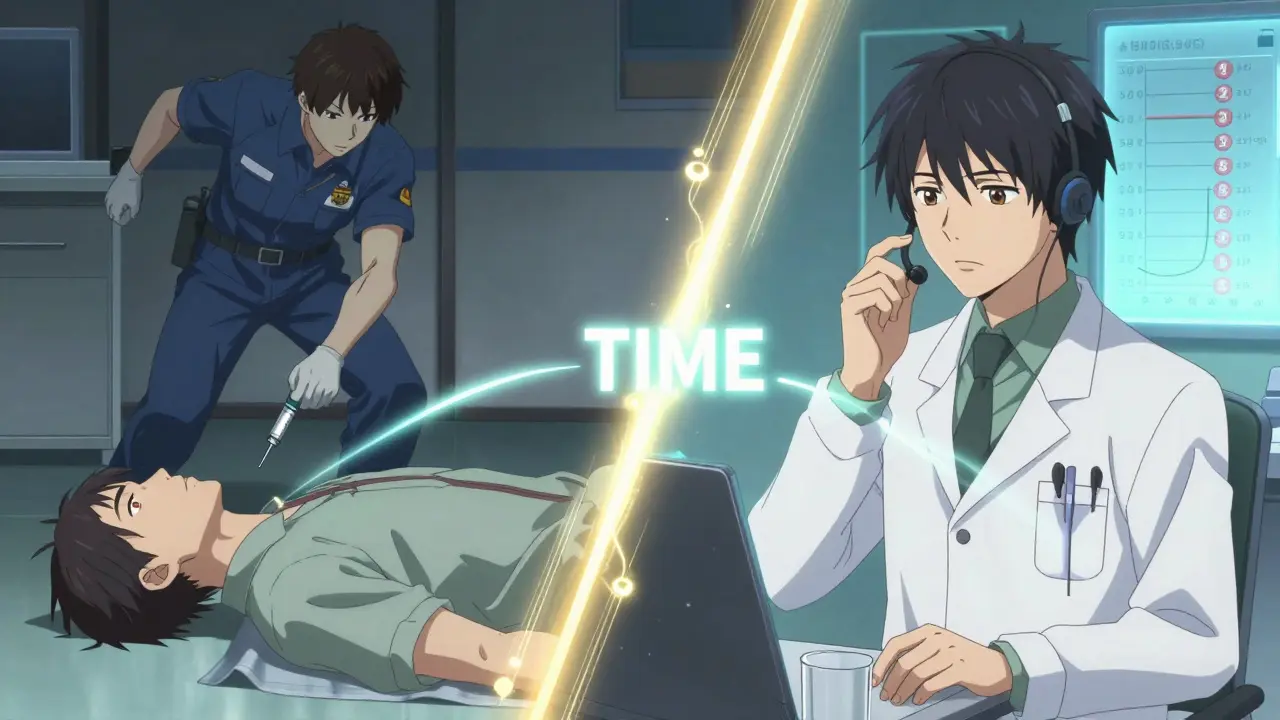
The U.S. has 55 regional poison centers, all connected through a single national hotline: 1-800-222-1222. They handle over 2 million calls a year. About 44% of those are drug-related. The system was designed to prevent unnecessary ER visits-saving $1.8 billion annually by keeping low-risk cases out of hospitals.But it only works if you use it right. A 2023 survey of emergency doctors found that 68% had treated patients who went to the ER after being told by Poison Control to stay home-because the patient had a high-risk exposure that wasn’t properly assessed. The opposite is also true: 38.6% fewer people are taken to the ER when Poison Control is called first for low-risk cases.
It’s not about avoiding the hospital. It’s about getting the right help at the right time. A person who calls Poison Control for a minor acetaminophen overdose might avoid an ER trip entirely. A person who waits to call 911 after a fentanyl overdose might not make it.
What to Do If You’re Not Sure
If you’re stuck-call Poison Control. They’ll ask you the right questions and tell you whether you need 911. If they say go to the ER, go. If they say watch them, do it. But if you’re even a little worried about breathing, consciousness, or seizures, call 911 first. Better to be safe than sorry.Keep the number saved in your phone: 1-800-222-1222. It’s free, confidential, and available 24/7. You don’t need insurance. You don’t need to be a U.S. citizen. You don’t need to be sure. Just call.
Can I just use the Poison Control app instead of calling?
The Poison Help app gives general advice and first aid tips, but it doesn’t connect you to a real toxicologist. It can’t assess symptoms, weight, or drug interactions. If someone is showing any signs of distress-drowsiness, vomiting, confusion-don’t rely on the app. Call 1-800-222-1222. The app is useful for prevention and education, not emergencies.
What if I don’t know what was taken?
Call 911 immediately if the person is unconscious, having trouble breathing, or seizing. If they’re awake and stable, call Poison Control anyway. They can still help. Bring the container, pill bottle, or any packaging to the ER or have someone take a photo. Even partial information-like "a blue pill" or "a bottle labeled \"M367\""-can help them identify the substance. Don’t wait to find out exactly what it was.
Is it safe to induce vomiting or give water after an overdose?
Never induce vomiting unless told to do so by a medical professional. Some substances burn the throat or airway on the way back up. Giving water might help dilute some poisons, but it can make others worse. For example, with certain painkillers, water can speed up absorption. The safest move is to call Poison Control or 911 and follow their instructions.
Do Poison Control centers speak languages other than English?
Yes, but not all. Out of 55 centers, only 17 offer real-time Spanish interpretation, and just 3 offer Mandarin. If you’re not fluent in English, say so when you call. They’ll connect you to an interpreter. Don’t wait to find someone who speaks your language-call immediately. The system is designed to handle language barriers.
What if the overdose was intentional?
Call 911 immediately. Intentional overdoses often involve multiple drugs, and the risk of sudden deterioration is very high. Even if the person says they’re fine, they may be in denial or too confused to know their own condition. Emergency services can provide medical care and mental health support on the spot. Poison Control doesn’t handle intentional cases-they redirect you to 911.


