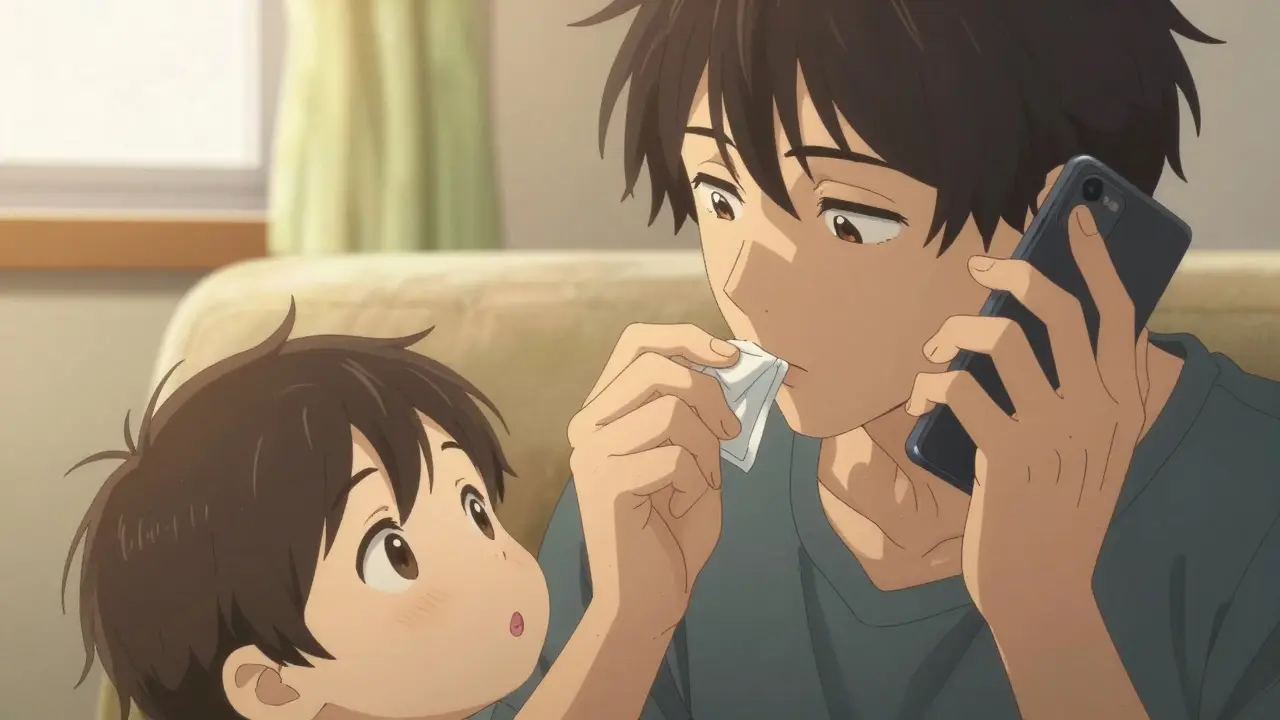
pediatric medication poisoningA medical emergency where a child ingests incorrect medication, requiring immediate action to prevent severe complications or death. Every year, over 60,000 kids visit emergency rooms because of child medication poisoning. This is the second-highest cause of poisoning incidents in children under six in the United States, according to ERCare24's 2023 analysis of CDC data. If your child swallows the wrong medicine, acting fast could save their life.
Immediate Steps to Take
When a child swallows the wrong medication, time is critical. First, call Poison Control immediately at 800-222-1222 in the United States. This is the top recommendation from the Mayo Clinic, Stanford Children's Health, and the American Association of Poison Control Centers. Do not wait to find the medication container or search online. The poison specialists can guide you through real-time steps while you prepare for possible hospital care.
While waiting for instructions, remove any remaining medication from the child's mouth. Use your fingers to gently wipe out any visible pills or liquid. Never try to make the child vomit. As Stanford Children's Health explains, inducing vomiting can cause further harm, especially with certain medications. Also, avoid giving milk or water unless specifically instructed by Poison Control.
Keep the medication container handy. The Poison Control team will need details like the name, strength, and quantity ingested. If you can't find the container, describe the medication's appearance as best you can. Every second counts-calling first ensures you get expert advice before deciding whether to rush to the ER.
During the call, have a pen and paper ready. The specialist may ask for the child's age, weight, and symptoms. They'll also want to know exactly what was swallowed. For example, if it's a prescription pill, note the name on the label. If it's a liquid, mention the color and smell. This information helps them give precise instructions.
When to Call 911
Some symptoms require immediate emergency response. Call 911 right away if your child shows:
- Difficulty breathing or stopped breathing (occurs in 28% of severe poisoning cases)
- Loss of consciousness or unresponsiveness (19% of significant ingestions)
- Seizures or convulsions (12% of critical cases)
- Abnormal pupil size-very large or very small (Stanford Children's Health, 2022)
- Chest pain or irregular heartbeat
- Extreme drowsiness or lethargy lasting more than 20 minutes (ERCare24, 2023)
- Vomiting blood or material that looks like coffee grounds
Heart medications like beta-blockers can cause blood pressure to drop below 70/40 mmHg and heart rate below 50 bpm within 30 minutes. This can lead to cardiac arrest. If your child has ingested any heart medication and shows these signs, do not wait-call 911 immediately.
Pain medications containing acetaminophen are responsible for 31% of pediatric poisoning fatalities according to CDC's 2010 National Vital Statistics System data. Symptoms may not appear right away, so even if your child seems fine, call Poison Control immediately.
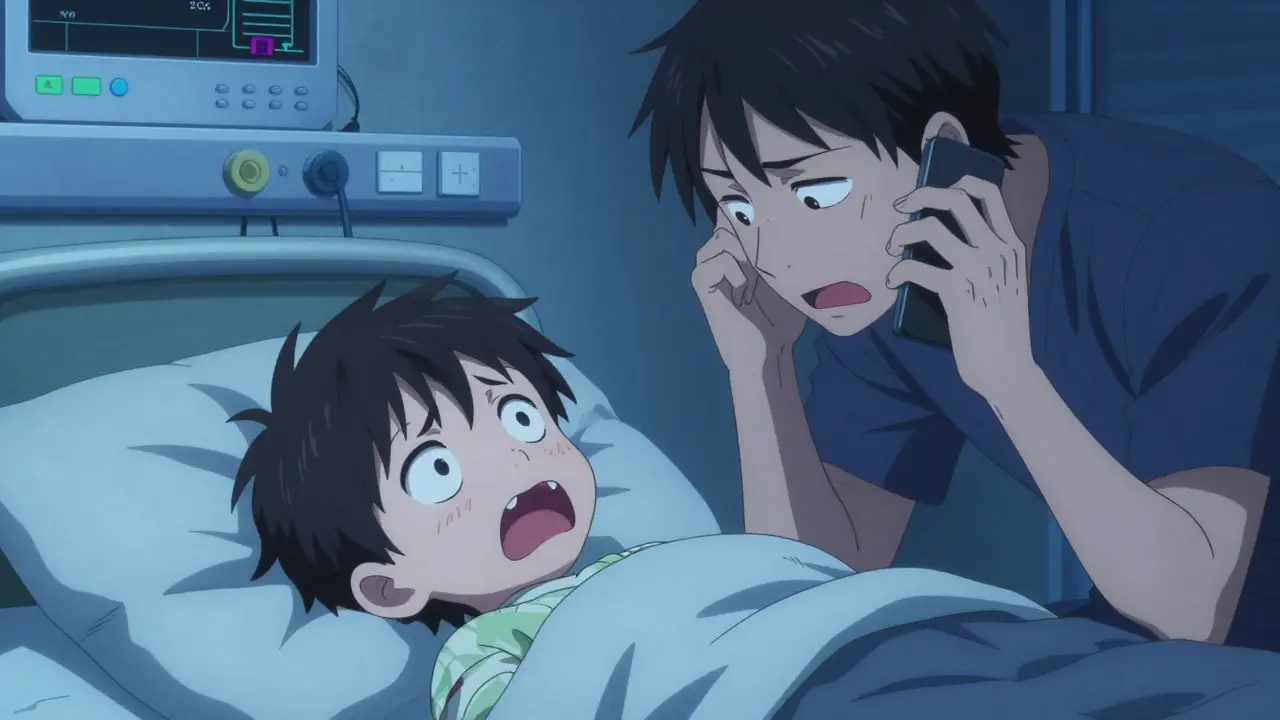
What Not to Do
Many outdated sources still recommend inducing vomiting, but this is dangerous. The American College of Medical Toxicology explicitly states that home vomiting induction changes outcomes in only 0.5% of cases while causing aspiration pneumonia in 7% of attempts. Syrup of ipecac, once common in medicine cabinets, hasn't been part of guidelines since 2004.
Do not give activated charcoal at home. While hospitals use it for some ingestions, improper administration can lead to choking or lung damage. Only medical professionals should handle this treatment.
Never try to treat the child yourself with home remedies like milk or water unless Poison Control specifically says to. Some medications react badly with certain liquids, making the situation worse. For example, giving milk after swallowing a caustic substance like bleach can cause more damage.
Do not wait to see if symptoms develop. Many medications cause delayed effects. Even if your child seems fine initially, they could need urgent care hours later. Always consult Poison Control before making decisions.
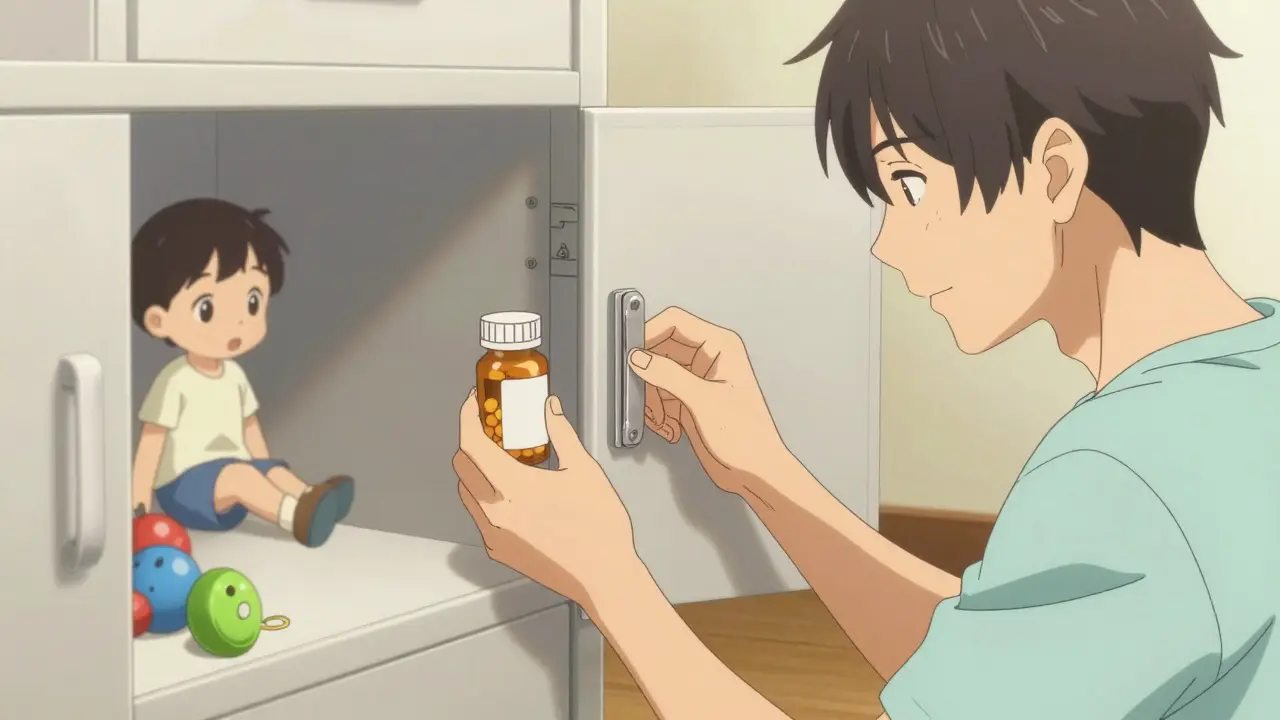
What Happens at the Hospital
Hospitals follow strict protocols based on the medication ingested. For most unknown ingestions, doctors monitor the child for at least 12 hours. Vital signs are checked every 15 minutes during the first hour, then every 30 minutes after stabilization.
If the child swallowed opioids, naloxone is administered at 0.1 mg/kg IV or IM (maximum 2 mg per dose). For sulfonylurea medications (like some diabetes pills), blood sugar is monitored every 30 minutes. If hypoglycemia occurs, glucose is given immediately.
Activated charcoal is used within one hour of ingestion for many medications. However, it's avoided for caustic substances or hydrocarbons like gasoline. In severe cases, doctors may use specific antidotes like octreotide for sulfonylurea ingestions or sodium bicarbonate for tricyclic antidepressants.
For acetaminophen poisoning, blood tests track liver damage. Early treatment with N-acetylcysteine can prevent permanent liver injury. The key is getting to the hospital quickly-delayed treatment increases the risk of serious complications.
Cardiac monitoring is critical for heart medications. Beta-blockers and calcium channel blockers can cause life-threatening heart rhythm problems. Hospitals use continuous ECG monitoring to catch these issues early.
Preventing Future Incidents
Most medication poisonings are preventable. Homes that store medications in locked cabinets report 85% fewer incidents according to the CDC's 2021 Home Safety Survey. Always keep medicines out of sight and reach, even if they're in a cabinet. Children are curious and can climb or open cabinets quickly.
Look for liquid medications with flow restrictors. The American Academy of Pediatrics' 2022 Policy Statement mandates these, which reduce accidental ingestion volumes by 58%. These small caps limit how much liquid pours out, giving you time to intervene.
Smart pill bottles like Hero Health's $89.99/month service have reduced accidental access by 73% in Johns Hopkins studies. While cost is a barrier for many households, some insurance plans cover these devices for high-risk families. The FDA's new child-resistant packaging standards, approved in March 2023, require two independent safety mechanisms and are projected to reduce pediatric exposures by 30% by 2025.
Regularly check your home's medication storage. Dispose of unused or expired medications safely-many pharmacies offer take-back programs. Educate older children about medication safety, and never call medicine "candy" to encourage kids to take it. A 2022 survey found 42% of parents accidentally mislabeled medicine as candy, which directly led to ingestion incidents.
Should I make my child vomit after swallowing medication?
No. Inducing vomiting is dangerous and can cause more harm. According to Stanford Children's Health, 78% of outdated household labels incorrectly recommended this. The American College of Medical Toxicology states it changes outcomes in only 0.5% of cases while causing aspiration pneumonia in 7% of attempts. Always call Poison Control first instead.
What's the Poison Control number in the US?
The nationwide Poison Control number is 800-222-1222. This free, 24/7 hotline connects you to experts who give real-time instructions based on the specific medication ingested. They can guide you through immediate steps and determine if emergency care is needed. Many states have local poison centers that also use this number.
What symptoms mean I should call 911 immediately?
Call 911 if your child has trouble breathing, is unconscious, has seizures, or shows abnormal pupil changes (very large or very small). Other urgent signs include vomiting blood, chest pain, or a rapid or irregular heartbeat. For heart medications, blood pressure below 70/40 mmHg or heart rate below 50 bpm requires immediate emergency care. These symptoms can develop within minutes and need professional intervention.
Can I give activated charcoal at home?
No. Activated charcoal should only be administered by medical professionals. It's effective for many medications within one hour of ingestion but can cause choking or lung damage if given improperly. Hospitals use precise dosing (1 gram per kilogram of body weight) and monitor for complications. Never attempt this at home.
How can I prevent my child from accessing medications?
Store all medications in locked cabinets, not just out of reach. Use child-resistant caps properly and keep them closed. Consider smart pill bottles like Hero Health, which reduce access by 73%. Liquid medications with flow restrictors cut ingestion volumes by 58%. The American Academy of Pediatrics recommends checking storage regularly and disposing of unused medications safely. Locking storage reduces incidents by 85% compared to unlocked homes.


