Cruciferous Vegetables – The Everyday Superfoods You Need
Ever wonder why diet gurus keep shouting about broccoli, kale, and cauliflower? It’s not hype – these veggies pack a punch that can boost your health in simple, tasty ways. Below you’ll find the real reasons to put them on your plate, plus tricks to make them easy and enjoyable.
What Makes Cruciferous Veggies Special?
All cruciferous veggies share the same family – Brassicaceae – and that means they contain glucosinolates. When you chew or cook them, these compounds turn into sulforaphane, indole‑3‑carbinol, and other allies that support your body’s detox system. Studies show they help lower inflammation, protect cells from damage, and may even reduce the risk of certain cancers.
Beyond the chemistry, they’re low‑calorie powerhouses. A cup of raw broccoli gives you about 30 calories, 2.5 grams of fiber, and a solid dose of vitamin C, vitamin K, and folate. That combo keeps you full, supports immune function, and aids blood clotting – all without weighing you down.
How to Add More Cruciferous Veggies to Your Day
Start small. Toss a handful of raw shredded cabbage into your sandwich or mix chopped broccoli florets into a quick stir‑fry. If you’re not a fan of raw textures, steam or roast them for a few minutes; the heat softens the bite while preserving most nutrients.
Try a “cruciferous swap” once a week: replace regular potatoes with cauliflower mash, use kale instead of lettuce for salads, or blend a cup of spinach and collard greens into a smoothie. You’ll get the same comfort feeling but with extra fiber and antioxidants.Don’t forget flavor boosters. A squeeze of lemon, a drizzle of olive oil, or a sprinkle of toasted sesame seeds can turn bland greens into a tasty side. Garlic and ginger also pair well and add extra anti‑inflammatory benefits.
If you’re short on time, keep frozen broccoli, peas, and mixed cruciferous blends in the freezer. They’re flash‑frozen at peak freshness, so you get almost the same nutrient punch as fresh produce.
Lastly, listen to your gut. Some people feel bloated with large amounts of raw cruciferous foods. If that happens, start with cooked versions and gradually increase raw intake as your digestion adapts.
Bottom line: Cruciferous vegetables are affordable, versatile, and backed by solid science. Adding a few servings a day can improve digestion, support the immune system, and lower long‑term disease risk. So next time you’re at the grocery store, grab a bunch of kale, a head of cauliflower, or some Brussels sprouts – your body will thank you.
-
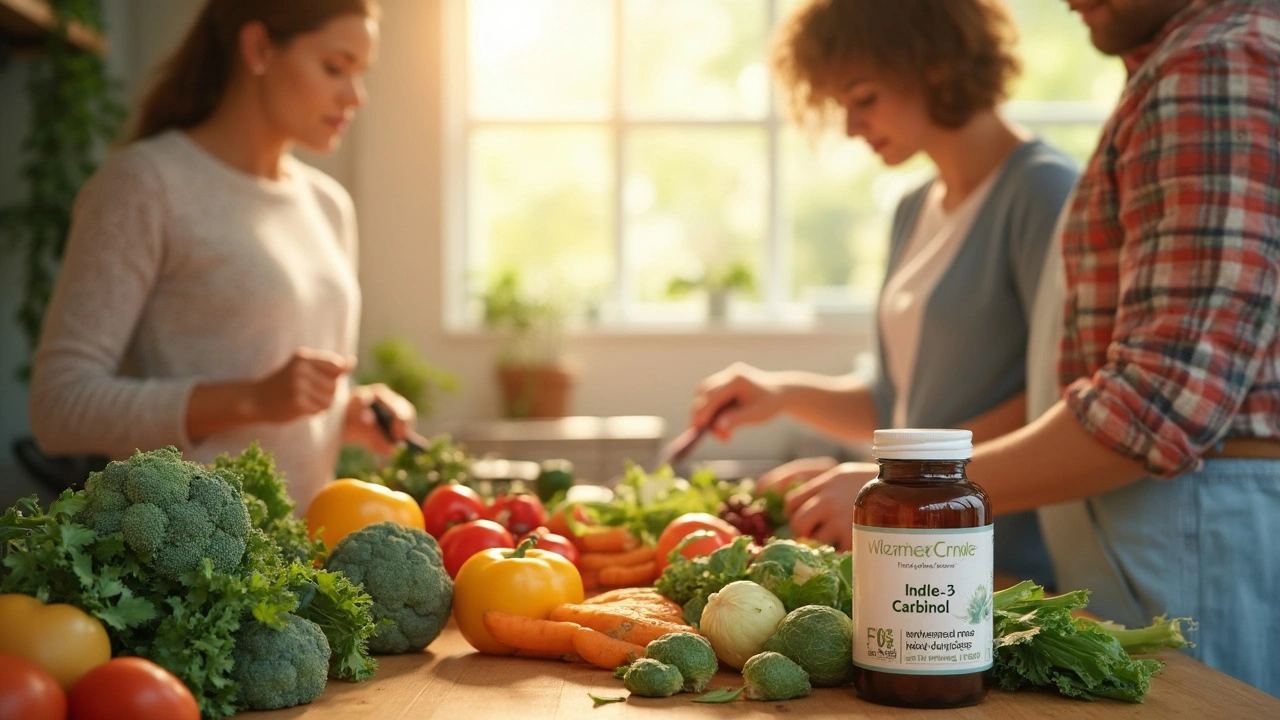
Indole-3-Carbinol: The Game-Changing Supplement for Enhanced Health
Indole-3-Carbinol (I3C) is gaining popularity as a powerful dietary supplement derived from cruciferous vegetables like broccoli and Brussels sprouts. This article explores exactly how I3C works in the body, its evidence-based health benefits, and practical tips for using it every day. Discover how I3C may aid hormone balance, detoxification, and even cancer prevention, all backed by real science. Plus, learn how to safely incorporate I3C into your routine with actionable advice and a closer look at relevant research. Start revolutionizing your health with this natural powerhouse.