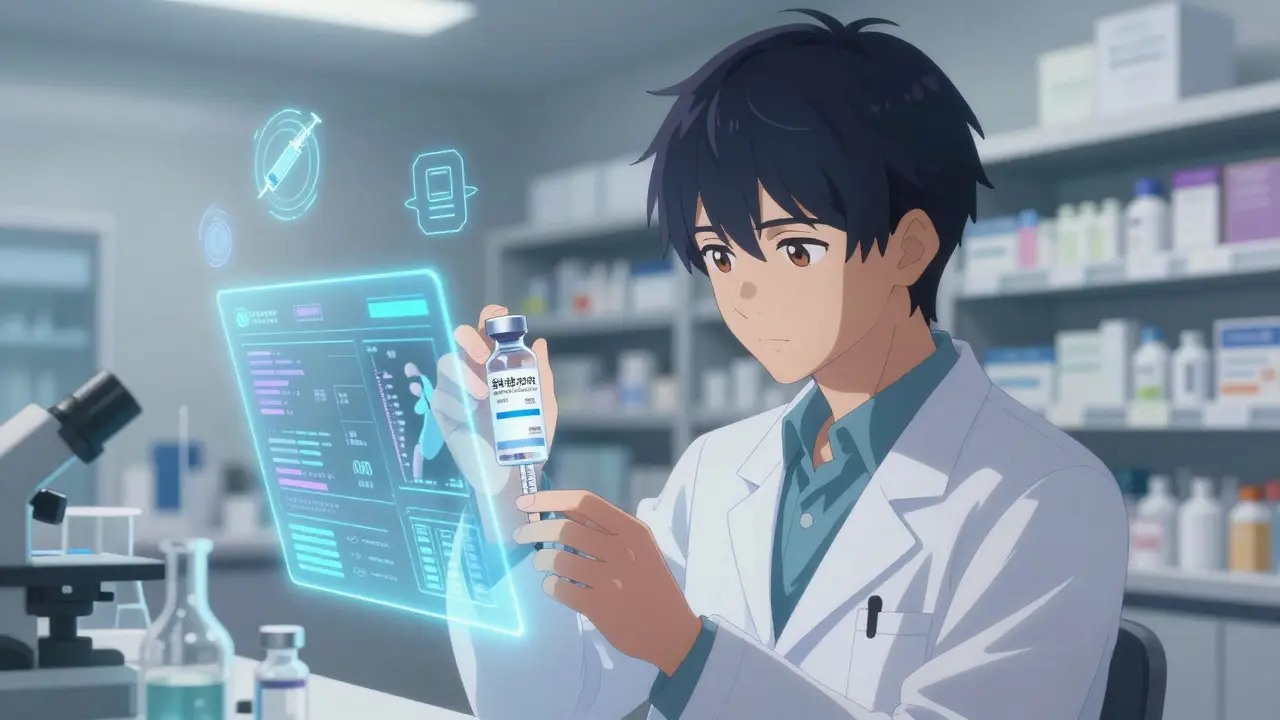
When a patient gets a generic version of a specialty drug, many assume it’s just like picking up a regular pill at the corner pharmacy. But that’s not how it works. Even when the brand name is gone and the price drops, generic specialty drugs still go through specialty pharmacies. Why? Because it’s not about the label-it’s about the care.
What Makes a Drug ‘Specialty’?
A specialty drug isn’t defined by its cost alone. It’s defined by how it’s made, how it’s given, and how closely it needs to be watched. These are drugs for complex conditions-rheumatoid arthritis, multiple sclerosis, hepatitis C, cancer, and more. Many are injectables or infusions. Some need to be kept cold. Others require strict monitoring for side effects. Even when a generic version becomes available, these requirements don’t disappear. The FDA doesn’t approve true ‘generics’ for most biologic drugs because they’re too complex to copy exactly. Instead, you get biosimilars-medications that are highly similar, with no clinically meaningful differences in safety or effectiveness. But they still need the same handling, storage, and patient support as the original. That’s where specialty pharmacies come in.The Provider’s Role Isn’t Just Dispensing
Specialty pharmacies don’t just fill prescriptions. They manage entire care journeys. When a provider sends a prescription for a generic specialty drug, the pharmacy doesn’t just ship it out. They start by verifying insurance coverage, checking for prior authorizations, and applying for financial aid if the patient can’t afford the copay. This process can take days-even for a generic version that costs half as much as the brand. Pharmacists in specialty pharmacies are trained in specific diseases. They know the side effect profiles of each drug, the lab tests that need to be done before and during treatment, and how to spot early warning signs of complications. For a patient on a generic version of a biologic for psoriasis, the pharmacist might call to ask: “Did you notice any redness or swelling at the injection site?” or “Have you had your liver enzymes checked this month?” That level of follow-up doesn’t happen at a retail pharmacy.Why Can’t Retail Pharmacies Handle Generic Specialty Drugs?
You might think: if it’s generic, why can’t Walgreens or CVS fill it? The answer lies in manufacturer restrictions. Many drugmakers require that even their generic or biosimilar versions be distributed only through specialty pharmacies. This is called a restricted distribution program. It’s not about profit-it’s about safety. These programs ensure that patients get proper training on how to self-administer injections, that they understand the risks, and that they’re monitored for rare but serious reactions. A 2023 study showed that patients who received their specialty meds through retail pharmacies were 40% more likely to miss critical follow-up tests than those who used specialty pharmacies. Even when a generic drug doesn’t need refrigeration or special handling, manufacturers still lock it into specialty channels. Why? Because the service model is baked into the contract. The pharmacy isn’t just selling a pill-they’re selling ongoing support.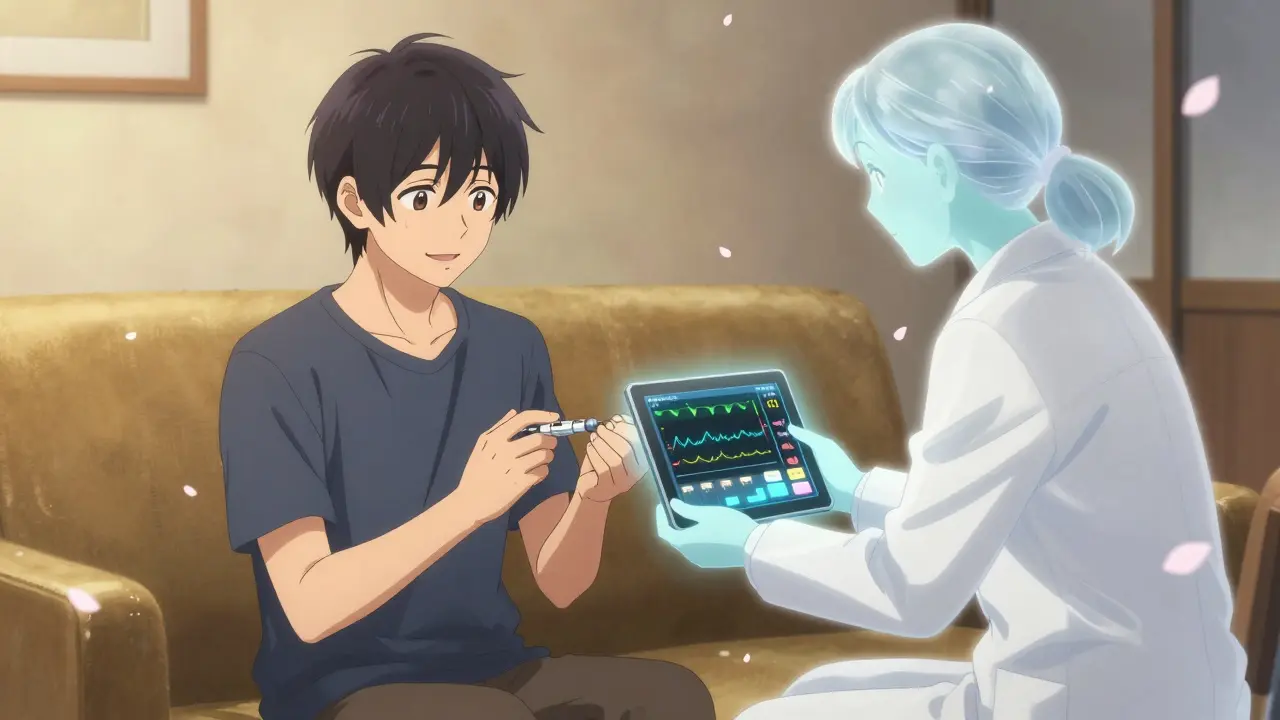
How Generic Specialty Drugs Are Processed
The workflow for a generic specialty drug is nearly identical to that of the brand-name version:- Prescription intake-the pharmacy receives the e-prescription from the provider’s system.
- Prior authorization-they contact the insurer to prove medical necessity, often submitting lab results and treatment history.
- Financial assistance-they help patients apply for manufacturer copay cards or nonprofit aid programs.
- Clinical review-a pharmacist checks for drug interactions, allergies, and dosing appropriateness.
- Patient education-they schedule a call with a nurse or care coordinator to walk through injection technique or infusion prep.
- Dispensing and shipping-the drug is packed in temperature-controlled packaging and shipped overnight.
- Follow-up-they call the patient 3-5 days later to check for side effects and adherence.
Real Patient Experiences
Patients have mixed feelings. Some appreciate the continuity. One user on a health forum wrote: “I switched from the brand to the generic version of my rheumatoid arthritis drug. Same specialty pharmacy. Same nurse. She remembered my last flare-up and asked if I was sleeping better. That meant more than the lower copay.” Others are frustrated. Another patient said: “My methotrexate generic used to cost $15 at Walgreens. Now it’s $75 through the specialty pharmacy-and it takes two weeks to arrive. I had to delay my next dose.” The difference often comes down to insurance. Some plans force patients to use specialty pharmacies even for generics, while others allow retail substitution. It’s not consistent. And when patients switch from brand to generic, they’re sometimes switched to a different pharmacy-breaking the trust they built with their care team.
The Hidden Costs and Challenges
Specialty pharmacies face big hurdles. Prior authorization is a nightmare. A single prescription can require 10-15 documents: lab reports, diagnosis codes, treatment plans, letters of medical necessity. For generics, insurers sometimes demand even more proof-like evidence that the brand version failed first-even though the generic is just as effective. Another issue? Staffing. Specialty pharmacists need training in disease states, insurance systems, and REMS (Risk Evaluation and Mitigation Strategies) programs. It takes 6-8 months for a pharmacist to become proficient. Many clinics don’t have enough trained staff, leading to delays. And then there’s the rise of health systems opening their own specialty pharmacies. Over 60% of hospitals now want to control the entire dispensing process. That means less business for independent specialty pharmacies-and more confusion for patients who suddenly get a new pharmacy they didn’t choose.What’s Changing in 2025?
New rules from Medicare in early 2024 require all Part D plans to cover FDA-approved biosimilars without extra barriers. That’s expected to increase generic specialty drug use by 40% by 2026. Specialty pharmacies are upgrading their tech to handle the volume. Real-time prescription benefit tools now let pharmacists see a patient’s coverage and out-of-pocket cost before they even call the insurer. White bagging and brown bagging are growing too-where the pharmacy dispenses the drug, but it’s given in a clinic or hospital. This is common for cancer drugs, even generics. It keeps the pharmacy involved without needing to ship it to the patient’s home.The Bottom Line
Generic specialty drugs aren’t just cheaper versions of brand-name drugs. They’re still complex, high-risk medications that need expert handling. The provider’s role isn’t to choose between brand and generic-it’s to ensure the patient gets the right drug, through the right channel, with the right support. Whether it’s branded or generic, if the drug requires special storage, training, or monitoring, it belongs in a specialty pharmacy. The cost savings of a generic mean nothing if the patient doesn’t take it correctly-or skips it because the delivery took too long. The future of specialty pharmacy isn’t about competing with retail. It’s about proving that care matters more than cost. And for patients managing life-changing conditions, that’s not just good practice-it’s essential.Why can’t I get my generic specialty drug at my local pharmacy?
Many manufacturers require that even generic or biosimilar specialty drugs be distributed only through specialty pharmacies. This is called a restricted distribution program. It ensures patients receive proper training, monitoring, and support-things retail pharmacies aren’t equipped to provide. Even if the drug doesn’t need refrigeration, the safety protocols still apply.
Are biosimilars the same as generic drugs?
No. Generic drugs are exact copies of small-molecule drugs. Biosimilars are highly similar to biologic drugs but not identical, because biologics are made from living cells and can’t be perfectly replicated. Biosimilars must prove they have no clinically meaningful differences in safety or effectiveness, but they still require the same handling and monitoring as the original biologic.
Do specialty pharmacies charge more for generics?
Sometimes. While the drug cost is lower, specialty pharmacies still charge dispensing fees-usually $250-$500 per prescription-and may have higher copays if your insurance requires you to use them. Some patients pay more out-of-pocket for a generic through a specialty pharmacy than they did for the brand at retail. Always check your plan’s formulary and network rules.
How long does it take to get a generic specialty drug?
On average, it takes 7.2 days from prescription receipt to delivery. This includes time for prior authorization, insurance approval, financial assistance applications, and clinical review. Oncology and hepatitis C drugs can take longer-up to 9 days. Retail prescriptions, by contrast, are usually filled in under 24 hours.
Can I switch from a brand to a generic specialty drug without changing pharmacies?
Yes, and it’s often recommended. Staying with the same specialty pharmacy means your care team already knows your history, side effects, and preferences. A 2024 survey found 68% of patients preferred keeping the same pharmacy when switching to a generic version because they trusted the staff and didn’t want to repeat training or risk missed follow-ups.


