
They sit in your bathroom cabinet next to the toothpaste. Cough syrup, pain relievers, anti-diarrheal pills. They are over-the-counter (OTC) drugs, defined as medications available without a prescription for self-treatment of minor ailments. Because you don’t need a doctor’s note to buy them, we often forget they are still powerful pharmaceuticals. But when taken in ways not intended by manufacturers-often to achieve a high rather than treat a symptom-they become dangerous. This is known as OTC drug misuse.
You might think this only happens with illegal street drugs or stolen prescription opioids. The reality is starkly different. According to data from the Substance Abuse and Mental Health Services Administration (SAMHSA), approximately 3.1 million Americans aged 12 or older misused OTC cough and cold medicines in 2020 alone. That’s 1.1% of the population in that age group. The scary part? Research from American Addiction Centers shows that 67% of people who start abusing OTC meds eventually move on to prescription or illicit drugs within 18 months. It is rarely an isolated incident; it is often a gateway.
The Physical Red Flags: What Your Body Looks Like
Misuse doesn't happen overnight, but the physical toll accumulates quickly. If you suspect someone is abusing these medications, look for specific, measurable changes in their physiology. These aren't vague complaints; they are clinical indicators.
Dextromethorphan (DXM), commonly found in cough suppressants like Robitussin and Delsym, is one of the most abused OTC substances. The Drug Enforcement Administration (DEA) tracks dose-dependent effects that act as clear warning signs. At therapeutic doses, DXM stops a cough. At abusive doses (100-1500 mg), it causes dissociation. Here is what that looks like physically:
- Pupil Changes: In 78% of DXM abuse cases documented by Mayo Clinic research, users exhibit dilated or constricted pupils that do not react normally to light.
- Speech Impairment: Articulation errors skyrocket. While normal speech has about 2% error rate, abusive doses can push this to 68%, resulting in thick, slurred speech.
- Vital Sign Spikes: Blood pressure can jump from a normal 120/80 mmHg to 160/100 mmHg. Heart rates may surge from 60-100 bpm to 120-180 bpm.
- Temperature Dysregulation: Severe cases see body temperatures rising to 103-105°F, leading to overheating and potential organ damage.
If the product contains acetaminophen (like Tylenol PM), the risk shifts to silent liver damage. The FDA Adverse Event Reporting System reported that 32% of cases involving excessive acetaminophen intake resulted in liver injury. Exceeding 4,000 mg of acetaminophen daily is toxic, yet abusers often consume multiples of bottles to chase the DXM high, unknowingly poisoning their liver.
Behavioral Shifts: The Social Withdrawal
Physical signs are obvious, but behavioral changes often appear first. Data from the Tennessee Department of Health in 2022 highlights a pattern of secrecy and isolation that is hard to ignore.
Watch for these specific behavioral metrics:
- Academic or Work Decline: 89% of misusers show a sudden drop in performance. For students, this means a GPA drop from 3.4 to 2.1 within a single semester. For workers, it manifests as missed deadlines and increased absences.
- Hyper-Secrecy: There is a 400% increase in locked-door behavior and a 300% increase in changing phone passwords. If someone suddenly guards their medicine cabinet or phone with unusual intensity, ask why.
- Social Isolation: The American Academy of Family Physicians notes that 83% of adolescent misusers reduce their daily social interactions from an average of 5.2 to just 1.7. They stop hanging out with friends who don’t use.
- Financial Irregularities: Buying large quantities of OTC meds costs money. Users report an average of $127 in unaccounted monthly spending. They may borrow money, sell possessions, or steal cash to fund the habit.
User experiences on forums like Reddit’s r/DrugNerds confirm this isolation. One user described hiding medications in "vitamin bottles" and visiting three different pharmacies monthly to avoid being flagged by store employees. This level of deception is a major red flag.
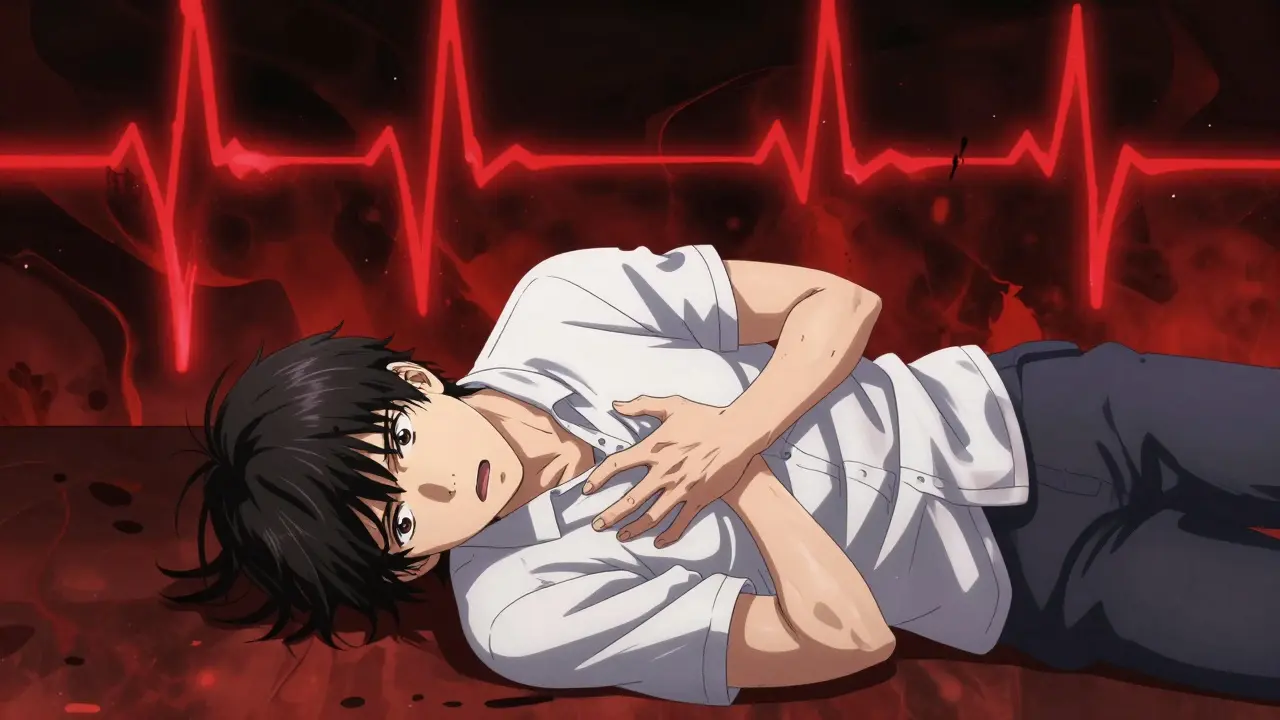
The Danger of Loperamide: A Heart-Stopping Risk
While DXM is common, another OTC drug presents a lethal risk: Loperamide, sold under brand names like Imodium for diarrhea treatment. Originally used to treat opioid withdrawal symptoms, it has been abused in massive quantities to mimic opioid highs or manage cravings.
Dr. Wilson Compton, Deputy Director of NIDA, testified before Congress in March 2023 that loperamide misuse has increased by 278% since 2011. Users are consuming up to 100 tablets daily-that’s 5,000 mg versus the recommended 16 mg. Why is this deadly? Loperamide affects the heart’s electrical system. High doses cause QT interval prolongation exceeding 500 ms (normal is 350-440 ms). This creates life-threatening arrhythmias, potentially leading to sudden cardiac arrest. Unlike DXM, where the primary risk is neurological and psychological, loperamide kills via cardiac toxicity. If someone is taking dozens of Imodium pills, they need emergency medical attention immediately.
Psychological Toll: Beyond the Buzz
The mental health impact of OTC misuse is profound and often misunderstood. It’s not just about feeling "high." It’s about the crash that follows and the long-term structural changes to the brain.
NIDA’s 2021 Adolescent Substance Abuse Study documented that mood swings occur 5.7 times more frequently in misusers than non-users. Paranoia episodes lasting 2-4 hours post-ingestion are reported in 44% of DXM abuse cases. But the long-term damage is worse. Dr. Nora Volkow, Director of NIDA, noted in a 2022 JAMA commentary that chronic high-dose DXM abuse causes an 8.3% reduction in hippocampal volume after six months. The hippocampus is critical for memory and learning. This isn't just a bad trip; it's measurable brain shrinkage.
Furthermore, 31% of chronic DXM users develop persistent psychosis requiring antipsychotic medication, according to Mayo Clinic physicians. Emotional numbness persists for 12-24 hours after the effects wear off, leaving users unable to engage with reality, work, or relationships.
| Drug / Ingredient | Common Brand Names | Primary Effect of Misuse | Key Health Risk | Typical Abusive Dose |
|---|---|---|---|---|
| Dextromethorphan (DXM) | Robitussin, Delsym, Mucinex DM | Dissociation, Hallucinations | Hipocampal damage, Psychosis, Serotonin Syndrome | 100-1500 mg |
| Loperamide | Imodium | Opioid-like euphoria | Cardiac Arrhythmia, Sudden Death | Up to 5000 mg (vs 16 mg safe) |
| Acetaminophen | Tylenol, Panadol | Pain relief (often mixed with DXM) | Liver Failure, Toxicity | >4000 mg/day |
| Antihistamines | Diphenhydramine (Benadryl) | Drowsiness, Delirium | Seizures, Confusion, Urinary Retention | High doses vary |

What to Do: Intervention and Treatment
Recognizing the signs is step one. Acting on them is step two. The Tennessee Department of Health recommends immediate action when three or more physical signs (e.g., dilated pupils + slurred speech + elevated temperature) appear simultaneously. This protocol has shown 92% effectiveness in early intervention cases.
Don’t wait for a crisis. American Addiction Centers’ clinical data shows that motivational interviewing conducted within 72 hours of symptom recognition increases treatment engagement by 63%. Talk to the person. Express concern, not judgment. Ask direct questions about their usage.
Detoxification is not always simple. SAMHSA’s 2022 Treatment Improvement Protocol specifies that DXM detox requires 5-7 days of medical monitoring for psychological symptoms. About 78% of patients require antidepressants to manage post-acute withdrawal syndrome. For loperamide users, the FDA approved a specific treatment protocol in June 2023 using low-dose naltrexone to manage withdrawal symptoms, showing 82% efficacy in trials.
Prevention at home is also crucial. The Mayo Clinic reports that 72% of households keep OTC meds in unlocked cabinets. This accessibility correlates with a 3.2x higher misuse rate. Install lockboxes. Keep medications out of sight. Treat them with the same caution as prescription drugs.
Long-Term Recovery and Support
Recovery from OTC misuse is possible, but it requires structured support. SAMHSA’s 2023 National Survey on Drug Use and Health indicates that cognitive behavioral therapy (CBT) combined with family therapy achieves 68% abstinence rates at 6 months for adolescents. This is significantly higher than the 42% success rate seen with individual therapy alone. Family involvement is key.
If you or a loved one is struggling, resources are available. In the US, the SAMHSA National Helpline received over 14,000 calls specifically about OTC drug misuse in 2022. You can call 1-800-662-HELP (4357) for free, confidential, 24/7 information and treatment referral services. In South Africa, organizations like SADAG (South African Depression and Anxiety Group) offer similar support lines.
Remember, OTC does not mean "safe for any amount." These are medicines. Respect the dosage. Watch for the signs. And if things go wrong, seek help immediately. The difference between a harmless remedy and a life-altering addiction is often just a few extra pills.
Is it legal to misuse over-the-counter drugs?
Yes, it is generally legal to purchase and possess OTC drugs, but misusing them (taking them in ways not intended by the manufacturer) can have severe legal consequences if it leads to public disturbances, driving under the influence, or harm to others. While not illegal like heroin, the health risks are equally serious.
How much DXM is considered an abusive dose?
Therapeutic doses of DXM typically range from 15-30 mg every 4-8 hours. Abuse usually begins at 100 mg and goes up to 1500 mg. Doses above 400 mg begin to cause significant dissociative effects, hallucinations, and loss of motor coordination.
Can loperamide (Imodium) be fatal?
Yes. High doses of loperamide can cause QT interval prolongation, leading to life-threatening heart arrhythmias and sudden cardiac death. Taking more than the recommended dose (16 mg per day) is extremely dangerous and should be treated as a medical emergency.
What are the first signs of DXM addiction?
Early signs include tolerance (needing more to get the same effect), secrecy around medication use, neglect of responsibilities at school or work, mood swings, and physical symptoms like dilated pupils, slurred speech, and rapid heartbeat.
How long does it take to detox from OTC drug misuse?
For DXM, acute withdrawal symptoms typically last 5-7 days, though psychological symptoms like depression and anxiety can persist longer. Medical supervision is recommended to manage withdrawal safely, especially if other substances were involved.
Where can I get help for OTC drug misuse?
In the US, call the SAMHSA National Helpline at 1-800-662-HELP (4357). In South Africa, contact SADAG at 0800-567-567 or visit their website. Local hospitals and addiction specialists can also provide immediate assistance and referrals to treatment programs.