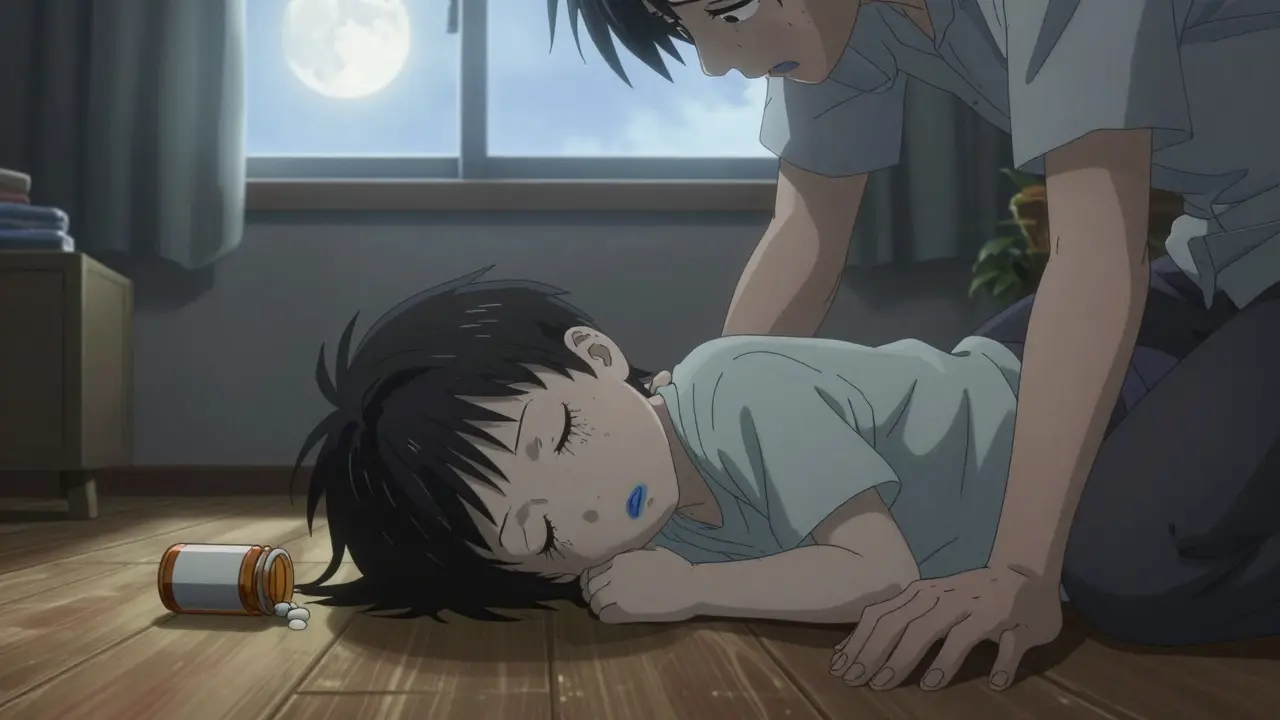
When a child accidentally takes too much medicine, time isn’t just important-it’s life-or-death. Unlike adults, children’s bodies process drugs differently, and what seems like a small mistake can spiral into a medical emergency. Many parents assume they’ll know right away if something’s wrong, but the truth is, pediatric medication overdose often hides in plain sight. Symptoms might not show up for hours, or worse, they might look like a common cold or stomach bug. That’s why knowing the warning signs and when to act isn’t just helpful-it’s essential.
What Does a Medication Overdose Look Like in Kids?
The signs vary wildly depending on what the child took. There’s no single checklist, but certain red flags should trigger immediate action. For opioids like oxycodone, hydrocodone, or fentanyl, watch for:- Pinpoint pupils-so small they look like pinpricks
- A limp, floppy body that doesn’t respond when you try to wake them
- Gurgling or choking sounds-like they’re drowning in their own saliva
- Slow, shallow, or stopped breathing
- Cold, clammy skin with blue or gray lips and fingernails
If you see even one of these, don’t wait. Call 911 immediately. Fentanyl is especially dangerous because it’s often mixed into other pills without the user knowing. Even a tiny amount can stop breathing in seconds.
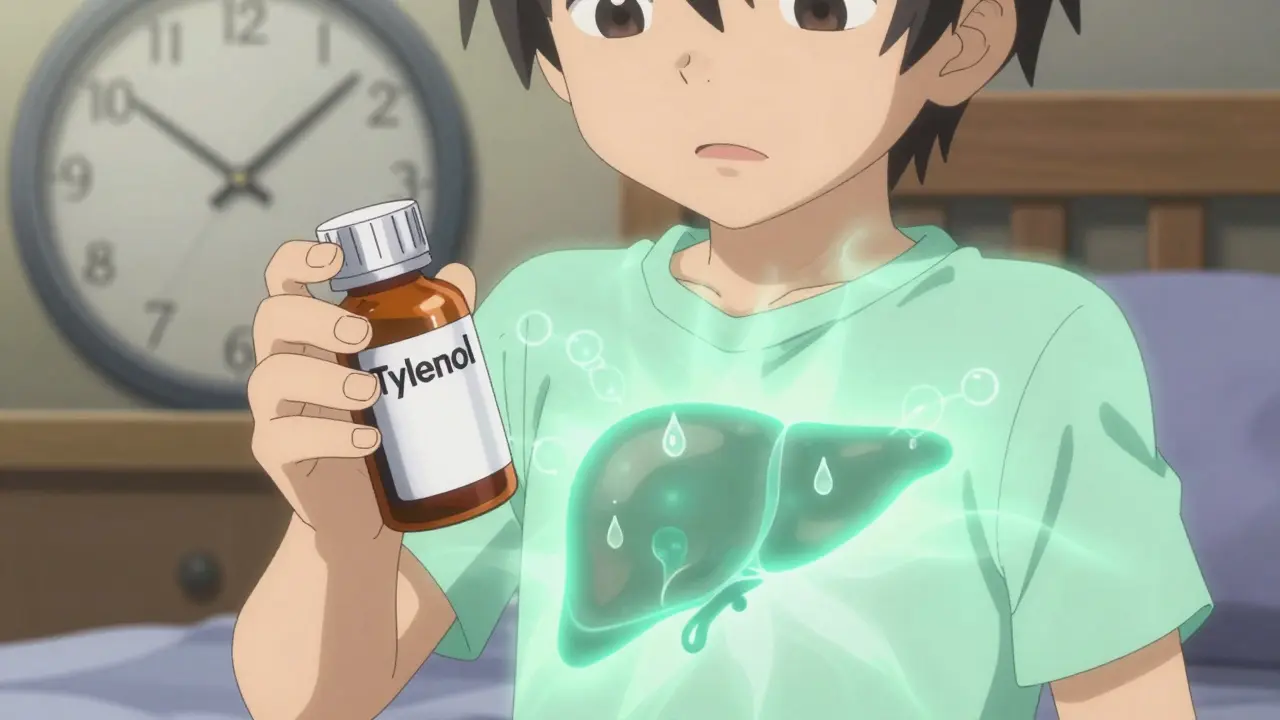
For acetaminophen (Tylenol), the danger is silent. A child might seem fine for 12 to 24 hours after swallowing too much. Then, suddenly, nausea, vomiting, and belly pain appear. By then, liver damage is already happening. The Cleveland Clinic says N-acetylcysteine (NAC), the antidote, works best if given within 8 hours. After 16 hours, its effectiveness drops to 40%. That’s why you can’t wait to see symptoms-by then, it might be too late.
Stimulant overdoses from ADHD meds like Adderall or Ritalin look totally different. Watch for:
- Extreme restlessness or panic
- Rapid breathing and racing heartbeat
- High fever, sweating, or confusion
- Seizures or uncontrolled shaking
- Hallucinations or violent behavior
These cases can lead to stroke or heart attack in children. Even if the child seems alert, don’t assume they’re okay. Their body is under extreme stress.
What About Common OTC Drugs?
Many parents don’t realize that over-the-counter medicines can be just as dangerous as prescriptions. Cough and cold syrups are the second most common cause of pediatric poisoning, after acetaminophen. These often contain multiple active ingredients-antihistamines, decongestants, cough suppressants-and mixing them with other meds can easily push a child into overdose.The CDC found that 70% of acetaminophen overdoses in kids happen because caregivers didn’t realize they were giving two products with the same drug. One for fever, another for a cold-both contain acetaminophen. The total dose adds up fast. A teaspoon here, a tablespoon there, and suddenly you’ve crossed the safety line.
Other common culprits include:
- Antihistamines (like Benadryl)-can cause drowsiness, hallucinations, or seizures
- Iron supplements-can cause vomiting, bloody diarrhea, and organ failure
- Essential oils or herbal remedies-some are toxic even in small amounts
There’s no such thing as a “safe” medicine if it’s given in the wrong amount. Always check the label. Look for the active ingredient. And never guess a dose based on age alone-weight matters more.
When Should You Call Poison Control?
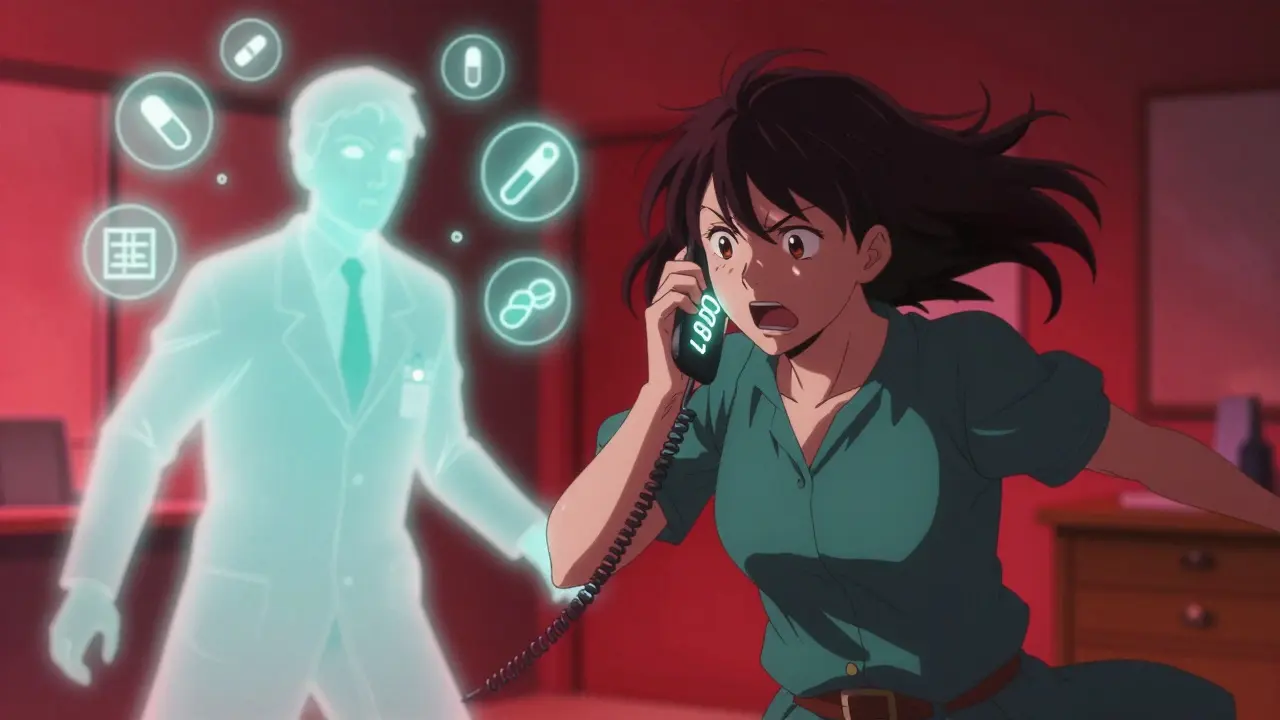
Call Poison Control at 1-800-222-1222 anytime you suspect your child took too much of anything-even if they seem fine. This is not a last resort. It’s your first move.Poison Control centers have toxicologists on standby 24/7. They don’t just tell you to go to the ER. They give you specific, step-by-step instructions based on what was taken, how much, and your child’s weight. They’ve handled over a million pediatric cases in the last year alone. And now, with webPOISONCONTROL®, you can get real-time advice online if it’s not an emergency.
But here’s the key: don’t wait for symptoms. If you find an open bottle, a spilled pill, or your child has a medicine in their mouth-call immediately. The delay between ingestion and symptoms can be hours. By the time vomiting starts, irreversible damage might have already begun.
When Do You Call 911 Instead?
You don’t call Poison Control or 911-you call 911 if the situation is life-threatening. Here’s when to skip the phone call and dial emergency services right away:- The child is unresponsive-won’t wake up, even with loud noise or shaking
- Breathing has stopped or is dangerously slow
- There’s a seizure or uncontrollable twitching
- Lips or nails are turning blue or gray
- Swelling of the face, tongue, or throat
- Severe rash or hives spreading quickly
In these cases, every second counts. If you’re trained in CPR, start rescue breathing while someone else calls 911. If you have naloxone (Narcan) and suspect an opioid overdose, give one dose right away. It’s safe to use even if you’re not sure-it won’t hurt a child who didn’t take opioids, but it could save a life if they did.
What Happens After You Call?
Poison Control will ask you for details:- What medicine was taken?
- How much?
- When?
- Your child’s age and weight
- Any symptoms so far
They’ll tell you whether to monitor at home, go to the ER, or do nothing. Sometimes, they’ll even send you a follow-up text with instructions. Don’t ignore it. Even if they say it’s fine, keep watching your child for the next 24 hours. Some drugs take time to show their effects.
Emergency rooms will run blood tests to check liver and kidney function, especially if acetaminophen or iron is involved. They may give activated charcoal to stop absorption, or an antidote like NAC. But none of this works if you wait too long.
How to Prevent Overdoses Before They Happen
The best treatment is prevention. Here’s what actually works:- Lock up all medications-even vitamins-in a cabinet with a childproof latch. Studies show 60% of poisonings happen at home.
- Use child-resistant packaging correctly. Don’t leave caps off or open bottles on counters.
- Never call medicine “candy.” Kids listen. If you say it’s candy, they’ll think it’s okay to eat.
- Always read the label. Check the active ingredient. Write down doses and times.
- Use the measuring tool that comes with the medicine. Kitchen spoons are not accurate.
- Keep a list of all medications your child takes, including supplements and herbal products.
The FDA has started requiring clearer labeling and unit-dose packaging for liquid acetaminophen. Since 2020, this has cut accidental overdoses by 19%. But it’s not enough. Parents still make mistakes. The number of pediatric poisonings has gone up 7.3% since 2021. We’re getting better at treating overdoses-but we’re still falling behind on preventing them.
What to Do If You’re Not Sure
If you’re unsure whether your child took too much, or if you found an empty bottle and don’t know what was in it-call Poison Control anyway. They’ve heard every scenario. They’ve seen children who drank half a bottle of cough syrup and were fine. They’ve seen others who took one pill and needed a liver transplant. There’s no such thing as a silly question. Your call could be the difference between a scare and a tragedy.What should I do if my child swallowed a pill I didn’t know was there?
Call Poison Control immediately at 1-800-222-1222. Even if you don’t know what the pill was, they can help you identify it based on color, shape, or markings. Do not try to make your child vomit. Do not give anything to eat or drink unless instructed. Keep the pill bottle or any remaining pills to show medical staff.
Can I wait to see if my child gets sick before calling?
No. For many drugs, especially acetaminophen and opioids, symptoms can take hours to appear-even while damage is happening inside the body. Waiting increases the risk of permanent harm or death. Poison Control can guide you on whether to monitor at home or go to the hospital based on real-time data, not guesswork.
Is it safe to give naloxone to a child if I’m not sure it’s an opioid overdose?
Yes. Naloxone is safe and will not harm a child who didn’t take opioids. If you suspect opioid involvement-especially if the child is unresponsive, breathing slowly, or has pinpoint pupils-give one dose of naloxone immediately. Then call 911. You can give more doses every 2-3 minutes if there’s no improvement. It’s better to use it unnecessarily than to hesitate and lose time.
How do I know if a medicine contains acetaminophen?
Always check the “Active Ingredients” section on the label. Acetaminophen may also be listed as APAP. Many cold, flu, and pain medicines contain it, including children’s Tylenol, NyQuil, Sudafed, and even some cough syrups. If you’re giving more than one medicine, check all labels. Never combine them unless a doctor says it’s safe.
Are child-resistant caps really effective?
They help-but not enough. About 20% of poisonings happen even when child-resistant packaging is used. Kids are clever. They can open caps with teeth, shoes, or by twisting them on hard surfaces. The best protection is storing all medicines in a locked cabinet, out of sight and reach. Never rely on caps alone.
Final Thought: Don’t Wait for the Worst
Pediatric medication overdose doesn’t always come with screaming or chaos. Sometimes, it’s quiet. A child who’s unusually sleepy. A quiet cough that won’t go away. A stomachache that lingers. These aren’t normal. They could be the first sign of something deadly.You don’t need to be a doctor to save a life. You just need to know the signs, keep medicines locked away, and call Poison Control the moment you have even a hint of doubt. In medicine, timing isn’t just important-it’s everything. And when it comes to your child’s safety, you can’t afford to wait.


