You grab a bottle of store-brand cold medicine for your sniffles. You pop two pills, feeling relieved that you’re treating the symptoms. But you already took your prescription painkiller an hour ago. Both bottles contain acetaminophen, a common pain reliever and fever reducer found in many over-the-counter and prescription products. You just doubled your dose without realizing it. This isn’t a rare mistake; it’s one of the most dangerous and preventable errors in modern healthcare.
This phenomenon is known as taking "double ingredients." It happens when patients inadvertently consume multiple medications containing the same active pharmaceutical ingredient. The danger isn't always immediate, but the cumulative effect can lead to severe organ damage, hospitalization, or worse. With more people managing chronic conditions alongside acute illnesses, the risk of these overlaps has skyrocketed. Understanding how to spot these hidden duplicates is no longer optional-it's a critical survival skill for anyone managing their own health.
The Hidden Danger of Polypharmacy
To understand double ingredients, we first need to look at polypharmacy, the regular concurrent use of five or more medications by a single patient. According to the American Geriatrics Society, this affects approximately 40% of older adults in the United States. While polypharmacy itself is a complex issue involving drug-drug interactions and adherence challenges, double ingredients represent a specific, high-risk subset of this problem.
Data from the National Coordinating Council on Medication Error Reporting and Prevention (NCCMERP) indicates that double ingredient errors account for about 17% of all preventable adverse drug events in community-dwelling older adults. Why are seniors so vulnerable? Adults aged 65 and older account for 65% of hospitalizations related to these specific errors, according to the Centers for Disease Control and Prevention (CDC). The body’s ability to process medications slows with age, meaning that a double dose of an ingredient like diphenhydramine, an antihistamine commonly used for allergies and sleep aids can cause confusion, falls, and respiratory issues much faster than in a younger person.
The problem is compounded by the rise of multimorbidity-the presence of two or more chronic diseases-which has increased by 27% since 2010. Patients often see different specialists for different issues. One doctor prescribes blood pressure medication, another prescribes arthritis relief, and the patient buys a sleep aid at the pharmacy. None of these providers may have a complete picture of the other medications being taken, creating a fragmented view of the patient's total chemical load.
Common Culprits: Acetaminophen and Sedatives
Not all double ingredients are created equal. Some combinations are merely ineffective, while others are life-threatening. The most frequent offender is acetaminophen. The National Institutes of Health reports 56,000 emergency department visits annually from unintentional acetaminophen overdose. Most of these aren't from someone swallowing a whole bottle of Tylenol; they're from patients taking Vicodin (which contains hydrocodone and acetaminophen) along with NyQuil (which also contains acetaminophen).
Another major category involves sedatives and antihistamines. Dr. Ghada Ashkar, associate chief of ambulatory pharmacy at UCLA Health, warns that mixing prescription sedatives with over-the-counter (OTC) antihistamines can cause dangerous respiratory depression. For example, a patient might take a prescribed benzodiazepine for anxiety and then take Benadryl for an allergic reaction. Both substances depress the central nervous system. When combined, the effect isn't just additive; it can be synergistic, leading to excessive drowsiness, slowed breathing, and potentially fatal outcomes.
| Active Ingredient | Common Prescription Sources | Common OTC Sources | Risk of Overdose |
|---|---|---|---|
| Acetaminophen | Vicodin, Percocet, Tylenol PM | Tylenol, DayQuil, Theraflu | Liver failure, acute toxicity |
| Diphenhydramine | Prescription sleep aids | Benadryl, ZzzQuil, Sleep-Eze | Confusion, falls, urinary retention |
| Ibuprofen/Naproxen | Advil (Rx strength), Aleve | Motrin, Nurofen, Arthritis Pain formulas | Gastrointestinal bleeding, kidney stress |
| Pseudoephedrine | Prescription decongestants | Sudafed, Claritin-D, Allegra-D | Hypertension, heart palpitations |
Non-steroidal anti-inflammatory drugs (NSAIDs) like ibuprofen and naproxen are also frequent culprits. A patient might take prescription-strength Advil for back pain and then take an OTC migraine formula that also contains ibuprofen. This doubles the strain on the kidneys and significantly increases the risk of gastrointestinal bleeding. MedlinePlus data shows that 32% of adults taking five or more medications have experienced at least one double ingredient situation, with NSAIDs and sedatives ranking among the highest risks.
Why Labels Fail Us
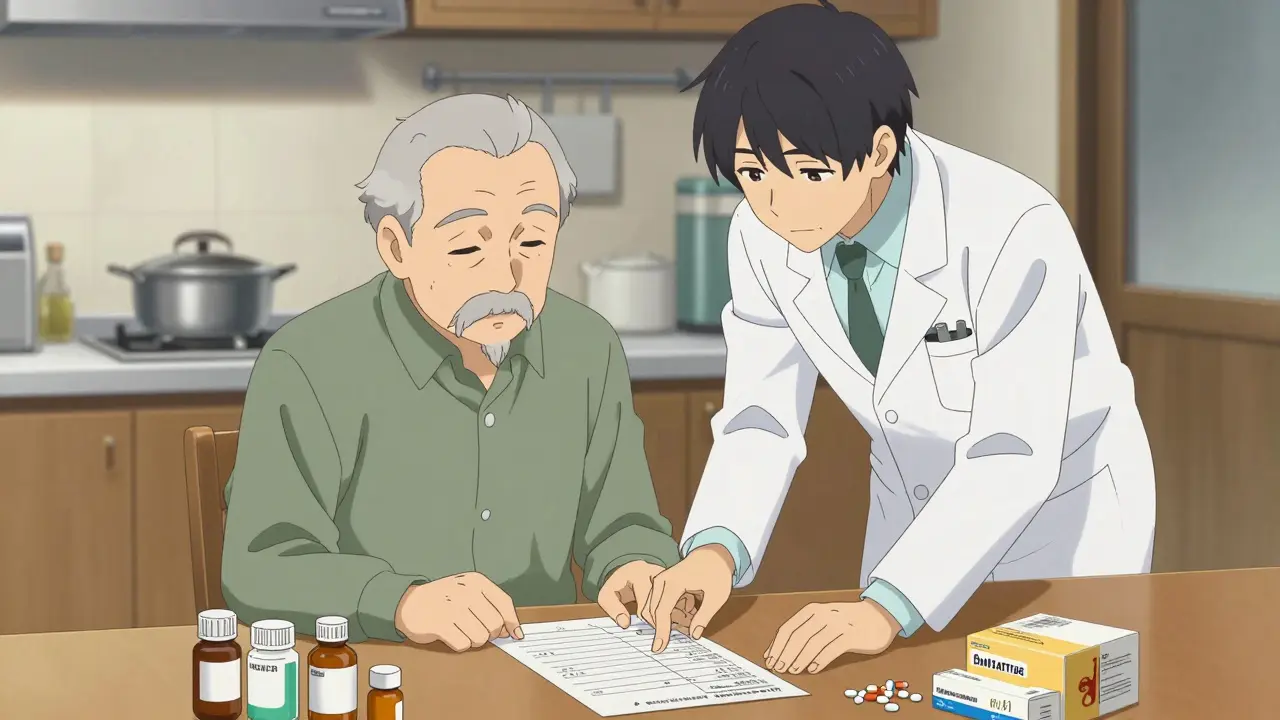
You might think reading the label would solve this problem. Unfortunately, the design of medication packaging often works against us. A 2022 FDA review found that 45% of prescription medication labels don't clearly indicate shared ingredients with OTC products. Brand names are marketing tools designed to be distinct, not informative. "Tylenol Cold," "Theraflu Severe Cold," and "DayQuil" all sound different, but they all share the same core active ingredients.
The confusion is exacerbated by the fact that many patients do not disclose their use of traditional and complementary medicines. The World Health Organization (WHO) highlights that 68% of patients don't tell their doctors about herbal supplements or alternative remedies. Some of these supplements interact with prescription drugs or contain similar active compounds, creating hidden double ingredient risks that standard electronic health records miss entirely.
Furthermore, the reliance on memory is flawed. In a fast-paced day, it’s easy to forget what you took at 9 AM when you reach for medicine at 3 PM. Without a centralized system to track intake, the burden of safety falls entirely on the patient’s recall and attention to detail-two faculties that are often compromised by illness, stress, or age.
The Power of One Pharmacy
If there is one single action you can take to reduce your risk, it is this: fill all your prescriptions at the same pharmacy. Dr. Ashkar emphasizes that pharmacy systems are specifically designed to flag drug interactions. When you use a single pharmacy, their database tracks every medication dispensed to you. If a new prescription conflicts with an existing one, the pharmacist gets an alert.
However, this protection only works if the pharmacy knows about everything you are taking. The Pharmacy Quality Alliance (PQA) Drug-Drug Interactions measure shows that pharmacy-based screening systems detect double ingredient issues with 92% accuracy when patients use a single pharmacy. That number drops to a mere 45% when patients split their prescriptions between multiple locations. By consolidating your care, you create a unified record that allows professionals to catch errors before they leave the counter.
Pharmacists are also underutilized resources. A study published in *Pharmacy Times* (2022) found that community pharmacists identify potential double ingredient issues in 87% of medication therapy management consultations. Don’t just pick up your box and leave. Ask, "Does this interact with anything else I’m taking?" Specifically mention any OTC products, vitamins, or herbal supplements you use regularly.
Building Your Defense Strategy
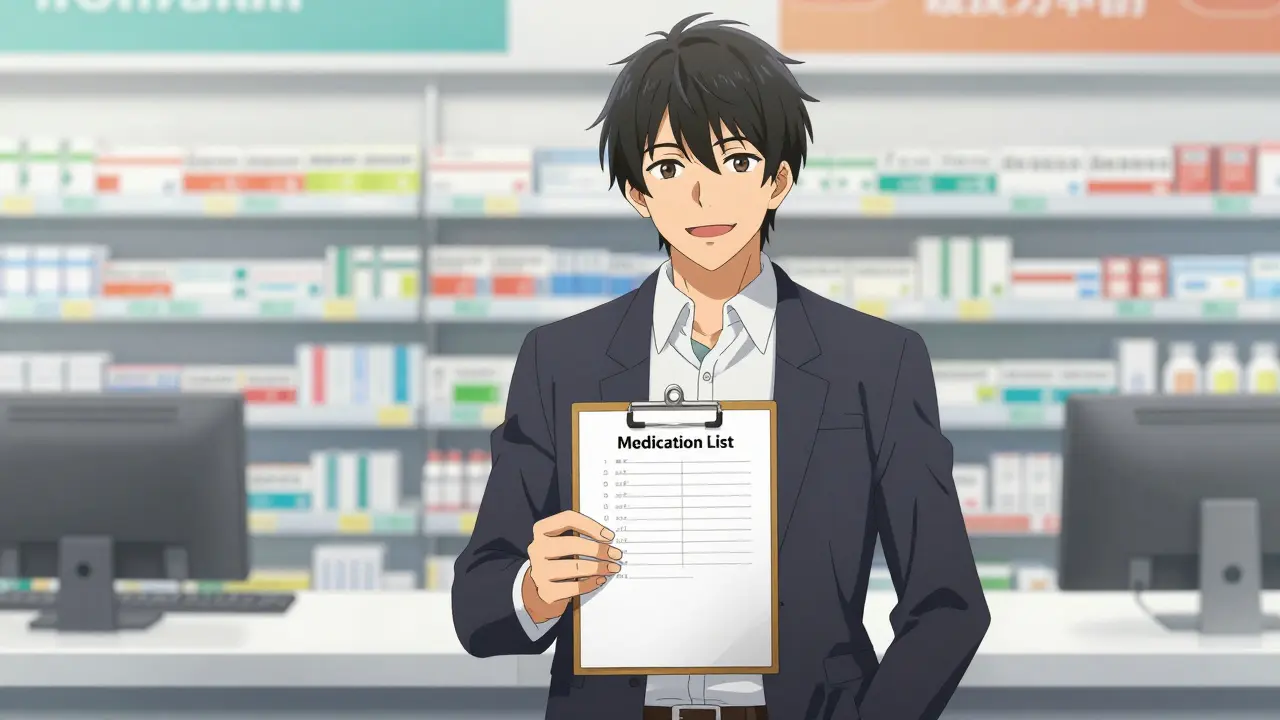
Preventing double ingredient errors requires a proactive approach. Here is a practical checklist based on recommendations from the NCCMERP and the American Academy of Family Physicians (AAFP):
- Maintain a Master List: Keep a written or digital list of all medications, including prescriptions, OTC drugs, supplements, and herbs. Include the dose, frequency, and prescribing doctor. Keep this list in your wallet and update it immediately after any change.
- Read the "Drug Facts" Panel: On OTC boxes, ignore the brand name. Look for the "Active Ingredients" section. Compare this list against your current prescriptions. If you see "acetaminophen" on both, stop.
- Annual Medication Review: Schedule a dedicated appointment with your primary care provider once a year solely to review your medications. Ask them to deprescribe any unnecessary drugs. The AAFP notes that maintaining an updated list reduces errors by 78%.
- Use Technology: Modern apps and electronic health records (EHRs) from vendors like Epic and Cerner now include "double ingredient check" functionality. If your patient portal offers this feature, enable it. Additionally, the FDA’s partnership with Apple Health in iOS 17 includes medication interaction checking that flags duplicate active ingredients.
- Disclose Everything: Never assume a doctor knows about your OTC habits. Always say, "I am also taking [Name] for [Condition]." This simple sentence can prevent a hospital visit.
The economic impact of these errors is staggering. The Agency for Healthcare Research and Quality estimates that preventable adverse drug events cost the U.S. healthcare system $42 billion annually. For the individual, the cost is measured in health, freedom, and quality of life. By treating your medication regimen with the same caution as a complex machinery operation, you protect yourself from these hidden hazards.
Recognizing the Symptoms
Even with precautions, mistakes happen. Knowing what to look for can save your life. A MedlinePlus survey documented that 61% of adults who experienced double ingredient symptoms reported specific physical signs. The most common were dizziness (38%), excessive drowsiness (32%), and gastrointestinal bleeding (12%).
If you feel unusually sleepy after taking a normal dose of allergy medicine, or if you experience sudden stomach pain after combining painkillers, seek medical attention immediately. Do not wait to see if it passes. These are signals that your body is struggling to process an overload of active ingredients. In cases of suspected acetaminophen overdose, time is critical because liver damage can occur silently before obvious symptoms appear.
Avoiding double ingredients is not about being paranoid; it’s about being precise. In a world where medications are powerful tools, precision ensures they remain healing rather than harmful. Take control of your list, talk to your pharmacist, and never underestimate the power of reading the fine print.
What is the maximum safe daily dose of acetaminophen?
For most healthy adults, the maximum recommended daily dose of acetaminophen is 3,000 to 4,000 milligrams (mg). However, exceeding 3,000 mg increases the risk of liver damage. Because many combination cold and flu medicines contain acetaminophen, it is very easy to exceed this limit accidentally. Always check the mg per pill on every product you take.
Can herbal supplements cause double ingredient issues?
Yes. Some herbal supplements contain active compounds that mimic prescription drugs or interact dangerously with them. For example, St. John's Wort can interfere with many medications, and some herbal pain relievers may contain NSAIDs or salicylates. The WHO notes that 68% of patients do not disclose supplement use, hiding these risks from their doctors.
How often should I review my medication list with my doctor?
You should conduct a full medication review at least once a year. If you start a new medication, see a new specialist, or experience side effects, schedule a review sooner. The goal is to ensure every medication has a clear purpose and does not conflict with others in your regimen.
Why is using one pharmacy safer than using multiple pharmacies?
Using a single pharmacy creates a comprehensive database of your prescriptions. Pharmacists' software automatically checks for interactions between new and existing meds. Studies show that error detection accuracy drops from 92% to 45% when patients split prescriptions across multiple pharmacies because the systems cannot communicate with each other.
What are the signs of an acetaminophen overdose?
Early symptoms may be mild or absent, which makes it dangerous. Later signs include nausea, vomiting, loss of appetite, sweating, confusion, and pain in the upper right abdomen. Liver damage can develop within days. If you suspect an overdose, seek emergency medical care immediately, even if you feel fine.


