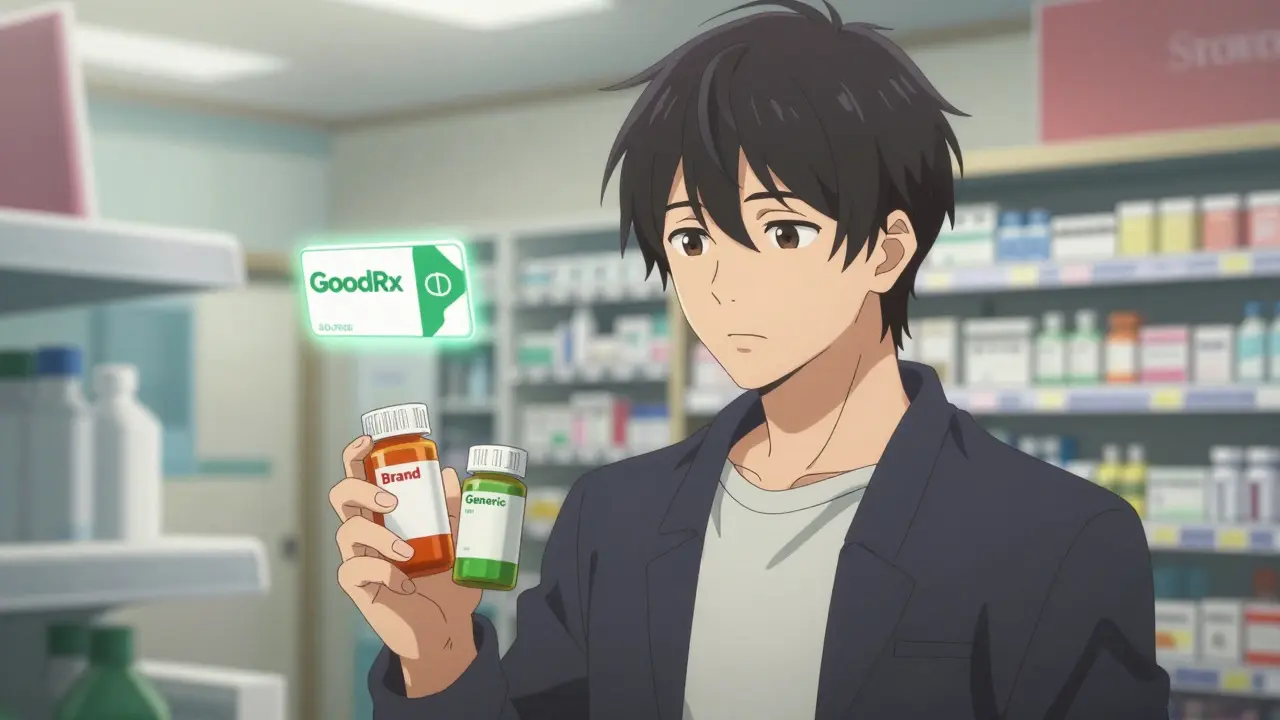
If you’ve ever stared at a pharmacy receipt and wondered how someone could pay less for the same pill, you’re not alone. Prescription discount programs and coupons promise big savings - sometimes hundreds of dollars - but do they actually work for everyone? The answer isn’t simple. It depends on what drug you’re taking, whether you have insurance, which pharmacy you use, and even which coupon you choose.
How These Programs Really Work
There are three main types of prescription discount tools: manufacturer coupons, third-party discount cards like GoodRx, and prescription assistance programs (PAPs). Each works differently, and not all are designed for the same people.Manufacturer coupons are handed out by drug companies - usually for brand-name medications. These aren’t discounts off the list price. Instead, they’re rebates that lower your copay at the pharmacy. The drug’s sticker price stays the same, but you pay less out of pocket. This helps you, but it doesn’t help the system. In fact, it can push more people toward expensive brand drugs instead of cheaper generics.
Third-party discount cards like GoodRx, Blink Health, and SingleCare are different. They negotiate cash prices directly with pharmacies. You don’t need insurance. You just show the coupon or app code at the counter, and you pay the discounted cash rate - often far below what your insurance would charge. These work best for generics. A 90-day supply of metformin, for example, can drop from $45 with insurance to $7 with GoodRx.
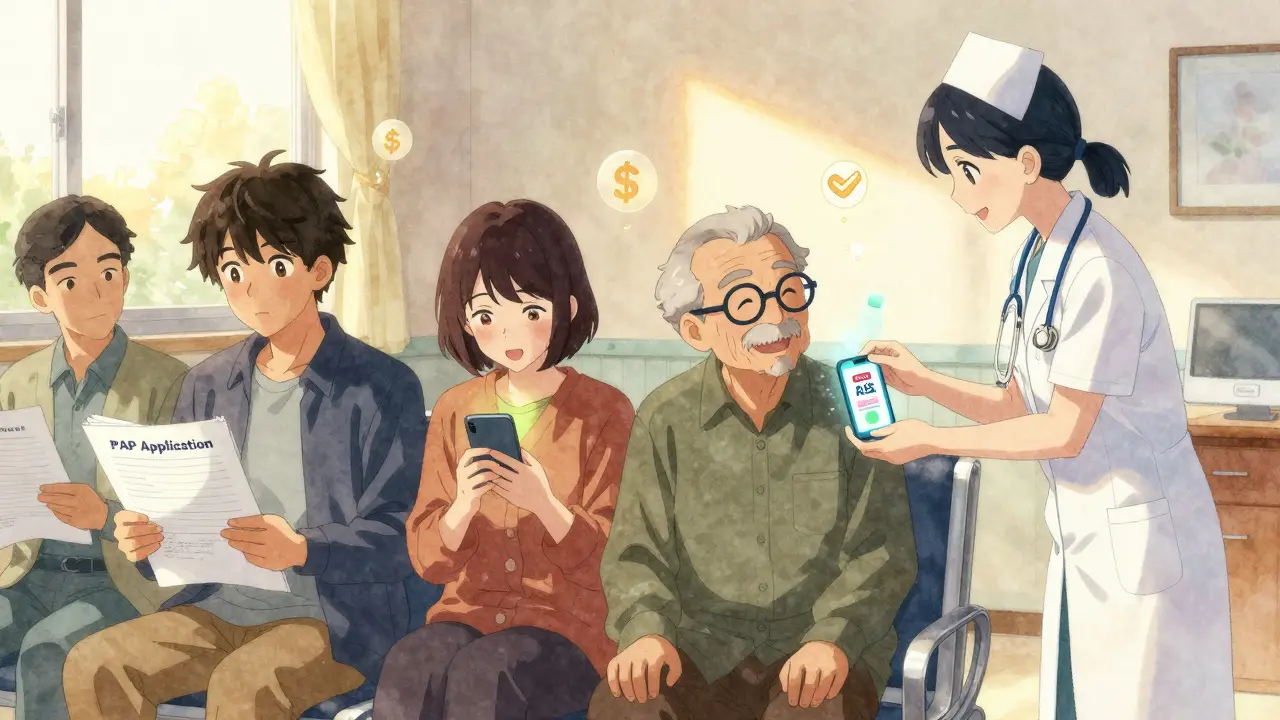
Prescription assistance programs (PAPs) are for people with little or no income. Run by nonprofits or clinics, they give free medications to qualifying patients. One Tennessee free clinic saved patients an average of $3,649 per person over 13 months. But getting into these programs takes paperwork, proof of income, and time. It’s not a quick fix.
Where the Big Savings Happen (And Where They Don’t)
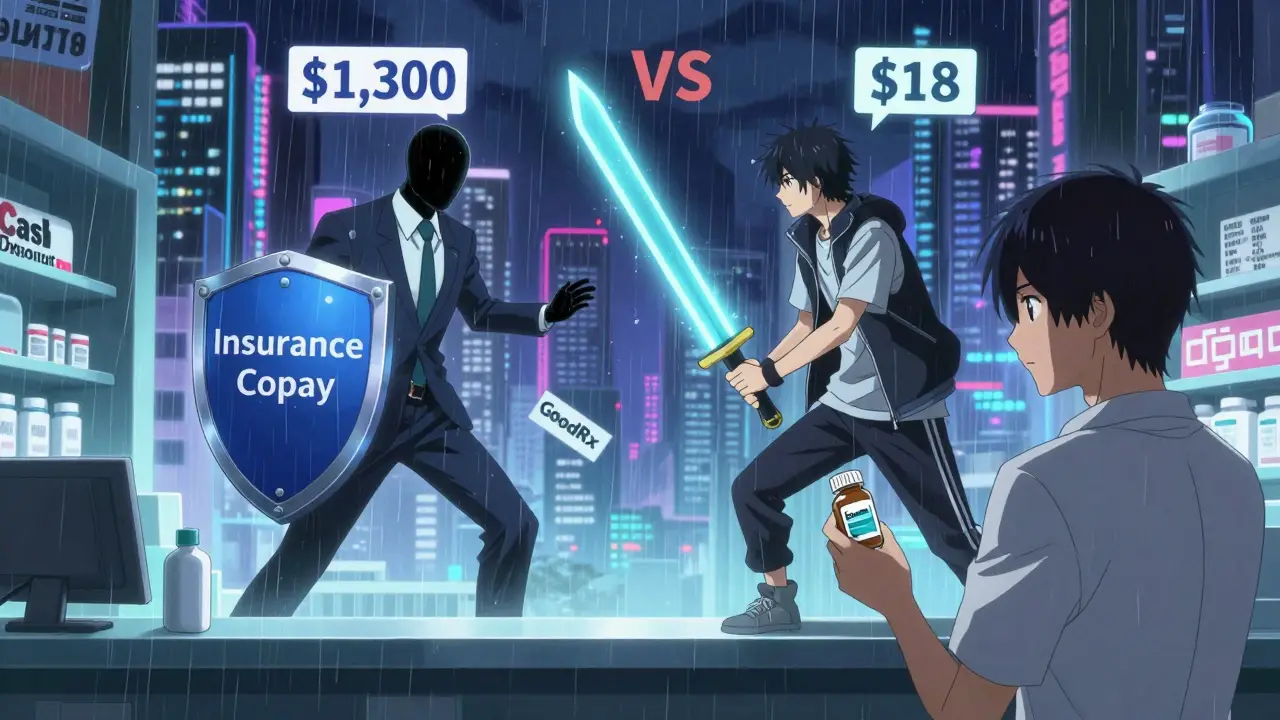
The truth? Discount programs shine with generic drugs and fall flat with brand-name ones.A 2022 study in Circulation: Cardiovascular Quality and Outcomes looked at common heart failure medications. For a 4-drug generic combo, GoodRx saved patients 65% - from $52.80 down to $18.60. But when the same study checked a brand-name version of those drugs, the savings were barely 7% - from $1,300.50 to $1,212.46. That’s $88 saved on a $1,300 bill. Not worth the hassle.
On Reddit, users report wildly different results. One person saved $47.83 on a 90-day supply of metformin using GoodRx. Another tried a coupon for Lyrica - a brand-name nerve pain drug - and saved just $1.20. The same coupon. Same pharmacy. One worked. The other didn’t.
GoodRx users gave it a 4.3 out of 5 rating on Trustpilot. The top praise? Easy app and huge savings on generics. The top complaints? Inconsistent pricing between pharmacies and tiny savings on brand drugs. If you’re paying cash for a generic, you’re likely to save big. If you’re on insurance and trying to use a coupon for a brand drug? You might be wasting your time.
Insurance vs. Discount Cards: Which Should You Use?
This is where things get confusing. Many people assume insurance always beats a discount card. That’s not true.Some insurance plans have high deductibles or copays that are higher than the cash price you’d get with GoodRx. A Blue Cross Blue Shield analysis found that 54% of members who stopped filling prescriptions because of cost ended up using discount cards - and saved an average of $18.75 per prescription compared to their insurance price.
But here’s the catch: if you’re on Medicare Part D, you can’t use manufacturer coupons at all unless your plan allows it. And even then, those coupons don’t count toward your out-of-pocket maximum. That means you might pay less now, but you’ll hit your catastrophic coverage limit slower - and pay more later.
For seniors, the choice isn’t always clear. Medicare Rights Center found that 42% of seniors using discount cards didn’t know whether to use their card or their insurance. The result? Some overpaid. Others missed out on better deals.
The Hidden Costs - What No One Tells You
There’s a darker side to these programs. While they help individuals, they can hurt the system.Manufacturer coupons encourage patients to choose expensive brand drugs over cheaper generics. A 2024 study in JAMA Network Open found that when coupons were used, generic drug sales dropped by up to 60%. That’s not just bad for your wallet - it’s bad for the whole healthcare system. The Congressional Budget Office estimates these coupons could add $2.7 billion to Medicare Part D spending each year.
Pharmacists often don’t know how to handle these coupons. One in four users reported confusion at the counter. Some pharmacists refuse coupons outright. Others don’t know how to process them. That means you might need to call ahead, print the coupon, or even go to a different pharmacy.
And then there’s the time cost. Signing up for a manufacturer coupon can take 10 minutes. Comparing prices on GoodRx might take another 15. For someone with chronic illness, that’s extra stress on top of everything else.
Who Benefits the Most?
The biggest winners? People without insurance. People with high-deductible plans. People paying cash for generics.If you’re uninsured and need a common generic like lisinopril, atorvastatin, or levothyroxine - a discount card could cut your bill by 80%. That’s life-changing.
If you’re on Medicare and taking brand-name drugs, you’re probably not saving much. The Inflation Reduction Act’s $2,000 out-of-pocket cap in 2025 will make coupons even less useful for seniors.
If you’re commercially insured and your plan has low copays, you might not need a coupon at all. But if your copay is $50 for a $10 drug? Run a GoodRx check before you pay.
How to Use These Programs the Right Way
You don’t need to be a expert. Here’s how to save without the frustration:- For generics: Always check GoodRx or SingleCare before paying. Compare prices at 3 nearby pharmacies.
- For brand-name drugs: Skip the coupon unless your insurance won’t cover it. Ask your doctor if a generic exists.
- For expensive meds: Look up PAPs through NeedyMeds.org. If you make under 400% of the federal poverty level, you might qualify for free drugs.
- For Medicare users: Use your plan’s formulary first. Only use a discount card if the cash price is lower than your copay.
- Always ask your pharmacist: “Is there a lower price if I pay cash?” They might not offer it unless you ask.
The Future of Prescription Discounts
The landscape is changing fast. The Inflation Reduction Act is capping drug costs for seniors. States are creating drug affordability boards. Medicare is negotiating prices directly with drugmakers.That means discount programs won’t disappear - but their role will shift. In the future, the best savings will come from systems that work with insurance, not around it. Some pharmacy chains are already testing AI tools that automatically compare your insurance copay to the cash price and suggest the better option.
For now, the rule is simple: if you’re paying cash for a generic, use a discount card. If you’re on insurance and your copay is low, stick with your plan. And if you’re struggling to afford your meds - ask. There are programs out there that give drugs for free. You just have to look.


