Steroid Side Effect Risk Calculator
Your Risk Assessment
Personalized Recommendations
When your body is fighting inflammation - whether from rheumatoid arthritis, an allergic reaction, or a flare-up of lupus - your doctor might prescribe prednisone or prednisolone. These aren’t just any pills. They’re powerful synthetic steroids that calm your immune system fast. But they come with a price. The side effects aren’t rare. They’re common. And they don’t always go away when you stop taking them.
What’s the Difference Between Prednisone and Prednisolone?
At first glance, they look the same. Both are corticosteroids. Both reduce swelling and suppress immune activity. But here’s the key: prednisone is a prodrug. Your liver has to turn it into prednisolone before it works. If your liver is healthy, that’s no problem. But if you have cirrhosis, hepatitis, or severe liver damage, your body can’t convert it properly. In those cases, doctors skip prednisone entirely and prescribe prednisolone directly.
For most people, 5 mg of prednisone equals 5 mg of prednisolone in effect. But prednisolone kicks in about 1.8 times faster in people with normal liver function. That’s why pediatricians often choose prednisolone for kids with inflammatory bowel disease - it’s more predictable. Rheumatologists, on the other hand, tend to reach for prednisone more often, especially for lupus.
Short-Term Side Effects: What Happens in the First Few Weeks
If you’re on these meds for less than three weeks, you’re likely dealing with short-term effects. They’re annoying, sometimes scary, but usually temporary. The most common ones? Insomnia, increased hunger, mood swings, and fluid retention.
Studies show 68% of users report trouble sleeping. That’s not just tossing and turning - it’s lying awake at 3 a.m. with your heart racing. The fix? Take your dose before 2 p.m. That simple rule cut sleep problems in half in one Mayo Clinic trial.
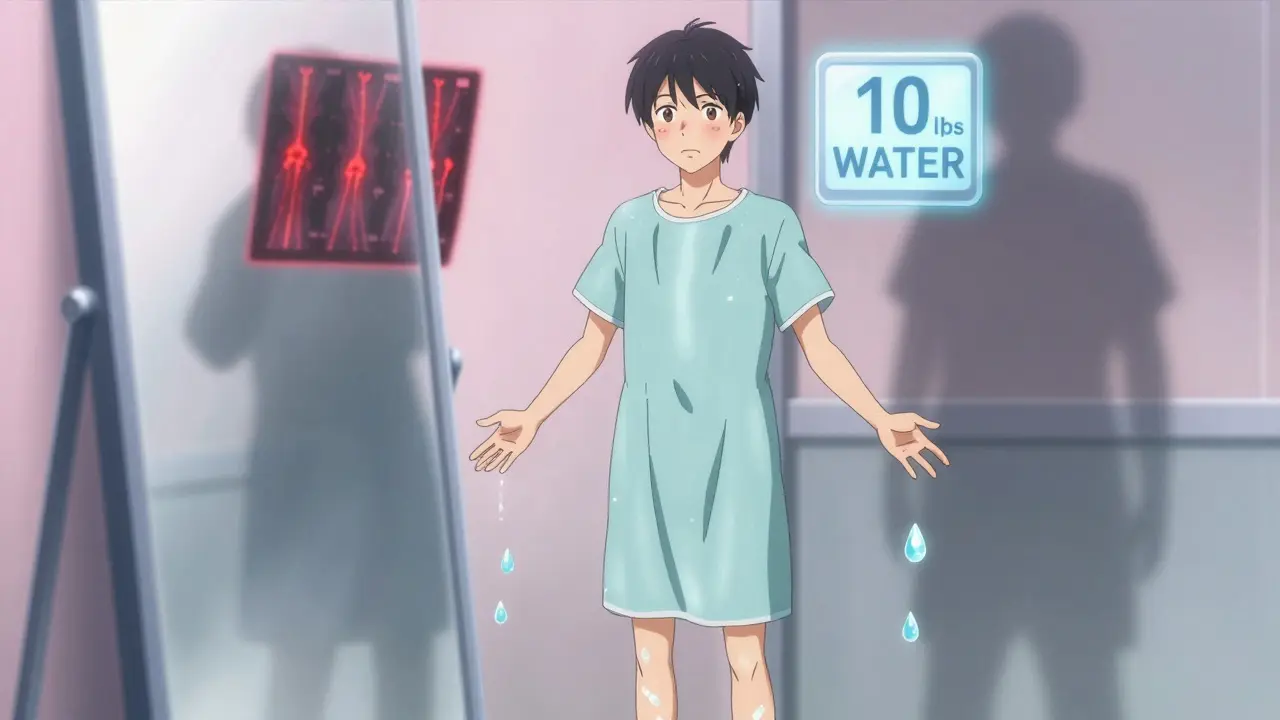
Then there’s the hunger. You’re not lazy. You’re not weak. Your brain thinks you’re starving. You might eat a whole pizza just because you feel empty. That’s steroid-induced appetite, and it’s real. Combine that with fluid retention - your ankles swell, your face puffs up (what people call “moon face”), and you gain weight fast. Not fat. Water. But it looks like you’ve gained 10 pounds overnight.
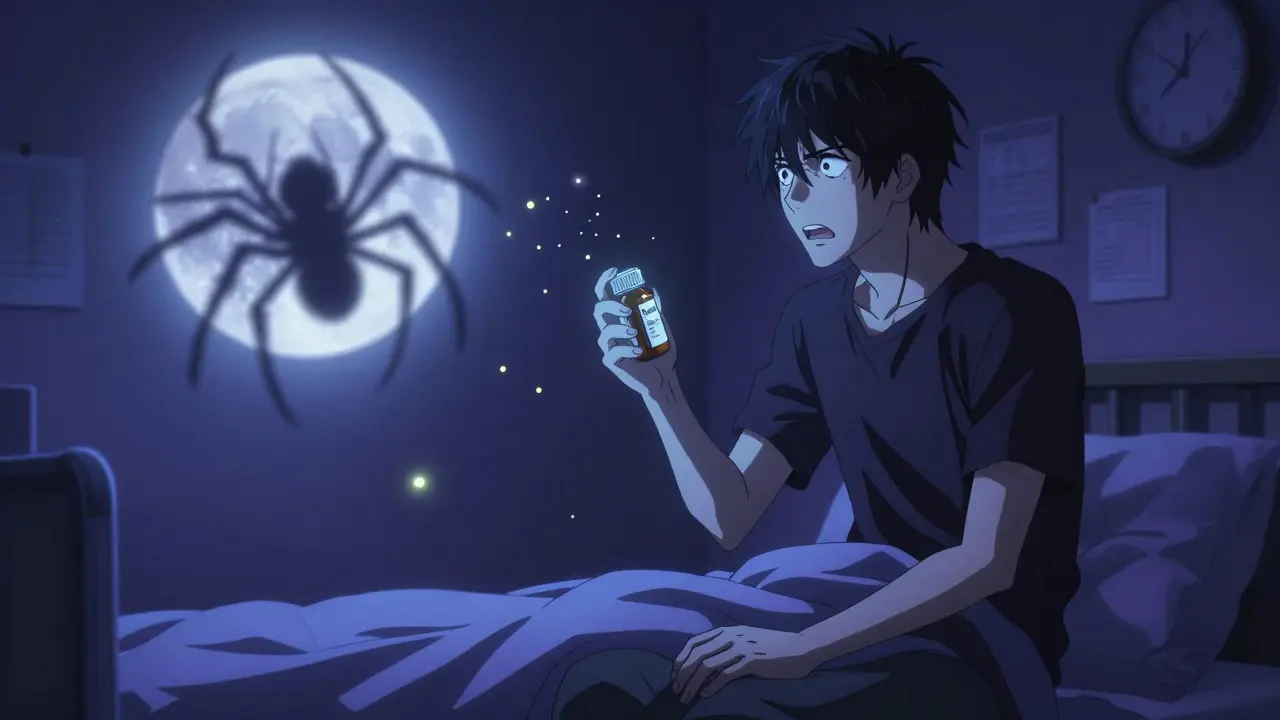
Mood changes are another big one. Some people feel euphoric. Others get angry, anxious, or depressed. In rare cases, at doses above 40 mg daily, people develop steroid psychosis - hallucinations, paranoia, irrational fear. One Reddit user described calling 911 because he thought spiders were crawling on his walls. They weren’t. But his brain believed it.
Other short-term effects include headaches, dizziness, sweating more than usual, and a metallic taste in your mouth. These usually fade within a week or two after stopping the drug. But don’t stop cold turkey. That’s when things get dangerous.
Long-Term Side Effects: The Hidden Costs
Take prednisone or prednisolone for more than three months, and the risks shift. The short-term annoyances fade. The serious ones take over.
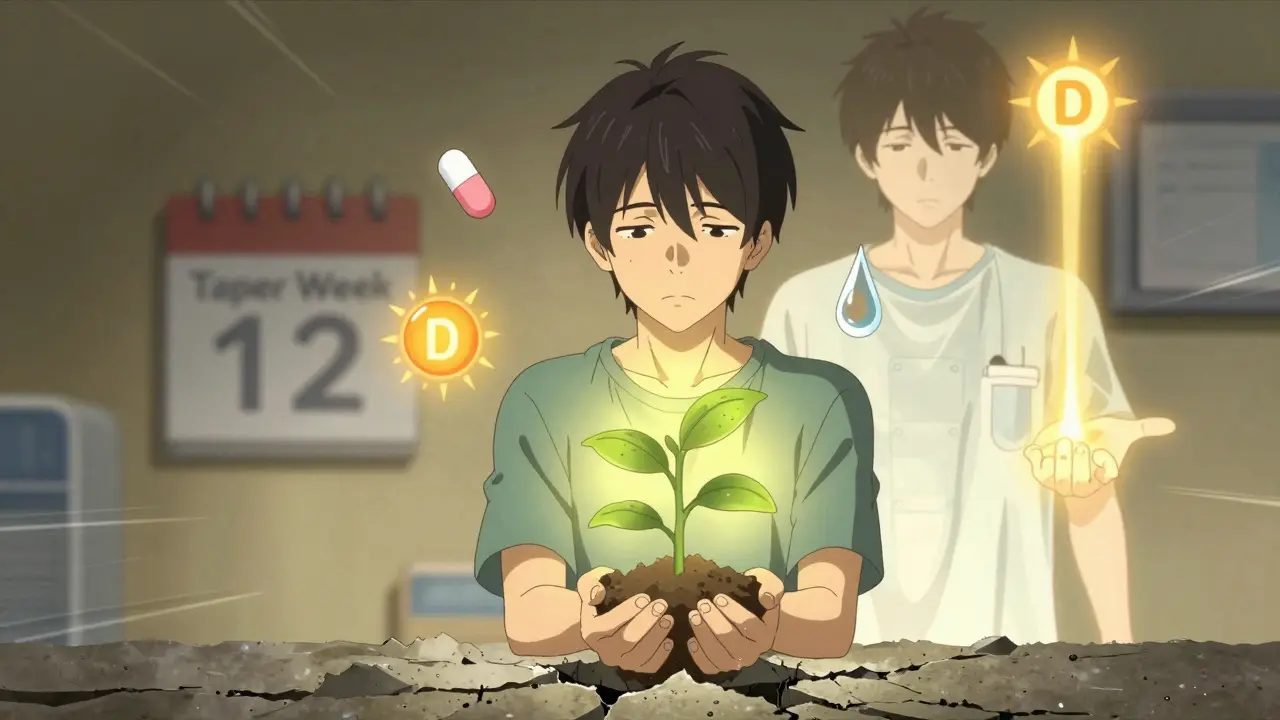
One of the most feared outcomes is osteoporosis. After two years of use, 63% of long-term users develop bone loss severe enough to increase fracture risk. That’s not just “a little weaker bones.” That’s broken hips, crushed vertebrae, permanent disability. The European League Against Rheumatism says if you’re on more than 5 mg daily for over three months, you need a bone density scan. And you need calcium, vitamin D, and weight-bearing exercise - not just pills.
Then there’s diabetes. Steroids make your liver dump glucose into your blood. Even if you’ve never had high blood sugar before, 54% of people on 20 mg or more daily will develop steroid-induced hyperglycemia. Your doctor should check your blood sugar every few weeks. If you’re prediabetic, this can push you into full-blown diabetes.
Cataracts are another long-term problem. About 41% of people on chronic steroids need cataract surgery. It’s not rare. It’s expected. Glaucoma risk also climbs. Eye pressure builds slowly. You won’t feel it until your vision is damaged.
And then there’s adrenal suppression. Your body stops making its own cortisol because the pills are doing the job. If you stop suddenly, your body can’t jump back in. That’s adrenal crisis - low blood pressure, vomiting, confusion, even death. That’s why you never quit cold turkey. You taper. Slowly. Over weeks or months.
Children are especially vulnerable. Every 0.2 mg per kg of body weight per day of prednisolone slows growth by 1.2 cm per year. That’s not a small difference. That’s inches lost over time. Pediatricians monitor height every three months. If growth slows too much, they lower the dose or switch to something else.
Who Should Avoid These Drugs?
Not everyone can take them safely. If you have:
- Active infections like tuberculosis or fungal infections
- Uncontrolled diabetes
- Severe liver disease (Child-Pugh class C)
- Recent stomach ulcers or gastrointestinal bleeding
- History of psychosis or severe mental illness
- Glaucoma or cataracts already
Then your doctor needs to weigh the risks carefully. Prednisolone might be safer than prednisone if your liver is weak. But even then, it’s not risk-free.
How to Manage the Side Effects
You don’t have to suffer through this alone. There are proven ways to reduce the damage.
For bone health: Take 1,200 mg of calcium and 800-1,000 IU of vitamin D daily. Walk 30 minutes a day. Lift light weights. These simple steps can preserve 22% more bone density than doing nothing.
For blood sugar: Avoid sugary drinks, white bread, and processed snacks. Eat protein with every meal. Monitor your glucose if you’re on 20 mg or more.
For fluid retention: Cut sodium to under 2,000 mg per day. That means no canned soup, no fast food, no soy sauce. Eat bananas, spinach, sweet potatoes - foods high in potassium to balance out the sodium loss.
For stomach protection: If you’re on more than 5 mg daily for over four weeks, you should be on a proton pump inhibitor like omeprazole. It cuts your risk of ulcers from 8.3% down to 1.2%.
For sleep: Take your dose before 2 p.m. No exceptions. Even if you’re on a once-daily schedule, timing matters.
For mood: Talk to your doctor if you feel anxious, irritable, or depressed. Sometimes a low dose of an antidepressant helps. Don’t ignore it.
When to Call Your Doctor
Don’t wait until something breaks. Call your doctor if you notice:
- Sudden vision changes
- Severe abdominal pain (could be pancreatitis)
- Unexplained bruising or skin thinning
- Swelling in your legs or feet that doesn’t go down
- Confusion, hallucinations, or thoughts of self-harm
- Fever, chills, or signs of infection - steroids hide symptoms
These aren’t side effects you can tough out. They’re warning signs.
The Bigger Picture: Why Doctors Still Prescribe Them
Yes, the side effects are serious. But here’s the truth: without these drugs, people die.
In giant cell arteritis, prednisone cuts the risk of blindness from 30% to under 5%. In severe asthma attacks, it can prevent ICU admission. In autoimmune diseases like vasculitis or lupus, it’s often the only thing that stops organ damage.
A 2023 survey of 500 rheumatologists found 94% consider these medications indispensable. Why? Because nothing else works as fast. Biologics are great for long-term control, but they take weeks to kick in. Steroids work in hours.
The goal isn’t to avoid them. It’s to use them wisely. Lowest dose. Shortest time. Best monitoring. That’s the standard.
What’s New in 2026?
The FDA approved a new delayed-release prednisone in 2023 called Deltacorten. It releases the drug later in the night, so your body gets cortisol when it needs it most - early morning. Early results show 32% fewer mood swings and less insomnia.
Researchers are also testing a new class of drugs called selective glucocorticoid receptor modulators. These aim to keep the anti-inflammatory power without the weight gain, bone loss, or blood sugar spikes. Early trials show a 60% reduction in metabolic side effects. They’re not on the market yet - but they’re coming.
For now, prednisone and prednisolone remain the backbone of acute inflammatory treatment. The key isn’t fear. It’s awareness. Know the risks. Track your symptoms. Work with your doctor. Don’t let the side effects steal your life - manage them before they do.
Can I stop prednisone or prednisolone if I feel better?
No. Stopping suddenly can trigger adrenal crisis - a life-threatening drop in cortisol. Even if you feel fine, your body may have stopped making its own steroid. You must taper slowly under medical supervision. The minimum taper is 2-4 weeks, but for long-term users, it can take months.
Is prednisolone safer than prednisone?
They’re equally effective and carry the same side effects. The difference is in how your body processes them. Prednisone needs liver conversion. If your liver is damaged, prednisolone is safer because it’s already active. For people with healthy livers, there’s no significant safety advantage to either.
Do these drugs cause weight gain permanently?
The water weight and increased appetite usually reverse within weeks of stopping. But if you gained fat because you ate more, that can stick around. The key is managing diet and activity while on the medication. Once you’re off, your metabolism returns to normal - but only if you don’t keep eating like you’re still on steroids.
Can prednisone cause mental health problems?
Yes. Mood swings, anxiety, depression, and even psychosis are documented side effects, especially at doses above 40 mg daily. These aren’t signs of weakness - they’re chemical effects on the brain. If you experience paranoia, hallucinations, or suicidal thoughts, contact your doctor immediately. Don’t wait.
Are there natural alternatives to prednisone?
There are no natural substitutes that work the same way. Turmeric, ginger, or omega-3s may help reduce mild inflammation, but they won’t stop a severe autoimmune flare or prevent organ damage. Steroids are irreplaceable for acute, life-threatening inflammation. The goal is to use them as little as possible - not to avoid them entirely.
How long do side effects last after stopping?
Short-term effects like insomnia, appetite changes, and mood swings usually fade within 1-2 weeks. Bone loss, cataracts, and adrenal suppression can be permanent. That’s why monitoring doesn’t stop when you do. Follow up with your doctor for bone scans, eye checks, and adrenal function tests if you were on long-term therapy.
Can I drink alcohol while taking prednisone or prednisolone?
It’s not recommended. Alcohol increases the risk of stomach ulcers and liver damage - both already heightened by these steroids. It also worsens mood swings and can interfere with sleep. If you choose to drink, limit it to one drink occasionally. Avoid binge drinking entirely.
Is it safe to take prednisone during pregnancy?
Prednisone is considered relatively safe in pregnancy compared to other steroids, especially for managing autoimmune conditions like lupus. However, it can slightly increase the risk of low birth weight and cleft palate if used in the first trimester. The benefits of controlling maternal disease often outweigh the risks. Always discuss with your OB-GYN and rheumatologist before continuing or starting treatment.
Next Steps: What to Do Now
If you’re currently on prednisone or prednisolone:
- Write down every side effect you’re experiencing - even small ones.
- Ask your doctor for a bone density test if you’ve been on it longer than 3 months.
- Get your eyes checked by an ophthalmologist - don’t wait for symptoms.
- Start a low-sodium, high-protein diet and walk daily.
- Never skip a dose or double up - both can be dangerous.
- Use a pill tracker app to stay on schedule and avoid missed doses.
If you’re about to start these meds, ask your doctor: "What’s the lowest dose I can take? How long will I need it? What monitoring will I need?" Don’t accept vague answers. This isn’t a casual prescription. It’s a powerful tool - and it demands respect.


