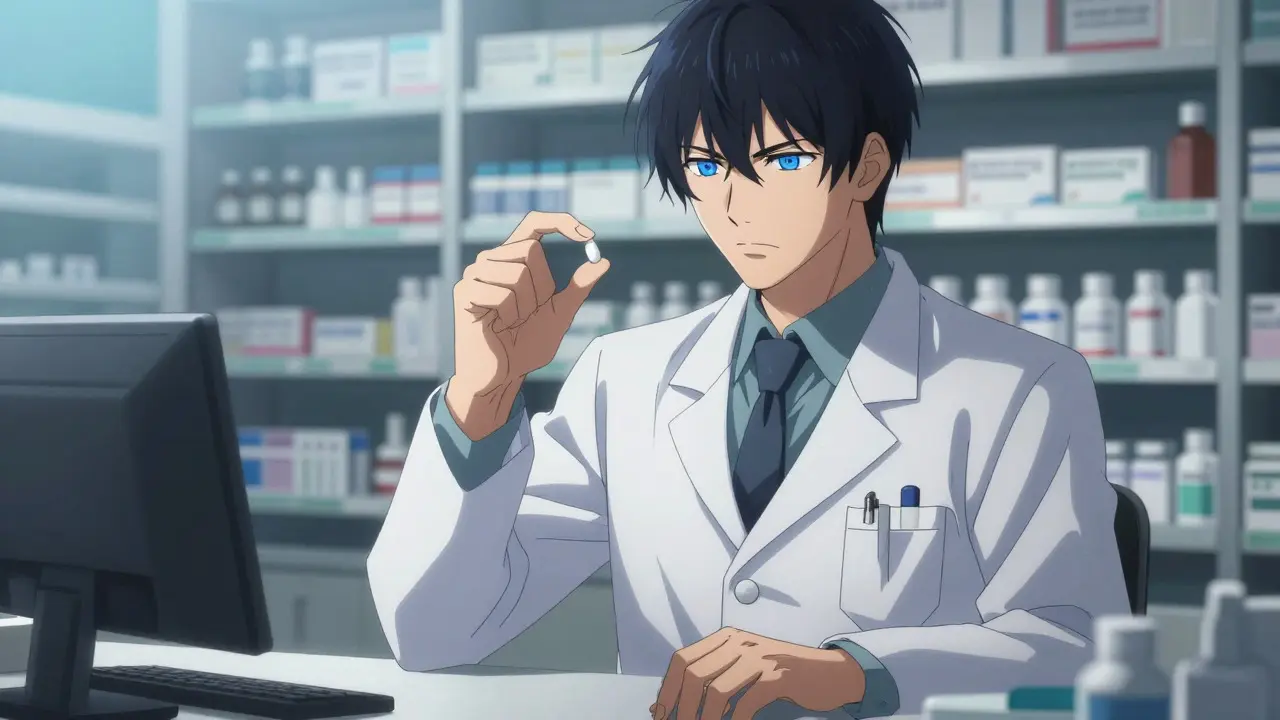
Imagine handing a patient a life-saving medication, only to find out later it contained chalk or worse-nothing at all. It sounds like a scene from a thriller, but it is a daily reality in many parts of the world. The global fight against substandard and falsified (SF) medical products has moved beyond just police raids; it now starts with education. Specifically, it starts with you-the pharmacist standing behind the counter.
The landscape of pharmaceutical security changed dramatically after the Drug Supply Chain Security Act (DSCSA), passed in the United States in 2013. This legislation didn't just create rules; it established a national standard for tracking prescription drugs through the supply chain. But laws alone don't stop criminals. They need skilled eyes on the ground. That is why specialized training programs are now critical for pharmacists worldwide, equipping them to identify threats before they reach patients.
The Scale of the Threat
To understand why this training matters, look at the numbers. In 2024, global law enforcement agencies uncovered over 6,400 incidents of pharmaceutical counterfeiting, illegal diversion, and theft. These weren't isolated events. They affected 136 countries and involved more than 2,400 distinct medicines across every therapeutic area imaginable, from common painkillers to complex oncology drugs.
The Pharmaceutical Security Institute tracks these incidents closely. Their data shows that criminal organizations are getting smarter. They target high-value products like biologics and cancer treatments. With 3,658 arrests recorded in 2024 alone, the pressure is on healthcare workers to be vigilant. You are often the last line of defense between a dangerous fake product and a vulnerable patient.
Curriculum Evolution: From Theory to Practice
Education in this field has matured significantly. For years, training was theoretical. Today, it is competency-based. A major breakthrough came in 2021 when the International Pharmaceutical Federation (FIP) partnered with the World Health Organization (WHO). Funded by the European Union, they developed a bilingual curriculum available in French and English.
This wasn't just another textbook. It was piloted with 355 pharmacy students across Cameroon, Senegal, and Tanzania. The results were measurable: students showed significant improvement in their knowledge of SF medical products. As of 2025, the WHO is finalizing an updated toolkit for member states. This new resource expands the pilot project globally, with a specific focus on the online sales of counterfeit drugs-a growing threat since 2021.
| Training Type | Key Features | Best For |
|---|---|---|
| FIP/WHO Curriculum | Academic, competency-based, bilingual | Pharmacy students & foundational knowledge |
| RxAll Technology | AI-powered spectral analysis, handheld devices | Point-of-care verification & practical use |
| TrainingNow.com FWA Course | 45-minute online, mobile-friendly, CEU credits | Regulatory compliance & quick certification |
Technology as a Teaching Tool
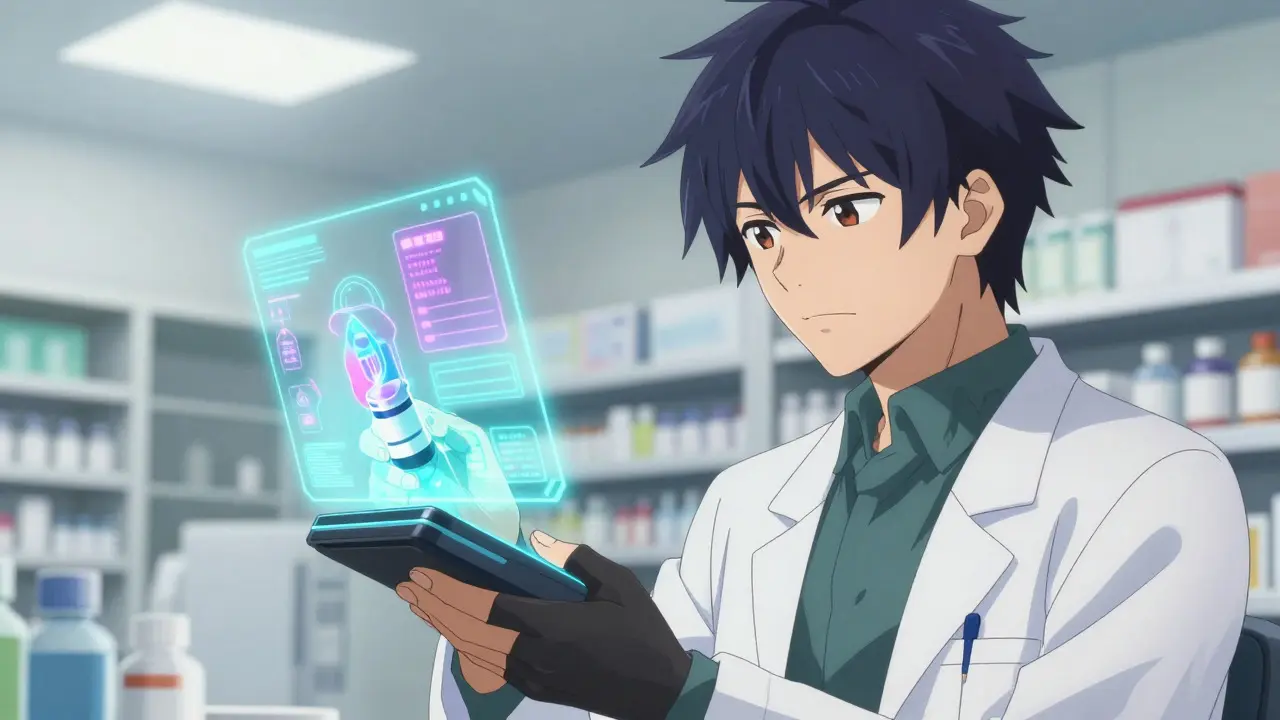
Traditional methods relied on checking physical papers and making phone calls. Those days are largely over. Modern training integrates advanced technology directly into the learning process. Take RxAll, for example. Their approach combines comprehensive education with hardware solutions. Pharmacists use handheld devices that utilize spectral analysis and AI-powered algorithms.
These tools can detect subtle differences between genuine and counterfeit drugs in seconds. Imagine holding a pill bottle and instantly knowing if the contents match the manufacturer's profile. This isn't science fiction; it's current practice in forward-thinking pharmacies. The training doesn't just teach you what a fake looks like; it teaches you how to use technology to prove it.
Community pharmacists report that these hands-on verification tools reduce verification time while boosting confidence. Instead of guessing, you have data. This shift from skepticism to certainty is crucial in high-pressure environments.
Regulatory Compliance and Continuing Education
In the United States, regulatory bodies mandate specific training. The Centers for Medicare & Medicaid Services (CMS) requires Fraud, Waste, and Abuse (FWA) training within 90 days of initial hire. While CMS no longer prescribes a specific course format since 2019, providers like TrainingNow.com offer streamlined solutions. Their 45-minute course features full audio narration and interactive scenarios, allowing pharmacists to earn CEU credits anytime, anywhere.
For certified pharmacy technicians, the PTCB-Recognized Controlled Substances Diversion Prevention Education program offers deeper dives. However, candidates must hold an active CPhT Certification before enrolling. These programs ensure that everyone in the supply chain understands their legal and ethical obligations.

Red Flags Every Pharmacist Must Know
Even with the best technology, human intuition remains vital. The Partnership for Safe Medicines emphasizes several key lessons for pharmacists:
- Skepticism toward pricing: If a medication is offered at a price drastically below the wholesale acquisition cost, question it. Criminals often lure buyers with unrealistically low prices.
- Verify distribution channels: Specialty drugs typically distribute through limited, authorized channels. Always check manufacturer websites to confirm distributor legitimacy.
- Online vigilance: With the rise of telehealth and online pharmacies, verify the source of every digital prescription. Interpol's Operation Pangea XVI in 2025 shut down approximately 13,000 illegal online platforms, showing just how pervasive this threat is.
Nakul Pasricha, President of the Authentication Solution Providers' Association (ASPA), noted that "a continued immersive awareness and education programme is crucial for healthcare workers." He stressed that vigilance isn't a one-time event; it's a mindset.
Global Collaboration and Future Trends
No single country can solve this problem alone. Interpol's Operation Pangea XVI demonstrated the power of collaboration. Police, customs, and health authorities from 90 countries worked together, resulting in 769 arrests and the seizure of 50.4 million counterfeit doses. This level of coordination requires standardized training so that a pharmacist in Durban speaks the same language as one in Detroit.
Looking ahead, we expect increased integration of AI and machine learning in verification tools. We will also see expanded training covering emerging threats like counterfeit vaccines and biologics. Pfizer’s Anti-Counterfeiting Program has already prevented over 302 million counterfeit doses from reaching patients since 2004 by training law enforcement in 183 countries. This model of cross-sector education is becoming the gold standard.
The goal is clear: protect the patient. By combining rigorous academic curricula, cutting-edge technology, and sharp observational skills, pharmacists can close the gaps in the supply chain. The criminals may never stop trying, but your education ensures you stay one step ahead.
What is the primary goal of pharmacist education on counterfeit detection?
The primary goal is to equip pharmacists with the skills to identify substandard and falsified (SF) medical products, prevent their distribution, and ultimately protect patients from potentially dangerous medications. This involves both theoretical knowledge and practical verification techniques.
How does technology aid in counterfeit drug detection?
Technology aids detection through tools like handheld devices using spectral analysis and AI-powered algorithms. For example, RxAll’s devices can instantly verify medication authenticity within seconds by detecting subtle chemical differences between genuine and counterfeit drugs, replacing older methods of visual inspection and phone verification.
What is the significance of the DSCSA in pharmacist training?
The Drug Supply Chain Security Act (DSCSA), passed in 2013, established national licensing standards for wholesale distributors and created a plan to track prescription drugs through the supply chain. It formalized the need for robust tracking systems and influenced the development of modern pharmacist training programs focused on supply chain integrity.
Are there specific red flags pharmacists should watch for?
Yes, key red flags include medications offered at prices drastically below wholesale acquisition cost, unusual packaging defects, and lack of proper documentation. Pharmacists are advised to maintain skepticism and verify authorized distributors through manufacturer websites, especially for specialty drugs.
How effective have recent global operations been against counterfeit drugs?
Recent operations have shown significant impact. For instance, Interpol's Operation Pangea XVI in 2025 involved 90 countries, resulting in 769 arrests, the dismantling of 123 criminal groups, and the seizure of 50.4 million counterfeit doses. This highlights the effectiveness of coordinated international efforts supported by trained professionals.
What role do organizations like WHO and FIP play in this training?
The World Health Organization (WHO) and International Pharmaceutical Federation (FIP) collaborate to develop competency-based curricula. Their 2021 project created a bilingual training program piloted in sub-Saharan Africa, which improved student knowledge of SF medical products. They continue to update toolkits to address emerging threats like online sales.