OTC Medication Safety Checker
How This Tool Works
Enter your current medications and check for dangerous interactions with common hidden ingredients found in unsafe supplements. Based on FDA warnings about unapproved pharmaceuticals like sildenafil, sibutramine, and phenolphthalein.
(Sexual enhancement)
(Sexual enhancement)
(Weight loss)
(Laxative)
(Pain relief)
Every year, millions of people reach for over-the-counter meds without a second thought. A pain reliever for a headache. A sleep aid after a rough night. A weight loss pill promising quick results. But what if the bottle you’re holding doesn’t tell you everything inside? What if it contains a powerful drug you didn’t ask for - one that could send you to the hospital?
What’s Really in Your Medicine Cabinet?
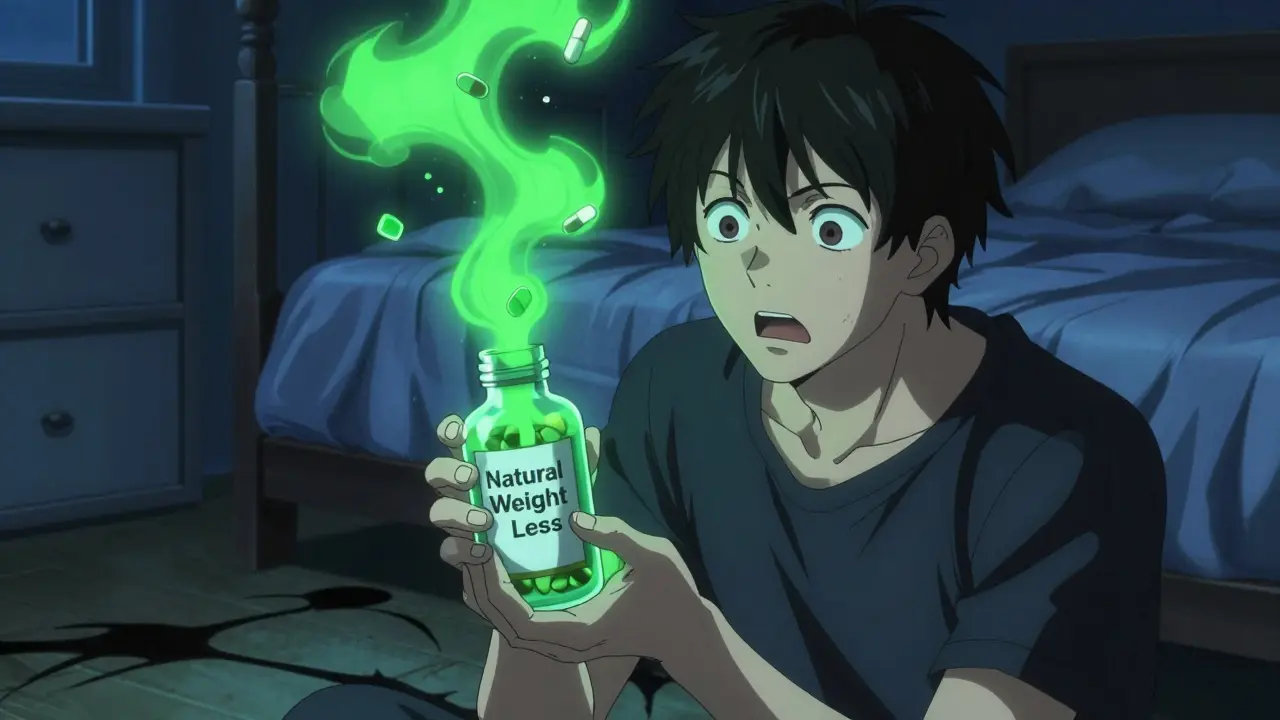
Over-the-counter supplements and medications are everywhere. In 2022, Americans spent over $44 billion on them. Many assume these products are safe because they’re sold on shelves, not behind a pharmacy counter. But that’s a dangerous assumption. The truth? Some OTC products - especially weight loss, sexual enhancement, and joint pain supplements - are laced with hidden pharmaceuticals. These aren’t mistakes. They’re deliberate. Manufacturers add prescription drugs like sildenafil (the active ingredient in Viagra), tadalafil (Cialis), or sibutramine (a banned appetite suppressant) to make their products seem more effective. Then they label them as "all-natural" or "herbal" to avoid scrutiny. A 2022 study by University of Connecticut researcher Pieter Cohen found over 1,000 supplement products between 2007 and 2021 that contained banned or unapproved drugs. Nearly half of them were sold as sexual enhancers. More than a third targeted weight loss. And 20% of those products had multiple hidden drugs inside - sometimes three or more. One joint pain supplement was found to contain six different unapproved pharmaceuticals.The Hidden Ingredients That Can Kill
Some of these hidden substances have been pulled from the market for good reason. Sibutramine, once used in weight loss pills, was banned in 2010 after a major study showed it raised the risk of heart attack and stroke by 16%. Yet it still turns up in supplements today. People take them thinking they’re getting a "natural" boost - and end up with dangerously high blood pressure. One Reddit user reported their blood pressure spiked to 180/110 after taking a "natural" weight loss pill. Lab tests later confirmed it contained sibutramine. Phenolphthalein, a laxative ingredient, was declared unsafe by the FDA in 1999 because it damages DNA and may cause cancer. Still, it showed up in 124 weight loss products between 2009 and 2021. Sexual enhancement products often contain sildenafil or tadalafil - but without proper dosing instructions. That’s a problem. If you’re already taking nitrates for heart disease, combining them with sildenafil can cause a sudden, life-threatening drop in blood pressure. The FDA has documented dozens of cases where people ended up in emergency rooms after taking these "natural" pills. Even common OTC drugs like NSAIDs (ibuprofen, naproxen) carry serious risks. They can cause stomach ulcers, kidney failure, heart attacks, and strokes. When hidden ingredients are added, those risks multiply. The American College of Gastroenterology says NSAIDs alone cause 100,000 hospitalizations and 16,500 deaths in the U.S. every year. Add in unlisted drugs, and the numbers could be far worse.Real People, Real Consequences
These aren’t theoretical risks. Real people are getting hurt. The FDA has recorded cases of men suffering priapism - painful, prolonged erections lasting more than four hours - after taking "sexual enhancement" supplements. Without emergency treatment, this can lead to permanent tissue damage. In 2020, a dangerous social media trend called the "Benadryl challenge" spread among teens. They took massive doses of diphenhydramine (the active ingredient in Benadryl) to hallucinate. Three died. Many others were hospitalized with seizures, irregular heart rhythms, and extreme confusion. One woman in her 60s took a "natural" joint pain supplement for months. She didn’t tell her doctor because she thought it was harmless. When she went in for a routine checkup, her liver enzymes were through the roof. Testing revealed the supplement contained hidden acetaminophen - enough to cause acute liver failure. She needed a transplant. Consumer Reports collected 273 adverse event reports linked to contaminated supplements between 2015 and 2020. Common complaints? Rapid heartbeat, severe nausea, allergic reactions to unknown substances, and sudden dizziness.
Why Is This Still Happening?
The system is broken. Under the Dietary Supplement Health and Education Act of 1994, supplement makers don’t need FDA approval before selling their products. The burden is on the government to prove something is dangerous - not on the company to prove it’s safe. The FDA has only 17 full-time staff members dedicated to overseeing the entire dietary supplement industry. Meanwhile, the market is worth $55 billion and growing fast. Companies exploit this gap. They change product names slightly after a warning is issued. They sell through online marketplaces where oversight is nearly nonexistent. A 2023 NIH analysis showed that 57% of contaminated products were first identified between 2012 and 2016 - meaning the problem isn’t slowing down. It’s accelerating. Worse, only 0.3% of adverse events from supplements are ever reported to the FDA. Most people don’t connect their symptoms to a supplement. Or they don’t know where to report it. That means the real number of injuries is likely hundreds of times higher than official records show.How to Protect Yourself
You don’t have to be a victim. Here’s how to stay safe:- Check the FDA’s Health Fraud Product Database. Search the exact name of any supplement before buying. If it’s listed, don’t touch it. If it’s not listed, that doesn’t mean it’s safe - just that it hasn’t been caught yet.
- Avoid "miracle" claims. If a product promises "instant weight loss," "guaranteed sexual performance," or "cures arthritis in days," it’s almost certainly adulterated. Legitimate supplements don’t work that way.
- Look for third-party seals. USP, NSF International, and ConsumerLab.com test products for contaminants and label accuracy. These aren’t perfect, but they’re far better than nothing.
- Use the 5-5-5 rule. Before buying any OTC product: spend 5 minutes Googling it, 5 minutes checking the FDA database, and 5 minutes talking to your pharmacist.
- Keep a full medication list. Write down every pill, powder, and drop you take - including vitamins, herbal teas, and supplements. Show it to every doctor, nurse, and pharmacist you see. Studies show 63% of dangerous drug interactions happen because patients didn’t disclose their supplement use.
- Be extra careful if you’re over 65. Older adults take an average of nearly five prescription medications. Adding unlisted drugs to that mix is a recipe for disaster.