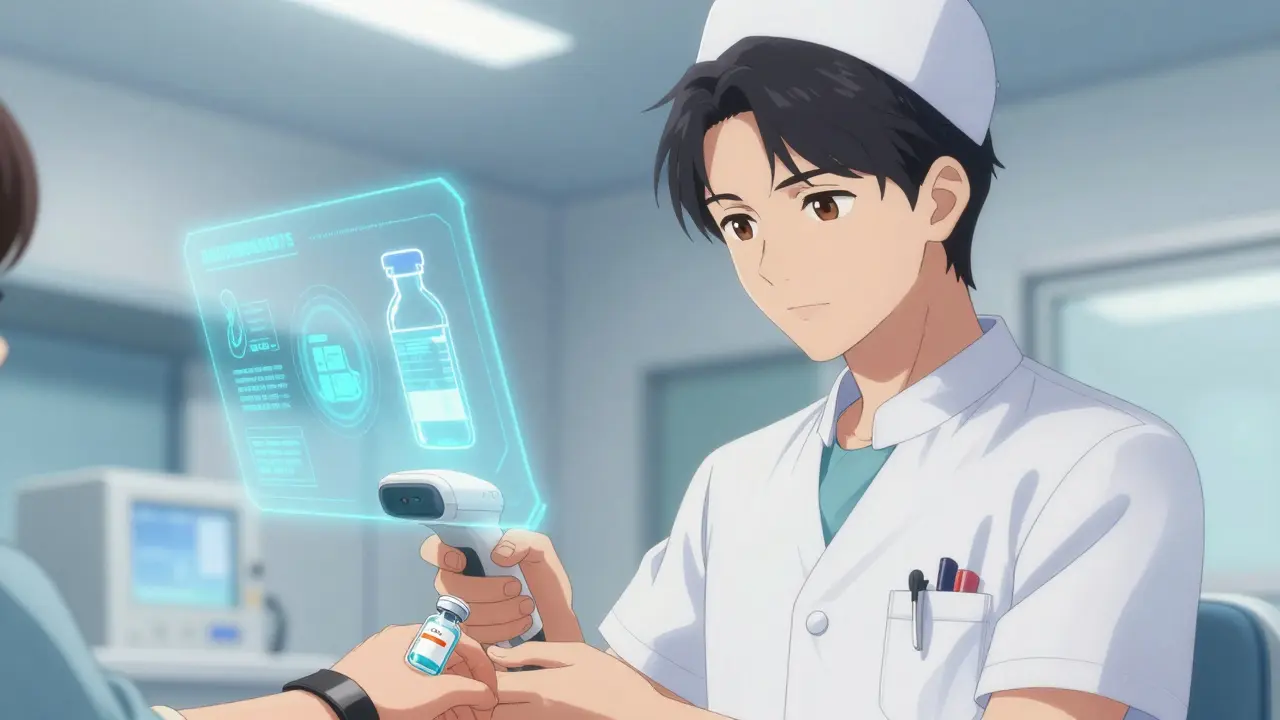
Imagine a nurse scanning a wristband and a vial of medicine, only for the computer to beep loudly because the dose is slightly off. Or picture an elderly parent at home, staring at five different orange pill bottles, wondering if they already took their blood pressure medication this morning. These aren't just "oops" moments; they are systemic failures. Whether it happens in a high-tech ICU or a quiet living room, medication safety is the practice of ensuring the right patient receives the right dose of the right drug via the right route at the right time.
The stakes are incredibly high. The World Health Organization (WHO) has pointed out that these preventable events cause billions of dollars in healthcare costs and, more tragically, thousands of avoidable deaths every year. In the U.S. alone, it's estimated that at least 1.5 million people are harmed annually by medication errors. But here is the good news: most of these mistakes are preventable if we stop treating them as individual failures and start treating them as system flaws.
The High-Tech Shield: Preventing Errors in Hospitals
Hospitals are chaotic environments. Between shift changes and emergency codes, it is easy for a decimal point to be misplaced or a drug to be misread. To fight this, modern medicine has moved toward automated safeguards. One of the most effective tools is Barcode Medication Administration, or BCMA, a system where clinicians scan barcodes on both the patient's wristband and the medication packaging to verify a match before administration. Recent data from 2025 shows that BCMA can slash dispensing error rates by nearly 44%, with some specific errors, like monitoring mistakes, dropping by over 92%.
Another critical layer of defense is Computerized Physician Order Entry (CPOE). Instead of relying on handwritten notes that might look like scribbles, doctors enter orders directly into a computer. These systems often include clinical decision support that flags potential drug interactions or incorrect dosages. When used correctly, CPOE can reduce hospital medication errors by 50%.
However, technology isn't a magic wand. We often see something called "alert fatigue." This happens when a computer beeps so often for minor issues that nurses and doctors start ignoring the warnings. Research indicates that up to 42% of clinicians bypass these alerts. If the system screams wolf too often, people stop listening, which can lead to the very errors the technology was meant to prevent.
| Technology | Primary Function | Est. Error Reduction | Main Drawback |
|---|---|---|---|
| BCMA | Point-of-care verification | 44% (Dispensing) | Workflow delays/workarounds |
| CPOE | Digital ordering & flags | ~50% (General) | Alert fatigue |
| Med Rec | Transition auditing | High (at transitions) | Poor accuracy at discharge |
The Danger Zone: Transitions of Care
The most dangerous time for a patient isn't necessarily while they are in a hospital bed, but when they are moving. Moving from the ER to a ward, or from the hospital back to home, is where Medication Reconciliation becomes vital. This is essentially a formal "double-check" where a healthcare provider creates the most accurate list possible of all medications a patient is taking-including prescriptions, over-the-counter meds, and herbal supplements.
When pharmacists lead this process, the risk of adverse events drops significantly. The problem is that many facilities still fail at the discharge phase. A patient might be told to stop taking a home medication and start a hospital version, but if that isn't clearly documented and communicated, the patient might accidentally take both, leading to a toxic overdose or a severe interaction.
Taking Control: Preventing Errors at Home
At home, we don't have barcode scanners or pharmacists standing by. The responsibility shifts to the patient and their caregivers. For people aged 75 and older, especially those dealing with Polypharmacy the concurrent use of five or more medications, the risk of error skyrockets. In fact, 89% of home medication errors involve this specific group.
Many people reach for pill organizers or blister packs, but they aren't a cure-all. While they help, some studies show that 72% of seniors using these organizers still experience at least one dosing error a month. The most common culprit? Confusion between different containers.
To actually make a difference at home, you need a system based on simplicity and verification:
- Simplify the Schedule: Try to keep daily doses to three or fewer. The more complex the timing, the more likely a dose is to be missed.
- Use Single-Dose Packaging: This can reduce errors by about 28% because the medication is pre-sorted for the exact time and date.
- Schedule Pharmacist Reviews: Weekly medication reviews with a professional pharmacist can reduce home errors by 37% in elderly patients.
- Create a "Master List": Keep a physical and digital list of every drug, the dose, and why you are taking it. Carry this list to every single appointment.
The Rising Threat of Falsified Medicines
We also have to talk about the "invisible" error: the fake drug. With the rise of online shopping, many people are tempted by cheap medications from websites that look official. But here is a scary stat: approximately 95% of online pharmacies selling prescription drugs without a valid prescription operate illegally. Many of these sites use symbols like maple leaves or the word "Canada" in their URLs to trick you into thinking they are legitimate.
Taking a falsified drug is a medication error in itself. These pills might contain the wrong active ingredient, no active ingredient at all, or even poisonous fillers. The only way to prevent this is to buy from pharmacies that are verified and licensed by national health authorities.
High-Alert Medications: Where the Margin is Zero
Not all drugs are created equal in terms of risk. There is a category called "high-alert medications"-drugs that, when messed up, are far more likely to cause severe harm or death. These typically include:
- Insulin: A small dosing error can lead to life-threatening hypoglycemia.
- Anticoagulants: These blood thinners can cause internal bleeding if the dose is too high.
- Opioids: Overdosing can lead to respiratory failure and death.
These specific drugs account for about 62% of all severe medication errors. For these, "double-checking" isn't just a suggestion; it's a requirement. In hospitals, this often means two nurses must independently verify the dose before it is administered.

The Future: AI and Blockchain
We are moving toward a world where AI helps us predict errors before they happen. Some health systems are already piloting predictive analytics that flag high-risk prescribing patterns, reducing those errors by over 50% in early trials. Meanwhile, blockchain technology is being tested to track the supply chain of drugs. If every step from the factory to the pharmacy is recorded on an unchangeable ledger, the problem of falsified drugs could virtually disappear.
But remember, technology is just a tool. The best prevention strategy is a culture of safety where patients feel empowered to ask, "Why am I taking this?" and "Is this the right dose?" when they see something that doesn't look right.
What is the most common cause of medication errors at home?
For elderly patients, the most common causes are incorrect timing (41%) and wrong dosage (33%). This is often exacerbated by polypharmacy, where a patient is taking five or more medications simultaneously, leading to confusion and missed doses.
Can technology actually cause more medication errors?
Yes, if implemented poorly. "Workarounds" occur when staff find the technology too slow or annoying (like constant beeping), leading them to bypass safety steps. Additionally, alert fatigue can cause clinicians to ignore critical warnings because the system produces too many insignificant alerts.
How can I tell if an online pharmacy is fake?
Be wary of pharmacies that don't require a prescription, offer prices that seem too good to be true, or use generic imagery (like maple leaves) to imply they are from Canada. Most illegal pharmacies operate without a physical address or a verified license from a recognized health board.
What are 'high-alert' medications?
High-alert medications are drugs that have a high risk of causing significant patient harm when used in error. Examples include insulin, anticoagulants, and opioids. Because these drugs have a narrow therapeutic index, small mistakes in dosing can lead to critical outcomes.
What is medication reconciliation and why does it matter?
Medication reconciliation is the process of creating a comprehensive and accurate list of all medications a patient is taking across all settings. It is crucial during "transitions of care" (like moving from hospital to home) to prevent patients from taking duplicate drugs or missing a vital dose due to miscommunication.
Next Steps for Better Safety
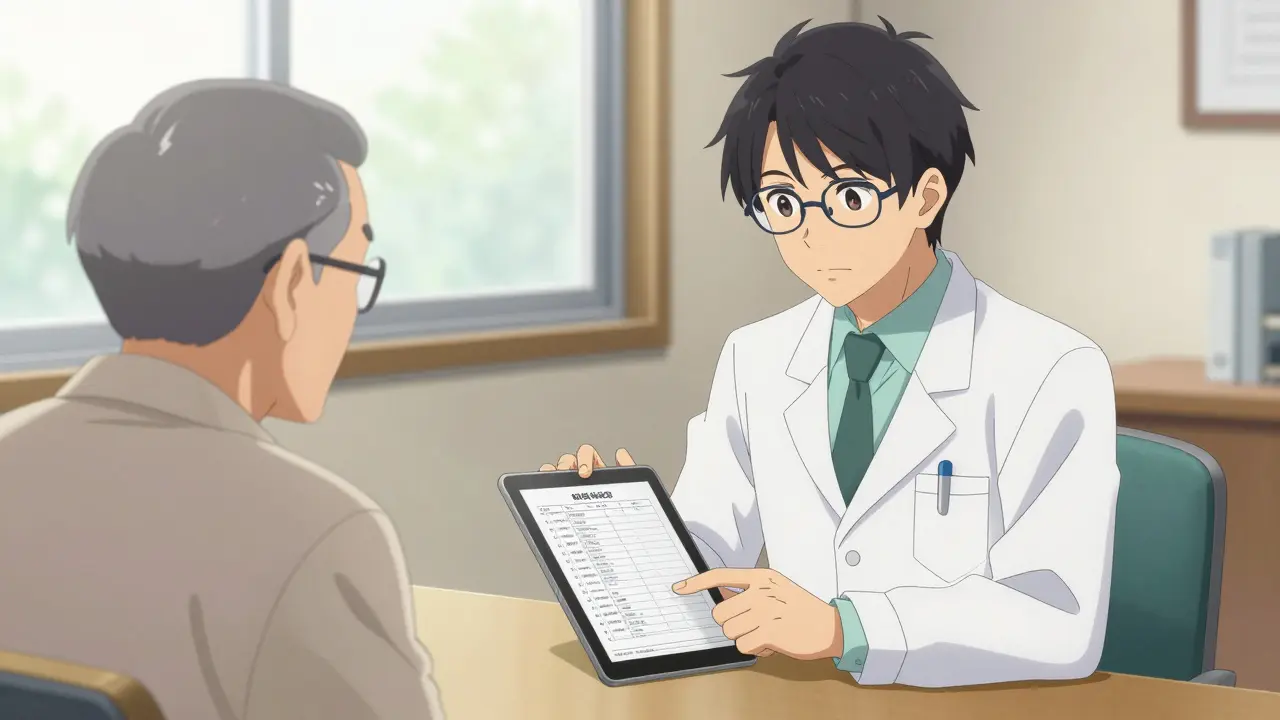
If you are a patient or a caregiver, your first step should be a complete medication audit. Sit down with your pharmacist and go through every single pill, vitamin, and supplement you take. Ask them to identify any potential interactions and help you create a simplified dosing schedule.
If you are in a healthcare setting, the focus should be on workflow integration. Technology like BCMA only works if it fits into the nurse's actual day-to-day routine without forcing them to take dangerous shortcuts. Training should move away from simple "how-to" videos and toward real-world simulations of high-stress, high-risk scenarios.


