
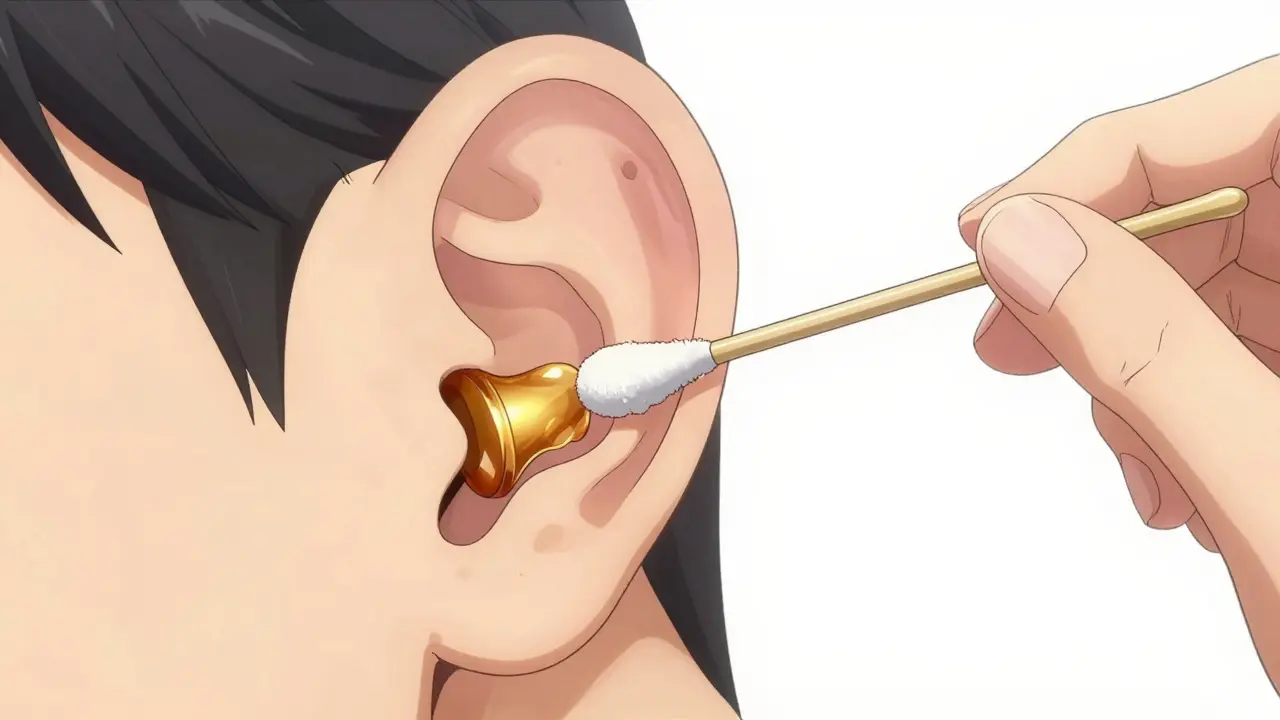
You might think a quick swipe with a cotton swab is just basic hygiene, but for many, it's the start of a frustrating cycle. Imagine waking up to a muffled world, a feeling of fullness in your ear, or a persistent itch that you just can't reach. This is often the result of earwax impaction is a condition where cerumen builds up and hardens in the ear canal, creating a physical blockage that obstructs sound waves from reaching the eardrum. While it sounds simple, trying to "dig it out" usually pushes the wax deeper, turning a minor nuisance into a medical visit.
The goal here isn't to have perfectly sterile, wax-free ears-because wax actually protects your ear canal from dust and bacteria. Instead, the goal is to clear the blockage without damaging your hearing or puncturing your eardrum. If you're feeling the pressure, here is how to handle it safely.
Key Takeaways for Ear Health
- Stop using cotton swabs: They are responsible for 60-70% of man-made blockages.
- Identify symptoms: Hearing loss, fullness, and tinnitus are the most common signs.
- Softening first: Use approved drops before attempting any one-time removal.
- Know when to stop: If you have a history of ear surgery or a perforated eardrum, avoid home kits.
- Professional options: Microsuction is currently the most effective and safest professional method.
Why Does Earwax Get Blocked?
Your ears are designed to be self-cleaning. As cells in the ear canal shed, the wax carries them outward. However, some of us have a harder time with this process. For instance, people using hearing aids often experience impactions because the device blocks the natural outward flow of wax. This affects roughly 35-40% of hearing aid users.
Age also plays a huge role. As we get older, earwax tends to become drier and harder, making it more likely to stick. Statistics show prevalence jumps from 5% in young adults to about 14% in those over 65. Then there's the "swab trap." When you insert a cotton swab, you aren't removing wax; you're acting like a piston in a cylinder, compressing the cerumen against the eardrum. This iatrogenic impaction is the leading cause of emergency clinic visits for ear issues.
Spotting the Symptoms of Cerumen Blockage
It rarely happens overnight. Usually, you'll notice a gradual decline in hearing over one to three weeks. You might feel like you're underwater or that there's a constant pressure deep inside the canal. About 65% of people with cerumen blockage report hearing loss as their primary symptom.
Other red flags include:
- Tinnitus: A ringing or buzzing sound in the ear (reported by 29% of cases).
- Dizziness: Because the ear is linked to balance, a severe blockage can cause vertigo.
- Itching and Odor: Persistent itching or a strange smell can indicate that the trapped wax is causing irritation or a secondary infection.
- Earache: A dull ache caused by the wax pressing against the sensitive skin of the canal.
Safe At-Home Softening Methods
If you don't have a perforated eardrum and aren't experiencing severe pain, you can start by softening the wax. The key is patience; you cannot force the wax out in five minutes.
First-line treatments are cerumenolytic agents. These are drops designed to break down the chemical structure of the wax. Carbamide peroxide solutions, found in kits like Debrox, are highly effective, with a 65% success rate after four days of use. If you prefer something gentler, mineral oil or baby oil can lubricate the canal and help the wax slide out naturally.
The 5-Step Safe Softening Process:
- Lie on your side with the blocked ear facing the ceiling.
- Instill 2-3 drops of olive oil or an approved cerumenolytic agent.
- Stay in that position for 5 to 10 minutes to let the liquid soak in.
- Repeat this process 3-4 times a day for about 3 to 5 days.
- Gently wipe the outer ear with a damp cloth. Never stick the cloth inside the canal.
Professional Removal: What to Expect
When home softening doesn't work, it's time to see a pro. A doctor will use an otoscope to see exactly where the blockage is. They need to ensure you don't actually have otitis externa (swimmer's ear) or a different infection, which would make some removal methods dangerous.
| Method | How it Works | Effectiveness | Best For... |
|---|---|---|---|
| Microsuction | A tiny vacuum removes wax under a microscope. | ~96% | Most patients, especially those with perforated eardrums. |
| Irrigation | Warm water or saline is flushed through the canal. | ~85% | Softened wax in healthy ear canals. |
| Manual Removal | A clinician uses a curette or forceps to pull wax out. | ~92% | Hard, impacted plugs that aren't near the eardrum. |
Microsuction is widely considered the gold standard because it's precise and doesn't involve pushing water into the ear, which reduces the risk of infection. Manual removal is also very effective but requires a skilled hand to avoid scratching the canal.

The "Danger Zone": What to Avoid
You've probably seen those "ear scoops" or vacuum devices trending on TikTok. Be extremely careful. The FDA has warned against these unregulated tools, and reports show thousands of injuries annually from people trying to be their own ENT. One wrong move can lead to a tympanic membrane perforation-a hole in your eardrum-which can cause permanent hearing loss.
And then there's ear candling. Let's be clear: this doesn't work. It doesn't create a vacuum, and it often leaves candle wax dripping into the ear canal, making the blockage even worse. Most medical authorities, including the Mayo Clinic and the NHS, categorize this as a dangerous and ineffective practice.
Preventing Future Blockages
For most people, the best way to prevent impaction is to do absolutely nothing. Your ears are an efficient conveyor belt. However, if you are prone to heavy wax buildup, a few habits can help. Applying a drop of olive oil once a week can keep the wax soft and easier to expel. If you wear hearing aids, clean them daily to ensure you aren't pushing debris back into the canal.
If you find yourself needing professional removal every six months, talk to your doctor about your ear anatomy. Some people have narrower canals that naturally trap wax, and a scheduled professional cleaning is much safer than a cycle of home-removal failures.
Is it normal to have earwax?
Yes, it's very normal. Cerumen serves a purpose: it traps dust and debris and protects the ear canal from infection. You only need to worry about it when it becomes "impacted," meaning it's blocking your hearing or causing pain.
Can I use hydrogen peroxide to clean my ears?
You can, but be careful. Hydrogen peroxide is effective at breaking down wax, but it can be irritating to the skin of the ear canal. About 15% of users report discomfort or irritation. Many doctors recommend carbamide peroxide or simple oils as a gentler alternative.
How do I know if my wax is actually impacted?
If you have wax in your ear but your hearing is fine and there's no pain, it's not considered an impaction. True impaction requires the wax to be obstructing the canal AND causing symptoms like hearing loss, fullness, or ringing.
What is the safest way to remove wax at home?
The safest method is using softening drops (like olive oil or peroxide-based drops) for several days, then allowing the wax to migrate out on its own. Avoid inserting any solid objects, including cotton swabs, into the ear canal.
When should I see a doctor immediately?
Seek medical attention if you experience sudden hearing loss, severe pain, fluid or blood draining from the ear, or a high fever along with ear pressure. These could be signs of a ruptured eardrum or a severe infection.
Next Steps and Troubleshooting
If you're currently blocked: Start with a gentle oil-based softener for 3 days. If your hearing doesn't improve, book an appointment for microsuction. Don't keep digging; you'll only make the professional's job harder by compacting the wax further.
If you have a history of ear surgery: Skip all home drops and kits. Go directly to an ENT (Ear, Nose, and Throat specialist) to avoid risking the integrity of your ear structure.
If you use hearing aids: Schedule a professional ear check every 6 months. This prevents the "plug" effect and keeps your devices working at peak performance.


