
If you’re taking a medication with serious side effects-like clozapine for schizophrenia, natalizumab for multiple sclerosis, or a rare orphan drug-you might be asked to join a patient registry. It’s not a clinical trial. You won’t get a placebo. You’re not being tested. You’re helping make sure the drug is safe for everyone else who takes it. And yes, your data matters.
What Exactly Is a Patient Registry for Drug Safety?
A patient registry for drug safety is a system that collects real-world information about people taking specific medications. It’s not about whether the drug works-it’s about what unexpected problems show up over time. Clinical trials involve a few hundred or maybe a few thousand people for a year or two. But once a drug hits the market, tens of thousands of people start taking it. Some are older. Some have other health problems. Some take other meds. That’s when rare side effects-like liver damage, heart rhythm changes, or severe allergic reactions-start showing up. Registries track those events. They collect data like your age, diagnosis, dosage, how long you’ve been on the drug, any side effects you report, lab results, and even how your quality of life changes. The FDA and European Medicines Agency rely on this data because trials simply can’t catch everything. In fact, 85-90% of a drug’s real-world use happens after approval. That’s where registries step in.Why Should You Join One?
You might think, “I’m not a scientist. Why should I spend time on this?” But here’s the truth: if you’re on a high-risk medication, your experience could save someone else’s life. Take clozapine. It’s one of the most effective drugs for treatment-resistant schizophrenia-but it can cause a dangerous drop in white blood cells. In the UK and Ireland, nearly every patient on clozapine is enrolled in a mandatory registry. Because of that, doctors catch blood problems early. People live longer. That’s the power of collective data. Even if you’re not on a mandatory drug, joining a voluntary registry gives you access to:- Updates on safety alerts or new warnings about your medication
- Personalized tracking tools to monitor how you’re doing
- Connection to others with the same condition
- More informed conversations with your doctor
How Do You Know If You’re Supposed to Join?
Not every drug needs a registry. But if your doctor prescribes one of the 47 medications in the U.S. with mandatory registry requirements, you’ll be told right away. These include:- Tysabri (natalizumab) - for multiple sclerosis
- Gilenya (fingolimod) - also for MS
- Clozapine - for schizophrenia
- Elaprase (idursulfase) - for Hunter syndrome
- Teriflunomide - for MS
How Do You Actually Sign Up?
There are three main ways to join:- Through your doctor or pharmacy - If your drug requires a registry, your provider will give you the link or paperwork. This is the most common path. They’ll walk you through it.
- Through a patient advocacy group - Visit NORD’s registry portal or search for your condition + “patient registry.” Organizations like the Cystic Fibrosis Foundation or the Muscular Dystrophy Association run their own.
- Through ClinicalTrials.gov - Search for “safety monitoring” or “post-marketing” and filter by your condition. You’ll find hundreds of active registries.

What Happens After You Join?
Once you’re in, you’re not done. Participation is ongoing. Here’s what to expect:- Initial data collection - You’ll fill out a detailed form. This might include your medical history, current meds, and lab results.
- Follow-ups - Most registries ask for updates every 3-12 months. Some send automated emails or text reminders. Others call you. The FDA says registries with reminders have 27% higher retention.
- Data sharing - Your information goes into a secure system. It’s usually de-identified-meaning your name isn’t attached. Researchers see numbers and codes, not identities.
- Feedback - Many registries send out newsletters or safety alerts. You might learn about a new side effect others reported, or a change in dosing guidelines.
Privacy and Security: What You Need to Know
This is the biggest worry for most people. “Will my data be sold? Will insurance companies see it?” Registries for drug safety are tightly regulated. In the U.S., they must follow 21 CFR Part 11, which means data is encrypted, access is logged, and only authorized people can view it. Your name, address, and Social Security number are never shared with drug companies or researchers. They get coded data: “Patient #482, age 52, female, started drug in 2022, reported fatigue in month 6.” The European Union has GDPR rules, which are even stricter. Even if you’re in the U.S., if a registry is run by a European group, your data follows their rules. Still, 41% of people don’t join registries because of privacy fears. That’s why newer systems are letting you control your data. Platforms like MyDataCan (launched in 2021) let you decide exactly who can see what-and you can pull your data out anytime.What If You Change Your Mind?
You can leave any registry at any time. No questions asked. Just send an email or call the registry coordinator. Your data will be removed from future analyses. If you’ve already contributed data, it might stay in past reports (because removing it could skew results), but your name and personal details will be deleted. You can also opt out of future contact. If you don’t want emails or calls, just say so. Your data doesn’t disappear-you’re just not part of the follow-ups.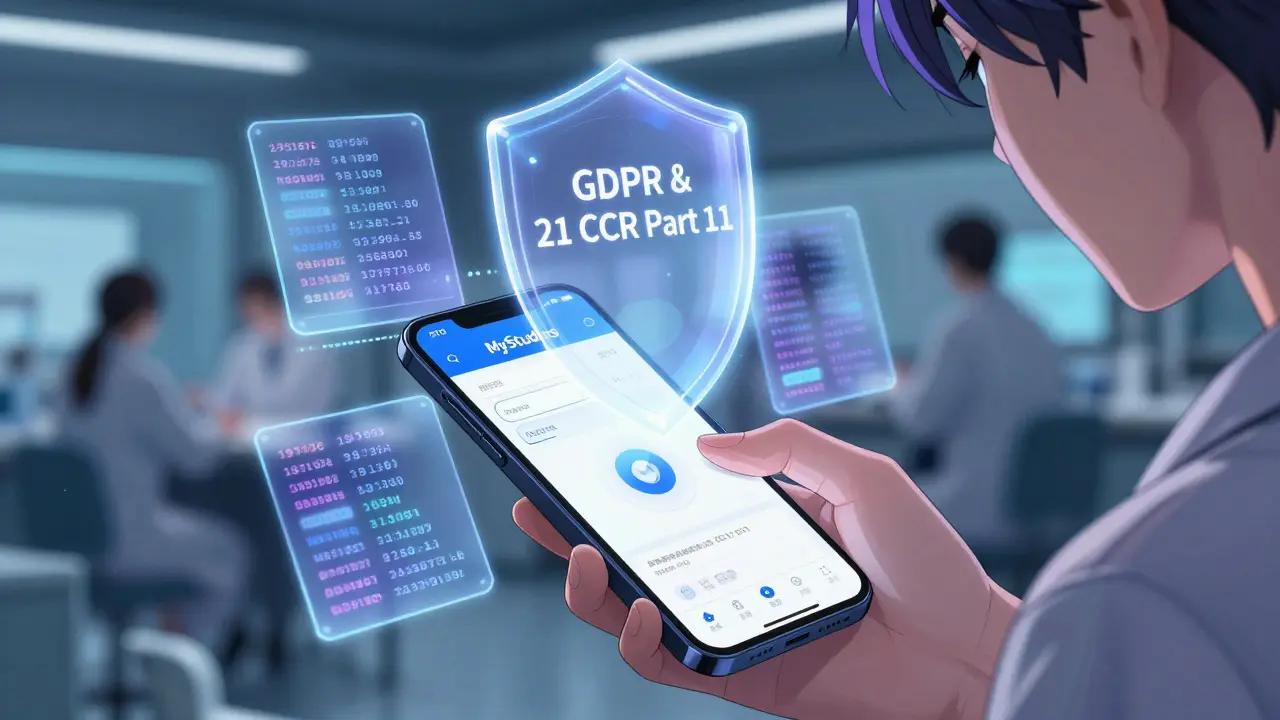
Common Challenges and How to Overcome Them
Joining a registry sounds simple. But here’s what trips people up:- Too much paperwork - Consent forms can be 2,000 words long. Skip the legalese. Focus on the summary: “Your data helps monitor drug safety. It won’t be sold. You can leave anytime.”
- Forgetting to update - Set a calendar reminder. Even if you feel fine, update your status. A missed update means your data gets dropped from analysis.
- Confusion over mandatory vs. voluntary - If your doctor says “you have to join,” they mean it’s required for you to get the drug. If they say “we recommend,” it’s optional. Ask: “Will I be denied the medication if I don’t join?”
- Not seeing results - You won’t get a call saying, “Your data helped stop a dangerous side effect.” But that doesn’t mean it didn’t. The FDA approved a new pediatric dose for Hunter syndrome because of registry data from 87 kids. You could be one of them.
The Future of Patient Registries
Things are changing fast. By 2025, the FDA will require all new drug applications for high-risk medications to include a registry plan. That means more registries. More data. More safety. New tools are making it easier:- MyStudies app - The FDA’s free app lets you submit updates via your phone. Over 140,000 people use it. It’s simple: answer three questions, tap submit.
- Blockchain pilots - Some registries are testing blockchain to make data tamper-proof and give patients full control. Early results show 92% of patients feel safer with it.
- Automatic enrollment - By 2025, the FDA’s Sentinel system will automatically enroll 83% of patients on high-risk drugs if they’ve given consent in their EHR. You’ll get a notification, not a form.
What If You’re Not Sure?
If you’re unsure whether to join, ask your doctor: “What’s the benefit to patients like me? How will my data be used? Can I leave anytime?” You don’t need to be a scientist. You don’t need to understand statistics. You just need to care about your health-and the health of others. Joining a registry is one of the quietest, most powerful things you can do for drug safety. It’s not glamorous. But it works.Do I have to join a patient registry if my doctor asks me to?
If the drug you’re prescribed has a mandatory registry (like Tysabri or clozapine), then yes-you must enroll to receive the medication. These are legally required for safety. If the registry is voluntary, you can say no. Always ask your doctor whether it’s mandatory or optional.
Will my insurance company see my registry data?
No. Registry data is de-identified and protected under strict privacy rules. Insurance companies, employers, and marketers cannot access your personal information through a drug safety registry. Your name, address, and insurance details are never shared with third parties.
How long do I have to stay in a registry?
You can leave at any time. But most registries ask for updates for as long as you’re taking the medication. Some, especially for chronic conditions, track patients for decades. The average participation lasts about 2.7 years, but many stay much longer-especially if they find value in the updates and community.
Can I join a registry if I’m not the patient?
Yes-if you’re a parent, guardian, or caregiver for someone taking the medication, you can enroll on their behalf. Many registries for children’s conditions (like Hunter syndrome or Duchenne muscular dystrophy) are managed by parents. You’ll need to provide proof of guardianship if required.
What if I forget to update my info?
Missing one update won’t get you kicked out, but it reduces the value of your data. Registries with regular updates are more reliable for detecting safety signals. Set a calendar reminder or sign up for text/email alerts. Some registries even send automated prompts every 90 days.
Are patient registries only for rare diseases?
No. While many registries focus on rare diseases (92% of orphan drugs require them), they’re also used for common medications with serious risks-like blood thinners, diabetes drugs, and certain antidepressants. The FDA now requires registry plans for nearly all new high-risk drugs, regardless of how common the condition is.


