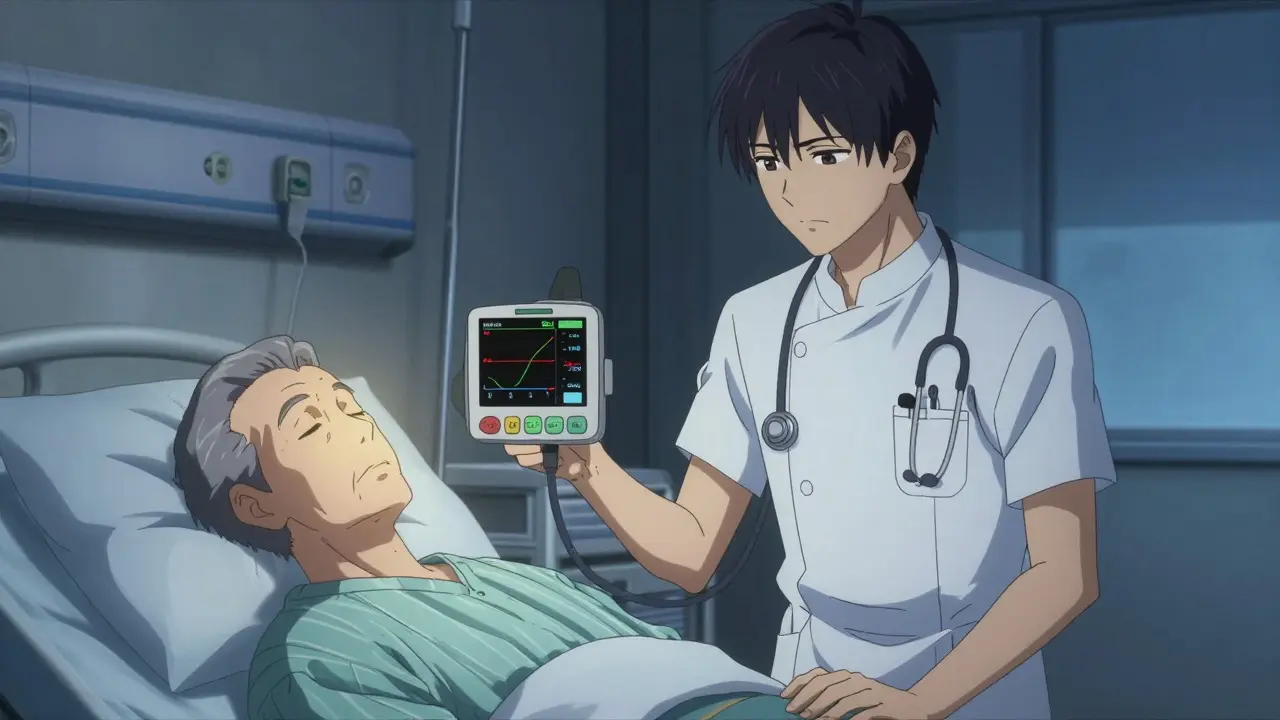
Seniors are not just small adults. Their bodies process medications differently, making them far more vulnerable to the dangers of over-sedation. When an older adult takes painkillers or sedatives, their liver and kidneys work slower, and their brain is more sensitive to these drugs. This means a dose that is safe for a 40-year-old can cause a life-threatening overdose in an 80-year-old. The stakes are high: seniors account for 65% of respiratory arrest cases during procedural sedation. Knowing how to spot the early signs of trouble is the difference between a routine procedure and a medical emergency.
The Silent Danger of Over-Sedation in Older Adults
Over-sedation happens when a patient becomes too deeply relaxed or unconscious, leading to slowed breathing (respiratory depression) or even stopped breathing (apnea). In seniors, this risk is amplified by age-related physiological changes. Between ages 20 and 80, hepatic metabolism decreases by 30-50%, and renal clearance declines significantly. This means drugs stay in the body longer and hit harder.
The most dangerous aspect is that it can happen silently. If a senior is receiving supplemental oxygen, their pulse oximeter might show a normal reading (above 94%) even while they are barely breathing. This is called "silent hypoxia." Without proper monitoring, caregivers might miss the fact that carbon dioxide is building up in the blood until it is too late. According to the American Society of Anesthesiologists (ASA), seniors experience adverse sedation events 3.5 times more often than younger adults.
Essential Monitoring Tools for Senior Safety
Relying on a single tool is risky. Best practices now mandate multimodal monitoring, which means using several devices together to get a complete picture of the patient’s status. Here are the critical tools you need to know:
- Pulse Oximetry (SpO2): Measures oxygen saturation in the blood. Alarms should be set at 90%. However, remember that this lags behind other signs; by the time SpO2 drops, the patient has already been struggling for air for several minutes.
- Capnography: This is the gold standard for detecting breathing issues. It measures end-tidal CO2 (EtCO2). Normal values are between 35-45 mmHg. Capnography can detect apnea (stopped breathing) within seconds, whereas pulse oximetry can take 2-3 minutes to show a drop in oxygen. For seniors, ASA guidelines recommend capnography whenever there is a risk of respiratory depression.
- Blood Pressure Monitoring (NIBP): Non-invasive blood pressure should be checked at least every 5 minutes. Systolic pressure should remain above 90 mmHg. Low blood pressure can indicate deep sedation or shock.
- Electrocardiogram (ECG): Monitors heart rate and rhythm. Heart rates should generally stay between 50-100 beats per minute. Sedatives can slow the heart rate dangerously low in older patients.
| Monitoring Tool | What It Detects | Response Time | Limitations in Seniors |
|---|---|---|---|
| Pulse Oximetry | Low Oxygen (Hypoxia) | Slow (2-3 mins) | Fails with supplemental oxygen (silent hypoxia); false alarms from poor circulation |
| Capnography | Stopped Breathing (Apnea) | Fast (Seconds) | High false alarm rate (38%) due to irregular breathing patterns |
| Respiratory Volume Monitoring (RVM) | Shallow Breathing (Hypoventilation) | Early Warning (14 mins before desaturation) | Electrode placement issues due to fragile skin |
| BIS/Narcotrend | Depth of Consciousness | Real-time | Expensive equipment; requires specialized training |

Recognizing the Early Warning Signs
Technology is helpful, but human observation is irreplaceable. You must assess the patient's level of consciousness continuously. The Richmond Agitation-Sedation Scale (RASS) is a widely used tool for this. Scores range from +4 (combative) to -5 (unarousable).
- RASS 0 to -1: Alert and calm. This is the target zone for most procedures.
- RASS -2: Light sedation. The patient responds to voice or touch.
- RASS -3 or lower: Moderate to deep sedation. This requires immediate attention. If a patient cannot be aroused by shaking or shouting, they are at high risk for airway obstruction.
Watch for physical cues too. Look for slow, shallow breathing. Count the breaths per minute; a rate below 8 breaths per minute is a red flag. Listen for snoring or gurgling sounds, which indicate the tongue or soft tissues are blocking the airway. Check the skin color; bluish lips or fingertips (cyanosis) are late signs of severe oxygen lack.
Practical Steps for Caregivers and Clinicians
If you are caring for a senior who has received sedatives, follow these steps to ensure safety:
- Start Low, Go Slow: Seniors require 30-50% lower doses of sedatives. Use the formula: Dose = Standard Dose × (1 - 0.005 × (Age - 20)). For example, an 80-year-old needs roughly half the dose of a 20-year-old.
- Continuous Monitoring: Intermittent checks (every 5 minutes) miss 78% of respiratory events. Use continuous monitors whenever possible.
- Protect the Skin: Elderly skin is fragile. Electrodes can cause breakdown. Use hydrocolloid dressings under sensors to reduce injury risk by up to 67%.
- Manage Alarms Wisely: Alarm fatigue is real. Adjust alarm limits to avoid nuisance alerts, but never silence them without assessing the patient. Capnography alarms in seniors have a 38% false positive rate due to irregular breathing, so verify before panicking, but act quickly.
- Have Reversal Agents Ready: Keep Naloxone (for opioids) and Flumazenil (for benzodiazepines) accessible. Know how to administer them immediately if respiratory arrest occurs.

Advanced Technologies and Future Trends
New technologies are emerging to help bridge the gap in senior care. The Integrated Pulmonary Index (IPI) is one such innovation. It combines data from EtCO2, respiratory rate, SpO2, and heart rate into a single score from 1 to 10. An IPI score below 7 signals that clinical intervention is needed. Studies show this algorithm can detect respiratory compromise 12.7 minutes before oxygen levels drop, giving caregivers a crucial head start.
Another development is the FDA-cleared Opioid Risk Monitoring System (ORMS). This system links IV pain pumps with capnography. If the patient’s breathing slows below 8 breaths per minute, the machine automatically pauses the opioid delivery. In trials, this reduced respiratory depression events by 58% in seniors. While not yet universal, these smart systems represent the future of safe sedation.
Common Pitfalls to Avoid
Even with the best tools, mistakes happen. The most common error is relying solely on pulse oximetry in patients receiving oxygen. As mentioned, this masks hypoventilation. Another pitfall is ignoring the Modified Early Warning Score (MEWS). MEWS assigns points for abnormal vital signs. A score of 3 or higher predicts adverse events with 84% sensitivity. Don't wait for a crisis; act on trends.
Also, beware of "normal" looking numbers that hide danger. A senior with COPD may have a baseline CO2 level that is higher than average. Understand the patient's baseline before starting sedation. Finally, staffing matters. Technology cannot replace a nurse. The ASA emphasizes that 1:1 nurse-patient ratios are essential for safe geriatric sedation. No amount of automation compensates for inadequate human oversight.
What is the first sign of over-sedation in seniors?
The earliest sign is usually a change in breathing pattern, specifically slowing down (bradypnea) or becoming shallow. This is detected fastest by capnography, which shows a rise in CO2 levels before oxygen saturation drops. Visually, you might notice the patient becoming difficult to rouse (RASS score dropping below -2).
Why is capnography better than pulse oximetry for seniors?
Capnography detects stopped breathing (apnea) within seconds. Pulse oximetry only detects low oxygen (hypoxia), which can take 2-3 minutes to appear after breathing stops. In seniors on supplemental oxygen, pulse oximetry can show normal readings even while the patient is barely breathing, a condition known as silent hypoxia.
How do I calculate the correct sedative dose for an elderly patient?
A general rule of thumb is to reduce the standard adult dose by 30-50%. A specific formula often used is: Dose = Standard Dose × (1 - 0.005 × (Age - 20)). Always consult specific drug guidelines and consider kidney and liver function, as these decline with age.
What should I do if a senior patient stops breathing during sedation?
First, stimulate the patient physically and verbally. If there is no response, open the airway (jaw thrust maneuver) and provide ventilation with a bag-valve-mask device. Administer reversal agents like Naloxone if opioids were used. Call for emergency assistance immediately.
Is intermittent monitoring enough for senior patients?
No. Studies show that intermittent monitoring (checking every 5 minutes) misses 78% of respiratory events. Continuous multimodal monitoring is the gold standard for seniors due to their rapid deterioration risks and altered physiology.


