Every two seconds, someone in the United States breaks a bone due to osteoporosis, a condition that weakens bones until they become as fragile as dry twigs. By 2026, this silent epidemic costs the healthcare system over $52 billion annually. You might think popping a daily calcium pill or taking a high-dose vitamin D supplement is enough to keep your skeleton strong. The truth is far more complicated-and often counterintuitive. Decades of research show that simply adding supplements without understanding your specific risk profile can be ineffective, or worse, harmful.
We need to move beyond the "more is better" mindset. Fracture prevention isn't just about swallowing pills; it’s a strategic combination of targeted nutrition, precise medication use, and lifestyle adjustments. If you are over 50, have experienced a previous break, or worry about your parents’ bone health, understanding the real data behind these interventions is critical. This guide cuts through the noise to explain what actually works to prevent fractures today.
The Myth of Standalone Vitamin D
For years, we were told that Vitamin D is the sunshine vitamin essential for calcium absorption and bone health was a miracle cure for brittle bones. It is true that vitamin D helps your body absorb calcium. However, recent large-scale studies have shattered the idea that taking vitamin D alone prevents fractures.
A massive meta-analysis published in JAMA Network Open in 2019 reviewed 11 randomized controlled trials involving over 34,000 participants. The result? Vitamin D supplementation alone showed no significant reduction in fracture risk. In fact, the relative risk for any fracture remained neutral at 1.01. Even more concerning, some data suggested a slight increase in hip fracture risk when vitamin D was taken without adequate calcium.
Why does this happen? Vitamin D is like a key that unlocks the door for calcium to enter your bloodstream. But if there is no calcium available (the lock), the key doesn’t matter. Furthermore, not everyone is deficient. If your blood levels of 25-hydroxyvitamin D are already above 20 ng/mL, adding more provides zero additional bone protection. The US Preventive Services Task Force (USPSTF) issued a "D recommendation" against low-dose vitamin D (400 IU or less) for community-dwelling postmenopausal women because the evidence shows no benefit and potential harm from unnecessary supplementation.
- The Reality: Vitamin D alone does not prevent fractures.
- The Exception: It may help if you are severely deficient (<20 ng/mL) AND taking calcium.
- The Action: Get tested. Don’t guess your levels based on how much sun you get.
Calcium: The Double-Edged Sword
Calcium is the primary mineral component of bone tissue is undeniably vital. Your bones are essentially storage banks for calcium. When dietary intake is low, your body steals calcium from your bones to maintain heart and muscle function, leading to weakening. But here is where it gets tricky: taking too much calcium, especially in supplement form, carries risks.
The Women’s Health Initiative (WHI), one of the largest medical studies ever conducted, followed over 36,000 postmenopausal women. They found that while combined calcium and vitamin D had mixed results, high-dose calcium supplementation (1,000 mg/day plus usual intake) was associated with a 17% increased risk of kidney stones. More alarmingly, some analyses suggest a potential link to cardiovascular events, though this remains debated.
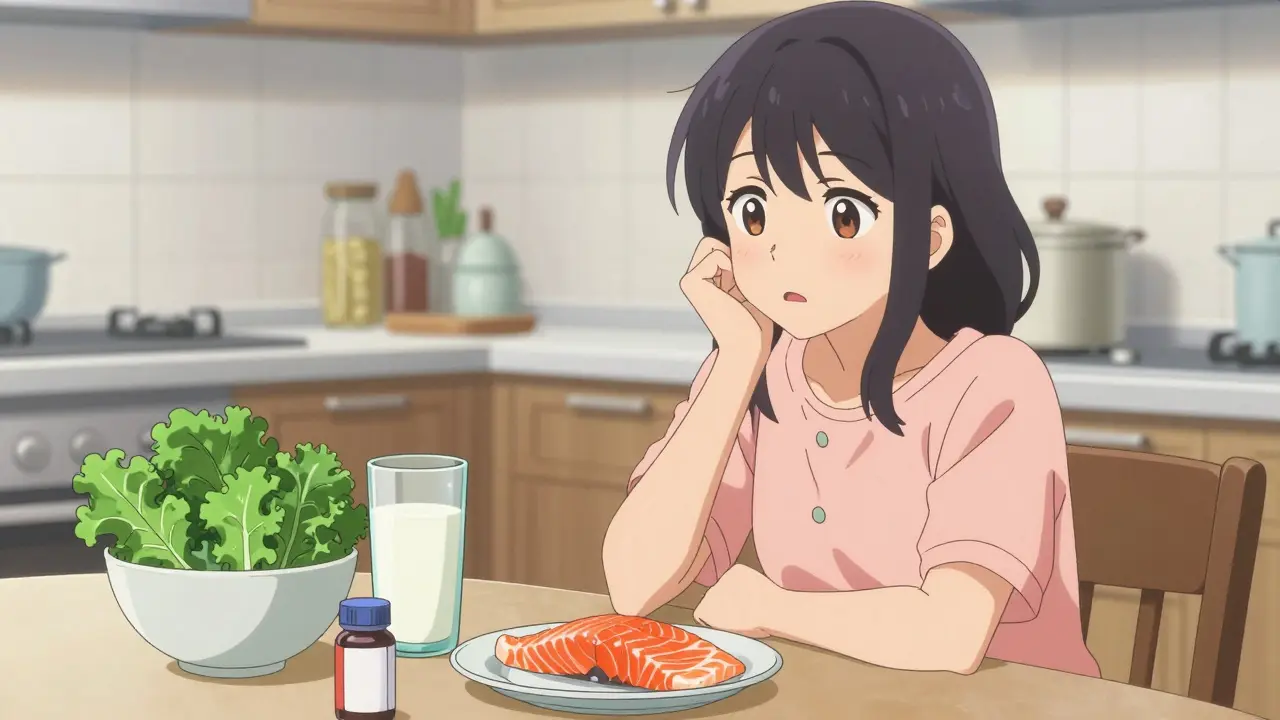
The sweet spot for most adults is 1,000 to 1,200 mg of total calcium per day. Crucially, this should come primarily from food. Dairy products, leafy greens like kale and collard greens, and fortified plant milks provide calcium alongside other nutrients that aid absorption. Supplements should only fill the gap if your diet falls short. Taking a 1,200 mg calcium pill on top of a dairy-rich diet can push you into dangerous territory, causing hypercalcemia (too much calcium in the blood), which leads to nausea, confusion, and kidney damage.
When Supplements Actually Work: The Combination Approach
If standalone vitamin D fails and calcium has risks, why do doctors still prescribe them? Because the combination matters. The same 2019 JAMA Network Open meta-analysis revealed that when 800-1,000 IU of vitamin D3 is paired with 1,000-1,200 mg of calcium carbonate, the picture changes.
This combination demonstrated a 6% reduction in any fracture and a significant 16% reduction in hip fractures across six major trials. Hip fractures are particularly devastating, often leading to loss of independence or death in older adults. So, who benefits most from this combo?
- Institutionalized Elderly: Nursing home residents often have poor diets and little sun exposure. The landmark 1992 Chapuy trial showed a 43% reduction in hip fractures in this group using this specific combination.
- Severely Deficient Individuals: People with baseline vitamin D levels below 20 ng/mL see the most benefit.
- Those with Low Dietary Calcium: If you eat less than 700 mg of calcium daily, supplementation becomes necessary.
For healthy, active adults eating a balanced diet, this combination offers minimal added value. The USPSTF notes that for community-dwelling women, the balance of benefits and harms is insufficient to recommend universal supplementation. Personalization is key.
Bone-Building Medications: Beyond Nutrition
For many, nutrition isn’t enough. If your bone density scan (DEXA) shows osteoporosis (a T-score of -2.5 or lower) or if you’ve had a fragility fracture, you likely need pharmaceutical intervention. These drugs work by either slowing bone breakdown or stimulating new bone growth.
| Medication Class | Common Brand Names | Mechanism of Action | Fracture Risk Reduction | Key Side Effects/Risks |
|---|---|---|---|---|
| Bisphosphonates | Fosamax (Alendronate), Reclast (Zoledronic Acid) | Inhibits osteoclasts (cells that break down bone) | Vertebral: 40-70%; Hip: Up to 41% | Gastrointestinal upset, rare jaw necrosis (0.001-0.01%), atypical femur fractures |
| Denosumab | Prolia | Monoclonal antibody that blocks RANKL protein | Vertebral: ~70%; Hip: ~40% | Infection risk, hypocalcemia, rebound fractures if stopped abruptly |
| Teriparatide | Forteo | Anabolic agent that stimulates new bone formation | Vertebral: ~65% | Injection required, limited to 2 years of use, cost |
| Romosozumab | Evenity | Dual action: builds bone and reduces breakdown | Vertebral: ~70% vs placebo | Cardiovascular risk warning, injection required, 1-year course |
Bisphosphonates are the most commonly prescribed first-line drugs for osteoporosis remain the gold standard for many patients. Alendronate, taken orally once a week, reduced vertebral fracture risk by 44% in the Fracture Intervention Trial (FIT). Zoledronic acid, an annual IV infusion, cut hip fracture risk by 41% in the HORIZON trial. However, compliance is a huge issue. About 50% of patients stop oral bisphosphonates within a year due to stomach irritation or fear of rare side effects like osteonecrosis of the jaw.
Newer agents offer alternatives. Denosumab, injected twice a year, is highly effective but requires strict adherence. Stopping denosumab without switching to another drug can cause rapid bone loss and multiple vertebral fractures-a phenomenon known as "rebound effect." For severe cases, anabolic agents like teriparatide or romosozumab build actual new bone rather than just preserving existing bone. The ESCEO guidelines now favor sequential therapy: starting with an anabolic agent to rebuild bone, followed by an antiresorptive like a bisphosphonate to maintain gains.

Assessing Your Risk: The FRAX Tool
You don’t need to guess if you need medication. The World Health Collaborating Centre developed the FRAX tool is a clinical algorithm to estimate the 10-year probability of fracture. It calculates your risk based on age, weight, height, previous fractures, parental history of hip fracture, smoking status, alcohol use, and glucocorticoid use. Some versions also incorporate bone mineral density (BMD) from a DEXA scan.
Treatment thresholds vary by country. In the US, treatment is typically recommended if your 10-year risk of a major osteoporotic fracture exceeds 20%, or if your hip fracture risk exceeds 3%. In the UK, the threshold is lower (15% for major fracture). If your score is borderline, your doctor might consider qualitative factors like fall risk or the presence of secondary causes of osteoporosis (like thyroid disease or rheumatoid arthritis).
Don’t ignore fall prevention. The best bone medicine in the world won’t help if you never fall. Strength training, particularly resistance exercises that load the spine and hips, improves bone density and balance. Vitamin D deficiency increases muscle weakness, making falls more likely. Correcting this deficiency, even if it doesn’t directly harden bones, reduces fall risk.
Practical Steps for Implementation
Navigating fracture prevention requires a proactive approach. Here is how to structure your strategy:
- Test First: Ask your doctor for a 25-hydroxyvitamin D blood test. If it’s below 20 ng/mL, you need repletion. High-dose weekly vitamin D2 (50,000 IU) for 8-12 weeks is common, followed by maintenance doses of 800-2,000 IU daily.
- Audit Your Diet: Track your calcium intake for a week. If you’re under 700 mg, add dairy, fortified foods, or a small supplement. Aim for 1,000-1,200 mg total.
- Calculate FRAX: Use an online calculator or ask your physician. If your risk is high, discuss medication options.
- Choose Medication Wisely: If prescribed a bisphosphonate, ensure good dental hygiene beforehand to minimize jaw necrosis risk. If you have kidney issues, zoledronic acid may not be suitable (requires creatinine clearance >35 mL/min).
- Monitor: Check serum calcium every 3-6 months if supplementing heavily. Repeat DEXA scans every 1-2 years to monitor treatment efficacy.
The market for osteoporosis treatments is growing, projected to reach $14.3 billion by 2028. New approvals, like abaloparatide for men, expand options. But remember, no drug is perfect. Teriparatide is expensive and requires daily injections. Romosozumab carries cardiovascular warnings. Bisphosphonates require long-term commitment. The goal is to find the regimen you can stick with. Consistency beats potency.
Can I get enough calcium and vitamin D from food alone?
Yes, for many people. A diet rich in dairy, leafy greens, fatty fish, and eggs can provide sufficient calcium and vitamin D. However, older adults, those with malabsorption issues (like celiac disease), or individuals living in northern latitudes with limited sun exposure often struggle to meet requirements through diet alone. Blood tests are the only way to know for sure.
Is it safe to take calcium supplements if I have a history of kidney stones?
Caution is advised. The Women's Health Initiative found a 17% increased risk of kidney stones with high-dose calcium supplementation. If you have a history of stones, consult your urologist or nephrologist before starting calcium pills. They may recommend citrate supplements or dietary modifications instead.
What happens if I stop taking my bone medication?
It depends on the drug. With bisphosphonates, bone density may slowly decline after stopping, but many patients experience a "drug holiday" where benefits persist for several years. With denosumab, stopping abruptly can lead to rapid bone loss and multiple vertebral fractures. Always transition off medication under a doctor's supervision.
How long does it take for bone-building medications to work?
Antiresorptives like bisphosphonates begin reducing bone turnover within weeks, but fracture risk reduction becomes statistically significant after 1-2 years of consistent use. Anabolic agents like teriparatide can show improvements in bone density markers within 6 months. Patience and adherence are crucial.
Are there natural ways to boost bone density besides supplements?
Absolutely. Weight-bearing exercises (walking, jogging, dancing) and resistance training (weights, bands) stimulate bone formation. Adequate protein intake is also vital, as bone is 50% protein by volume. Avoiding smoking and limiting alcohol consumption further protects bone health.


