Many people in South Africa and around the world fill prescriptions for generic drugs every day-but not everyone understands what they’re actually taking. You might see a small, white pill with no brand name and wonder: Is this really the same as the one my doctor prescribed? Is it weaker? Slower to work? Less safe? These questions aren’t silly. They’re common. And they’re exactly why consumer language guides for generic drugs exist.
What exactly is a generic drug?
A generic drug is the same medicine as the brand-name version, just without the fancy packaging or marketing. It has the same active ingredient, the same strength, and works the same way in your body. For example, if you take Lipitor for cholesterol, the generic version is atorvastatin. Same chemical. Same effect. Same safety record. The FDA requires that generic drugs deliver between 80% and 125% of the blood concentration of the brand-name drug. That’s not a guess-it’s a strict scientific standard tested in labs with real people.Think of it like buying cereal. Brand-name Cheerios costs more. Store-brand cereal is cheaper. But both are made from oats, have the same shape, and give you the same energy. The only real difference? Price. Generic drugs work the same way.
Why do people think generics are different?
The confusion isn’t random. It’s been fed by years of marketing. Brand-name drugs come with colorful packaging, catchy names, and TV ads. Generics come in plain white pills with codes printed on them. When you see a pill that looks nothing like the one you used to take, it’s natural to feel uneasy. Add to that stories online about someone who switched and felt “off,” and it’s easy to assume the generic didn’t work.But here’s the truth: most of the time, those feelings aren’t caused by the drug itself. They’re caused by the change. Your body notices something different-color, size, shape-and your brain assumes something’s wrong. That’s called the nocebo effect. It’s the opposite of the placebo effect. Instead of feeling better because you believe it will work, you feel worse because you believe it won’t.
Studies show that when patients get a simple, clear explanation before switching to a generic, their confidence goes up-and so does adherence. One study found that after a 3-minute plain-language talk from a pharmacist, patients were 22% more likely to keep taking their generic medication. That’s not magic. That’s communication.
What do consumer language guides actually say?
Good consumer language guides don’t use words like “bioequivalence” or “pharmacokinetics.” They use words like “same,” “works,” and “safe.” Here’s what the best ones include:- Same active ingredient: “This pill has the same medicine inside as the brand-name version.”
- Same strength: “If your old pill was 20mg, this one is 20mg too.”
- Same effect: “It will work the same way in your body to lower your blood pressure, reduce pain, or control your cholesterol.”
- Same safety: “It’s been tested and approved by the same agency that approved the brand-name drug.”
- Big savings: “You’ll save about $387 per prescription on average.”
They also show pictures. Side-by-side comparisons of brand and generic pills. Same shape? Different color? That’s normal. The color comes from inactive ingredients-dyes, fillers, coatings. These don’t affect how the medicine works. They’re just there to make the pill easier to swallow or look different from other drugs.
What about those rare cases where generics aren’t the same?
Yes, there are exceptions. And they matter.Some drugs have what’s called a “narrow therapeutic index.” That means the difference between a dose that works and a dose that’s too much is very small. For these, even tiny differences in how the body absorbs the drug can matter. Examples include:
- Warfarin (blood thinner)
- Levothyroxine (for thyroid)
- Phenytoin (for seizures)
- Digoxin (for heart rhythm)
For these, doctors sometimes recommend sticking with one brand-or one generic manufacturer-because consistency matters. But that’s not because generics are bad. It’s because the body is sensitive to tiny changes in absorption. That’s why the FDA now requires special language guides for these medications. Some pharmacies even print notes on the label: “This generic version of levothyroxine is from the same maker as your last prescription.”
And here’s something most people don’t know: there’s such a thing as an “authorized generic.” That’s when the brand-name company makes its own generic version-same pill, same factory, same formula-but sells it without the brand name. These have the lowest switch-back rates. If your doctor says “stick with the brand,” ask if an authorized generic is available. You might get the same pill for half the price.
How do you know if a guide is good?
Not all patient materials are created equal. A 2022 study found that FDA’s own guides scored 87 out of 100 on readability and clarity. Many pharmacy-made guides? Only 62. Here’s how to spot the good ones:- Short sentences. No more than 15-20 words per sentence.
- Active voice. “Take this pill once a day” not “This pill should be taken once a day.”
- Plain language. No medical jargon. If it says “bioequivalence,” it’s not for patients.
- Teach-back questions. Good guides end with: “Can you tell me in your own words why you’re taking this?”
- Visuals. A picture of the pill, the brand name, and the generic name side by side.
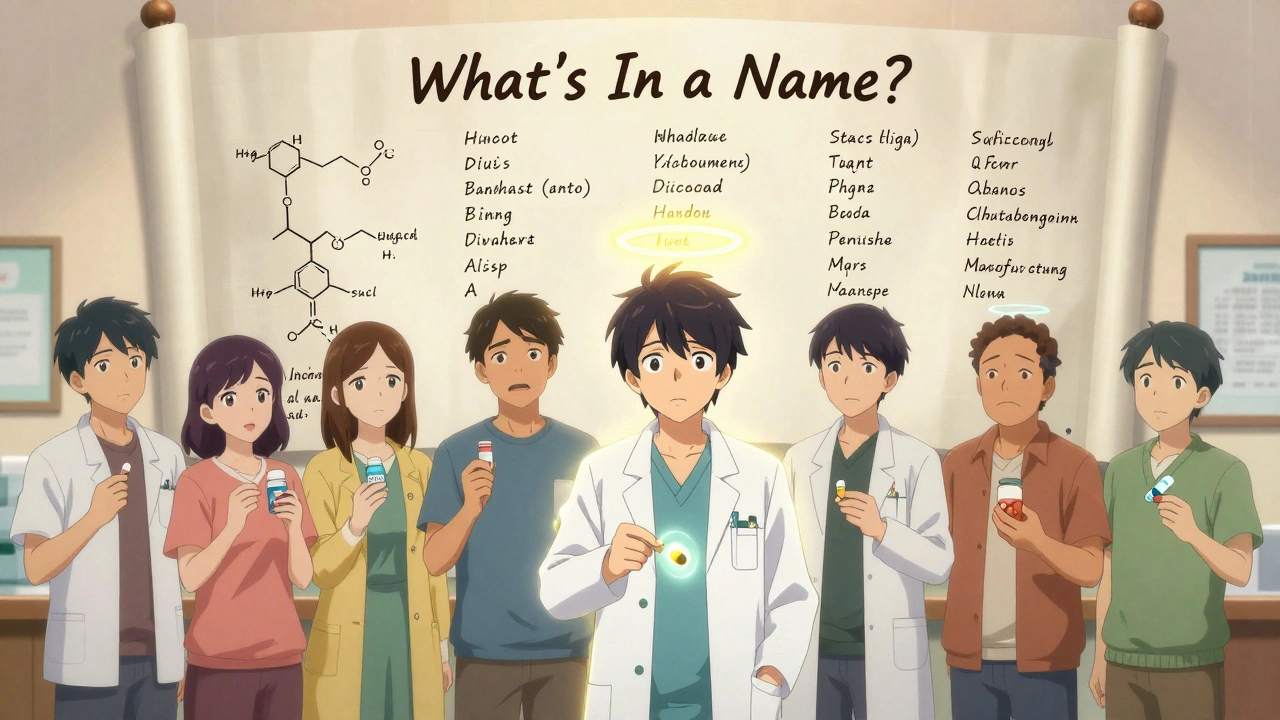
The FDA’s “What’s In a Name?” chart is one of the best examples. It shows:
- Chemical name: N-(4-hydroxyphenyl) acetamide
- Generic name: acetaminophen
- Brand name: Tylenol
That’s it. No fluff. Just clarity.
What should you do if you’re confused?
You don’t have to guess. Here’s what to do next time you get a generic prescription:- Ask your pharmacist: “Is this the same as the brand-name version?”
- Ask: “Can you show me a picture of the pill I used to take versus this one?”
- Ask: “Is this an authorized generic?”
- If it’s a high-risk drug like levothyroxine or warfarin, ask: “Should I stick with the same maker?”
- Don’t stop taking it just because it looks different. Talk to someone first.
Most pharmacists now use standardized talking points. In 2023, 92% of them told patients: “Generics must work the same as brands to get FDA approval.” That’s the core message. It’s simple. It’s true. And it’s powerful.
Why does this matter?
Because money matters. In 2022, 90.9% of all prescriptions in the U.S. were filled with generics. But they only made up 22.3% of total drug spending. That’s $1.7 trillion saved over the next decade-just from people using generics instead of brand names. But that savings only works if people trust them.Right now, 38% of Medicare beneficiaries still believe generics are less effective. That’s not ignorance. It’s lack of clear information. When patients understand what they’re taking, they take it. When they take it, they stay healthier. When they stay healthier, the system saves money.
This isn’t about cutting corners. It’s about cutting waste. It’s about making sure everyone, no matter their income or education level, can understand their medicine.
Where to find reliable guides
You don’t need to search through confusing websites. Here are the best places to start:- FDA’s Generic Drugs webpage - Updated quarterly. Includes pill images, FAQs, and the “What’s In a Name?” chart.
- Academy of Managed Care Pharmacy’s consumer toolkit - Free downloadable materials for patients.
- Your pharmacy’s patient education handouts - Ask for them. Most now have standardized guides.
- People’s Pharmacy podcast - 17 episodes on generic drugs, explained simply.
And if you’re ever unsure? Call your pharmacist. They’re not just handing out pills. They’re your guide to understanding them.
Are generic drugs as safe as brand-name drugs?
Yes. The FDA requires generic drugs to meet the same strict standards as brand-name drugs for safety, strength, quality, and how they work in the body. Every generic must prove it delivers the same amount of active ingredient into your bloodstream as the brand. They’re tested in labs and reviewed by scientists before they’re approved.
Why do generic pills look different?
By law, generic drugs can’t look exactly like the brand-name version. That’s why the color, shape, or size might be different. These changes are made to inactive ingredients-like dyes or fillers-which don’t affect how the medicine works. The active ingredient, the part that treats your condition, is identical.
Can I trust a generic drug if it’s much cheaper?
Yes. The lower price comes from not spending money on advertising, fancy packaging, or patent protection-not from cutting corners on quality. Generic manufacturers don’t need to repeat expensive clinical trials because they’re proving their drug works the same as one that’s already been tested. The savings are passed on to you.
What if I feel worse after switching to a generic?
It’s common to feel uneasy when a pill looks different. But if you’re truly feeling worse-like new side effects or symptoms returning-talk to your doctor. For most drugs, the issue isn’t the generic. But for a few, like levothyroxine or warfarin, switching manufacturers can sometimes cause small changes in how your body absorbs the drug. Your doctor may suggest sticking with one maker or checking your blood levels.
What’s an authorized generic?
An authorized generic is the exact same drug as the brand-name version, made by the same company, in the same factory-but sold without the brand name. It’s often cheaper than the brand and just as consistent as the original. Ask your pharmacist if one is available for your medication.
Do all pharmacies give the same information about generics?
Not always. Some pharmacies use well-designed, FDA-backed guides. Others use outdated or oversimplified materials. The best ones use visual aids, plain language, and teach-back questions. If you’re unsure, ask for the FDA’s “Generic Drug Facts” page or visit their website directly. You can also ask your pharmacist to explain it again-there’s no such thing as too many questions when it comes to your health.
Generic drugs aren’t a compromise. They’re a smart choice. And with clear, honest communication, more people can make that choice with confidence.


