Chemotherapy Interaction Risk Assessor
Assessment Summary
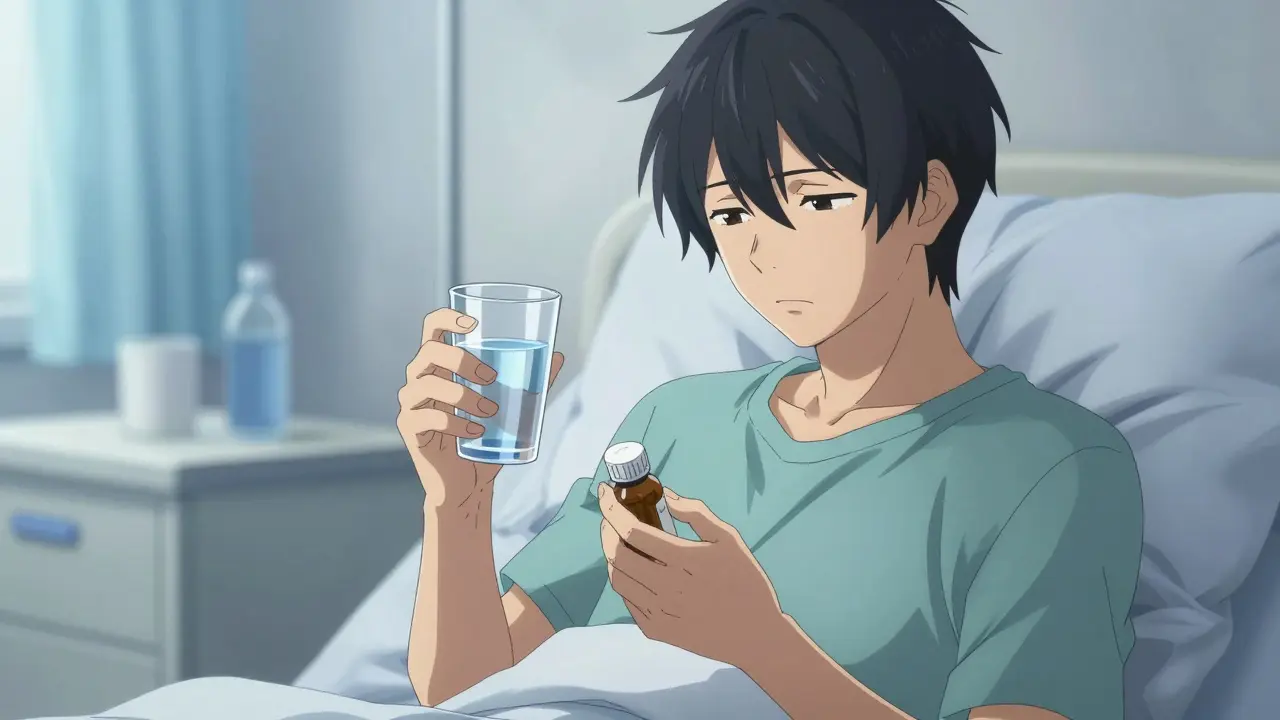
Imagine you are in the middle of a grueling chemotherapy is a type of cancer treatment that uses powerful drugs to kill fast-growing cells cycle. You feel exhausted, maybe a bit nauseous, but you are pushing through because you want to get better. Then, you reach for your daily blood pressure pill or that bottle of herbal supplements you’ve taken for years to help with sleep. That simple act could be dangerous. It might not just reduce the effectiveness of your cancer treatment; it could turn a manageable side effect into a life-threatening emergency.
This isn't scaremongering. It is reality for thousands of patients. Research shows that over half of ambulatory cancer patients experience at least one potential drug interaction is an alteration in the pharmacological effects of a drug when administered with another medication, supplement, or food. In fact, studies indicate that about 40% of cancer patients have reported potential interactions with their chemotherapy regimens. For some, these interactions lead to severe complications, including hospitalization or even death. Understanding how these medications work together is not just medical trivia-it is a critical part of staying safe during treatment.
The Hidden Mechanics: How Drugs Clash Inside Your Body
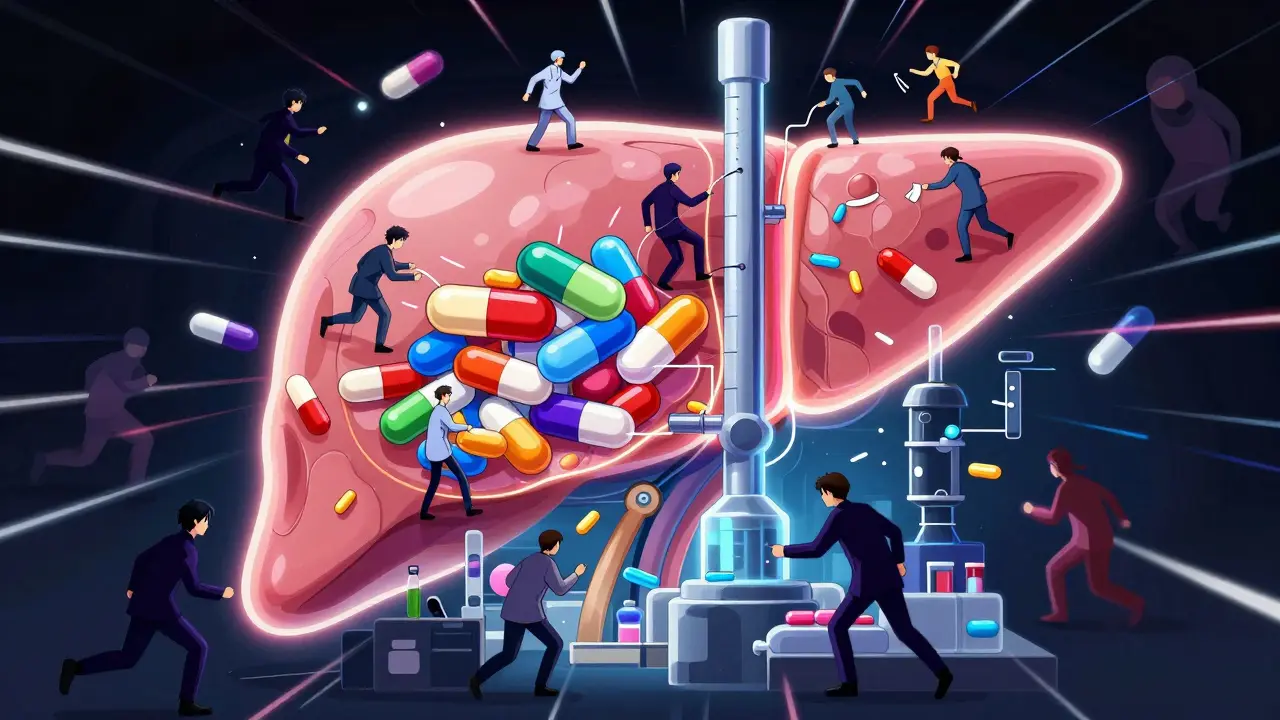
To understand why mixing certain pills is risky, we need to look under the hood of your body’s chemistry. Most chemotherapy drugs don’t just sit in your bloodstream; they go through a complex processing system. The primary engine for this is the Cytochrome P450 enzyme system is a group of enzymes primarily found in the liver that metabolize most drugs and toxins in the body. Think of these enzymes as workers on an assembly line. Their job is to break down drugs so your body can use them or eliminate them.
Here is where things get tricky. Many common medications, foods, and supplements compete for the same "workers." If you take a drug that blocks these enzymes (an inhibitor), the chemotherapy drug stays in your system longer and at higher concentrations than intended. This can lead to toxicity. On the flip side, if you take something that speeds up these enzymes (an inducer), your body might break down the chemo too quickly, rendering it ineffective against the cancer. This is known as a pharmacokinetic interaction is a change in how the body absorbs, distributes, metabolizes, or excretes a drug due to the presence of another substance.
But it’s not just about metabolism. There are also pharmacodynamic interactions is interactions where two drugs affect the same physiological process, leading to additive, synergistic, or antagonistic effects. Imagine taking two different drugs that both lower your blood platelet count. Individually, they might be fine. Together, they could cause severe bleeding risks. Or consider nephrotoxic drugs-medications that stress the kidneys. Combining two such agents can push healthy kidneys into failure. These mechanical clashes are why oncologists are so cautious about every pill you swallow.
The Grapefruit Effect and Other Dietary Dangers
You might think only prescription drugs matter, but what you eat and drink plays a massive role. The most famous offender is grapefruit. But it’s not just grapefruit; Seville oranges and pomelos are equally problematic. Why? They contain compounds called furanocoumarins. These compounds irreversibly inhibit the CYP3A4 enzyme, a major player in drug metabolism. When you eat these fruits, you essentially shut down a key exit route for many chemotherapy drugs. The result? Drug levels in your blood spike, increasing the risk of severe side effects.
It’s not just fruit. Many popular herbal supplements interact dangerously with cancer treatments. The VA Whole Health Library warns that supplements like St. John’s Wort can induce enzymes, speeding up the breakdown of drugs like imatinib, potentially making the treatment fail. Conversely, supplements like ginkgo biloba, garlic, and fish oil can increase bleeding risks, which is particularly dangerous if your chemotherapy has already lowered your platelet count. Even vitamin E and turmeric, often touted for their anti-inflammatory benefits, can interfere with clotting mechanisms. Always remember: "natural" does not mean "safe" when you are undergoing intensive medical therapy.
The New Frontier: Immunotherapy and Unpredictable Reactions
Traditional chemotherapy is bad enough, but newer treatments bring new challenges. Immune checkpoint inhibitors (ICIs) are a class of cancer immunotherapy drugs that block proteins preventing the immune system from attacking cancer cells have revolutionized cancer care by harnessing your own immune system to fight tumors. However, they introduce a unique category of risk: immunological drug-drug interactions. Unlike traditional chemo, which directly kills cells, ICIs wake up your immune system. This heightened state can make your body react violently to other medications it previously tolerated.
Recent research published in ACS Chemical Research in Toxicology highlights cases where ICIs caused severe reactions like hepatotoxicity (liver damage) or Stevens-Johnson Syndrome when combined with other drugs. The immune system, now on high alert, may perceive co-administered medications as threats. This means that even benign drugs can trigger life-threatening inflammatory responses. Managing these interactions requires a delicate balance, often involving careful timing and dosing adjustments that only a specialized oncology team can navigate.
Who Is Most at Risk?
Not everyone faces the same level of danger. Several factors significantly increase your vulnerability to drug interactions. Age is a major one. A study of 244 patients aged 70 and older found that 75% had the potential for serious drug interactions. As we age, our liver and kidney function naturally decline, meaning our bodies process drugs more slowly. Add to this the likelihood of having other chronic conditions like hypertension or diabetes, and you end up on multiple medications-a situation known as polypharmacy.
Polypharmacy is defined as taking five or more medications regularly. This is incredibly common in oncology patients. Between the cancer drugs, pain management, anti-nausea meds, and treatments for pre-existing conditions, the cocktail becomes complex. Each additional drug increases the probability of an interaction exponentially. Furthermore, genetic polymorphisms-variations in your DNA that affect how you metabolize drugs-can make some people ultra-sensitive to certain combinations while others are unaffected. This is why personalized medicine is becoming so crucial.
| Category | Specific Item | Potential Consequence | Mechanism |
|---|---|---|---|
| Foods | Grapefruit / Seville Oranges | Increased drug toxicity | Inhibits CYP3A4 enzyme |
| Supplements | St. John’s Wort | Reduced drug efficacy | Induces CYP enzymes |
| Supplements | Ginkgo Biloba / Garlic | Increased bleeding risk | Affects platelet function |
| Medications | Certain Antidepressants (SSRIs) | Altered tamoxifen metabolism | Inhibits CYP2D6 enzyme |
| Medications | NSAIDs (Ibuprofen) | Kidney damage / Bleeding | Additive nephrotoxicity |
Building Your Safety Net: Practical Steps for Patients
So, how do you protect yourself? The first step is radical transparency with your healthcare team. Too many patients hide their supplement use or over-the-counter habits out of fear of judgment or because they forget to mention them. Create a master list of everything you consume: prescriptions, OTC meds, vitamins, herbs, and even frequent dietary staples. Update this list every time you start or stop anything.
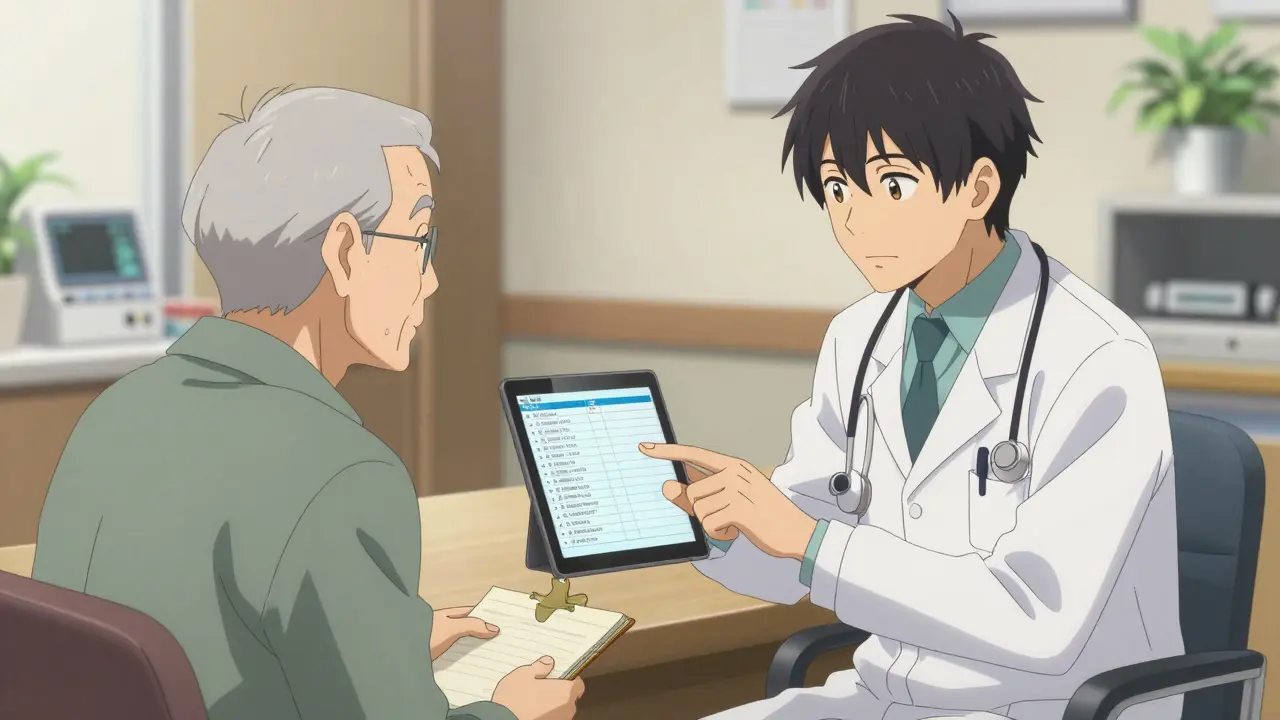
Second, leverage the expertise of your pharmacist. Pharmacists are trained specifically in drug interactions. Ask them to screen your entire regimen. Tools like Lexicomp and Micromedex are used by professionals to check for conflicts, but you need to initiate the conversation. Don’t assume your oncologist knows about that new probiotic you started taking last week. Tell them.
Third, educate yourself on the specific drugs you are taking. Ask your doctor: "What should I avoid eating?" "Can I take Tylenol for a headache?" "Are there any supplements I should stop immediately?" The NCI emphasizes that patient education should happen at each treatment cycle. Knowledge is your best defense against unexpected side effects.
The Role of Technology and Future Directions
As cancer treatment evolves, so do the tools to manage safety. We are moving toward precision medicine, where treatments are tailored to your genetic profile. This includes pharmacogenomics-the study of how genes affect a person's response to drugs. In the future, doctors may routinely test for genetic markers that predict how you will metabolize certain chemotherapies, allowing them to prescribe safer doses from the start.
Additionally, electronic health records (EHRs) are becoming smarter. Modern systems can flag potential interactions in real-time before a prescription is even written. However, technology isn't perfect. It relies on accurate data input. If you don't tell the system you're taking a supplement, the alarm won't sound. Human vigilance remains essential alongside technological aids.
Conclusion: Vigilance Saves Lives
Managing chemotherapy drug interactions is complex, but it is manageable. By understanding the mechanisms behind these clashes, recognizing high-risk substances, and maintaining open communication with your healthcare team, you can significantly reduce your risks. Remember, the goal of chemotherapy is to cure or control cancer without causing unnecessary harm. Avoiding drug interactions ensures that your treatment works as intended and keeps you as strong as possible throughout your journey. Stay informed, stay cautious, and never hesitate to ask questions.
Can I take Tylenol (acetaminophen) while on chemotherapy?
Generally, acetaminophen is considered safer than NSAIDs like ibuprofen for cancer patients because it does not increase bleeding risk or stress the kidneys as severely. However, some chemotherapy regimens can affect liver function, and since acetaminophen is processed by the liver, you must consult your oncologist first. They may recommend a specific maximum dose to ensure your liver remains healthy.
How long does the effect of grapefruit last in my system?
The enzymes inhibited by grapefruit can take up to 72 hours to recover. This means you should avoid grapefruit and related citrus fruits several days before and after taking your chemotherapy dose. Even small amounts, such as juice, can have a significant impact. When in doubt, it is best to avoid them entirely during your treatment cycles.
Are all herbal supplements unsafe during cancer treatment?
Not all, but many carry risks. Supplements are not regulated as strictly as pharmaceuticals, meaning their potency and purity can vary. Some, like St. John’s Wort, actively interfere with drug metabolism. Others, like antioxidants, might theoretically protect cancer cells from the oxidative stress caused by chemotherapy, reducing its effectiveness. Always clear any supplement with your oncology team before starting.
Why are elderly patients at higher risk for drug interactions?
Elderly patients often have reduced kidney and liver function, which slows down drug clearance. They are also more likely to suffer from multiple chronic conditions, leading to polypharmacy (taking many medications). This combination creates a perfect storm for interactions, as drugs stay in the body longer and compete for limited metabolic resources.
What should I do if I accidentally took a prohibited medication?
Contact your oncology team or pharmacist immediately. Do not wait for your next appointment. Provide them with the name of the medication, the dosage, and the time you took it. They can advise whether you need to monitor for specific symptoms or adjust your upcoming chemotherapy schedule. Early intervention can prevent serious complications.